
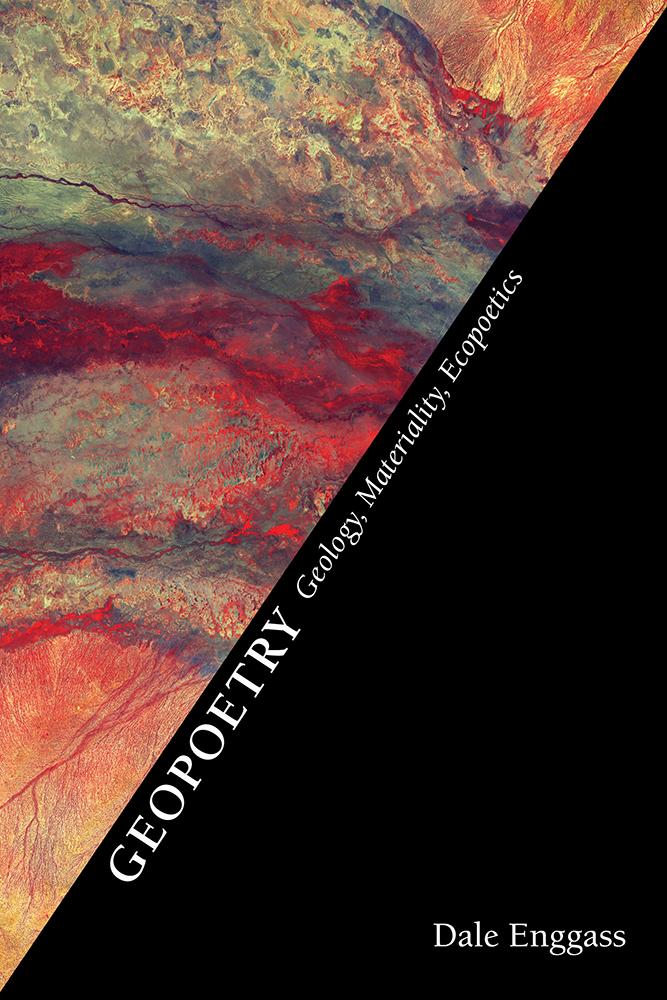
At its core, geopoetics proposes that a connection between language and geology has become a significant development in post–World War II poetics. In Geopoetry, Dale Enggass argues that certain literary works enact geologic processes, such as erosion and deposition, and thereby suggest that language itself is a geologic––and not a solely human-based––process. Elements of language extend past human control and open onto an inhuman dimension, which raises the question of how literary works approach the representation of nonhuman realms. Enggass examines the work of Clark Coolidge, Robert Smithson, Ed Dorn, Maggie O’Sullivan, Jeremy Prynne, Jen Bervin, Christian Bök, and Steve McCaffery, and he finds that while many of these authors are not traditionally connected to ecocritical writing, their innovations are central to ecocritical concerns. In treating language as a geological material, these authors interrogate the boundary between human and nonhuman realms and offer a model for a complex literary engagement with the Anthropocene.
Payez facilement par carte, Klarna, Apple Pay ou Google Pay. Pas satisfait ? Vous avez toujours une garantie de remboursement de 14 jours. En savoir plus dans nos conditions. Si vous avez des questions, envoyez-nous un e-mail à hello@memmo.org.
Memmo facilite tes études, où que tu sois dans le monde. On rassemble tes manuels de cours et des outils d'étude intelligents au même endroit : résumés, quiz, podcasts et flashcards. Et il y a Ted, ton compagnon d'étude qui répond à toutes tes questions. Plus de 50 000 étudiants étudient déjà ici – conçu pour t'aider à apprendre plus vite et à moins stresser.