
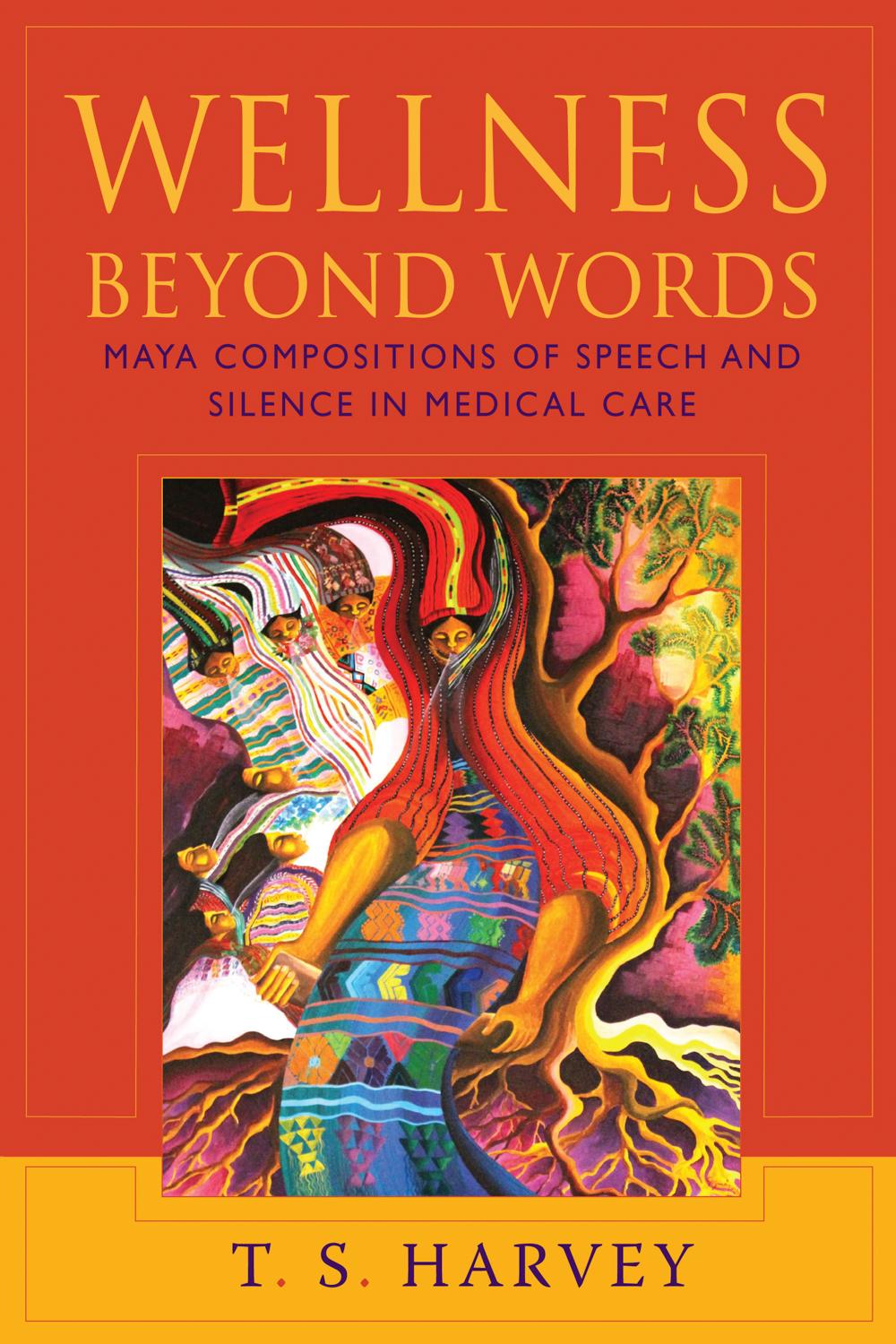
The delivery of health care can present a minefield of communication problems, particularly in cross-cultural settings where patients and health practitioners come from dissimilar cultures and speak different languages. Responding to the need for in-depth ethnographic studies in cultural and communicative competence, this anthropological account of Maya language use in health care in highland Guatemala explores some of the cultural and linguistic factors that can complicate communication in the practice of medicine. Bringing together the analytical tools of linguistic and medical anthropology, T. S. Harvey offers a rare comparative glimpse into
Maya intra-cultural therapeutic (Maya healer/Maya wellness-seeker) and cross-cultural biomedical (Ladino practitioner/Maya patient) interactions.
In Maya medical encounters, the number of participants, the plurality of their voices, and the cooperative linguistic strategies that they employ to compose illness narratives challenge conventional analytical techniques and call into question some basic assumptions about doctor-patient interactions. Harvey’s innovative approach, combining the “ethnography
of polyphony” and its complementary technique, the “polyphonic score,” reveals the complex interplay of speaking and silence during medical encounters, sociolinguistic patterns that help us avoid clinical complications connected to medical miscommunication.
Payez facilement par carte, Klarna, Apple Pay ou Google Pay. Pas satisfait ? Vous avez toujours une garantie de remboursement de 14 jours. En savoir plus dans nos conditions. Si vous avez des questions, envoyez-nous un e-mail à hello@memmo.org.
Memmo facilite tes études, où que tu sois dans le monde. On rassemble tes manuels de cours et des outils d'étude intelligents au même endroit : résumés, quiz, podcasts et flashcards. Et il y a Ted, ton compagnon d'étude qui répond à toutes tes questions. Plus de 50 000 étudiants étudient déjà ici – conçu pour t'aider à apprendre plus vite et à moins stresser.