
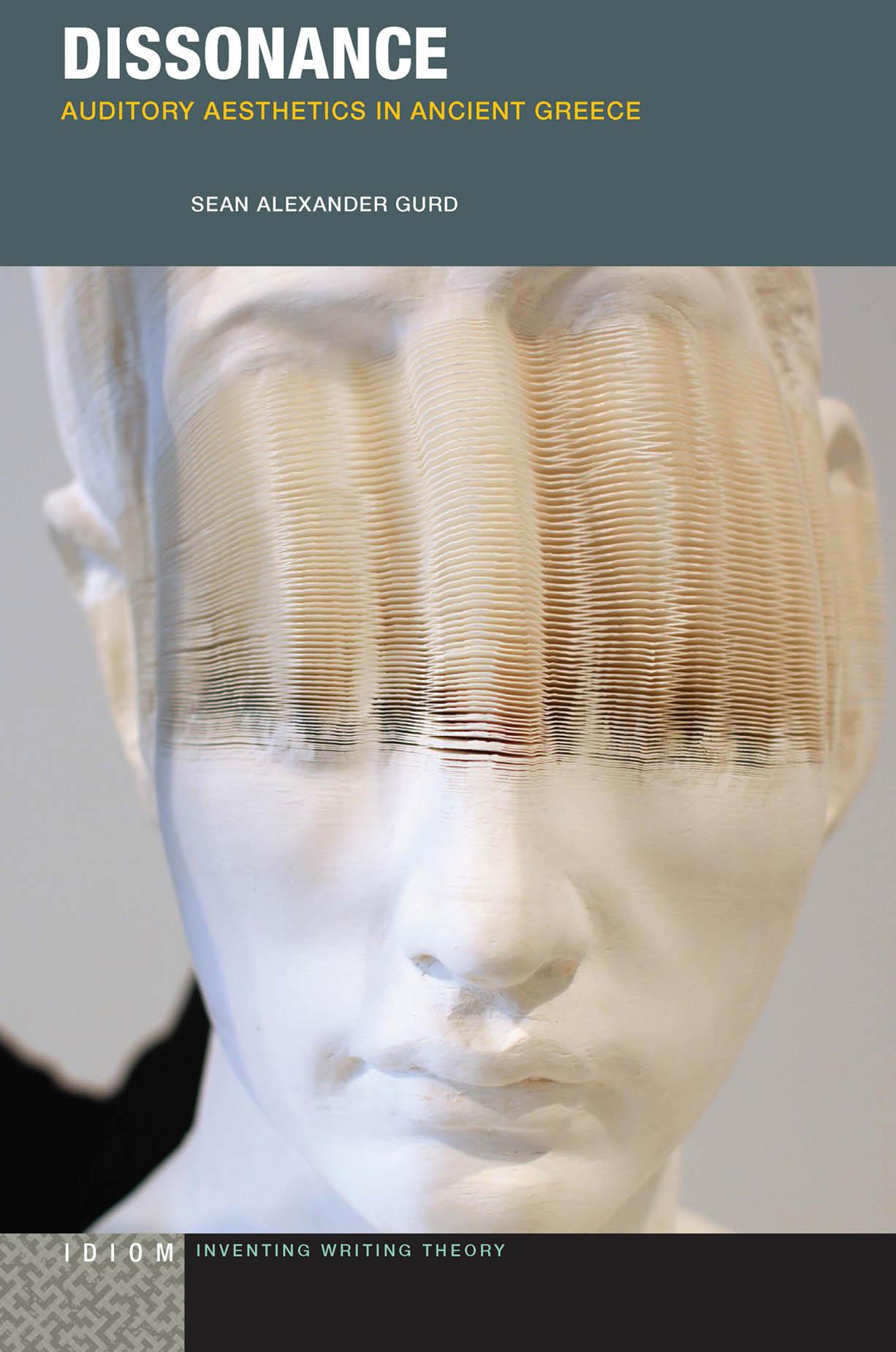
In the four centuries leading up to the death of Euripides, Greek singers, poets, and theorists delved deeply into auditory experience. They charted its capacity to develop topologies distinct from those of the other senses; contemplated its use as a communicator of information; calculated its power to express and cause extreme emotion. They made sound too, artfully and self-consciously creating songs and poems that reveled in sonorousness. Dissonance reveals the commonalities between ancient Greek auditory art and the concerns of contemporary sound studies, avant-garde music, and aesthetics, making the argument that “classical” Greek song and drama were, in fact, an early European avant-garde, a proto-exploration of the aesthetics of noise. The book thus develops an alternative to that romantic ideal which sees antiquity as a frozen and silent world.
Payez facilement par carte, Klarna, Apple Pay ou Google Pay. Pas satisfait ? Vous avez toujours une garantie de remboursement de 14 jours. En savoir plus dans nos conditions. Si vous avez des questions, envoyez-nous un e-mail à hello@memmo.org.
Memmo facilite tes études, où que tu sois dans le monde. On rassemble tes manuels de cours et des outils d'étude intelligents au même endroit : résumés, quiz, podcasts et flashcards. Et il y a Ted, ton compagnon d'étude qui répond à toutes tes questions. Plus de 50 000 étudiants étudient déjà ici – conçu pour t'aider à apprendre plus vite et à moins stresser.
Tu pourrais aussi aimer
Acheter le livre0