
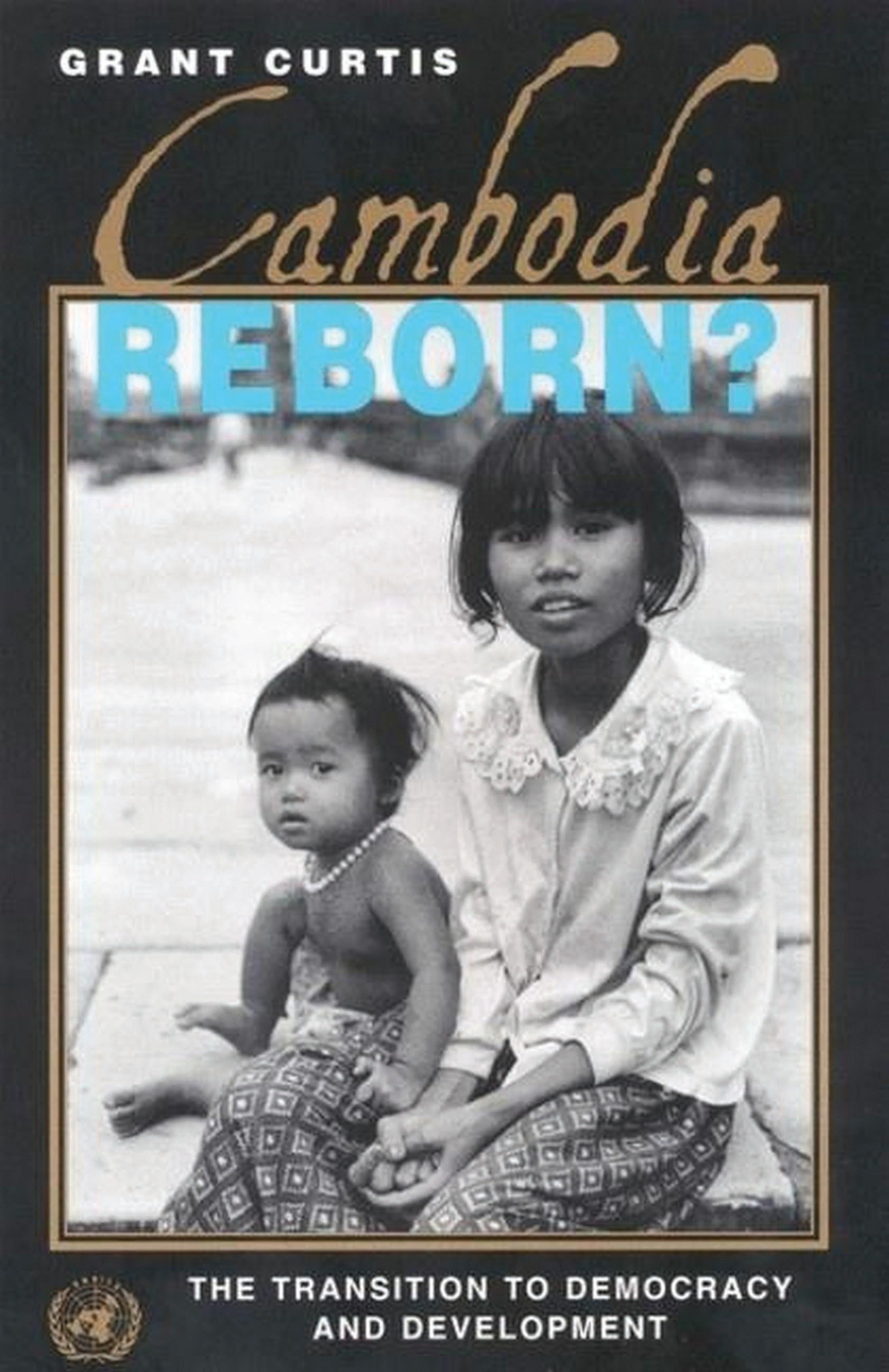
When United Nations sponsored elections were held in 1993, there were high hopes that Cambodia would finally be able to escape the nightmare of war, the killing fields, famine, and economic turmoil that its people had endured since 1970. Large amounts of international development assistance, a rapidly expanding NGO sector, and a pragmatic power-sharing arrangement between former adversaries, seemed to bode well for the future. Yet, as the country was once again preparing for elections in 1998, serious tensions and conflicts continued to undermine the transition process.
This book examines Cambodia's uneasy renaissance from years of conflict, isolation and authoritarian rule. It assesses, in particular, the efforts of the government, NGOs, and the international community to facilitate Cambodia's various transitions to peace, democracy, and a market economy, as well as the strengthening of civil society.
Copublished with the United Nations Research Institute for Social Development
This book examines Cambodia's uneasy renaissance from years of conflict, isolation and authoritarian rule. It assesses, in particular, the efforts of the government, NGOs, and the international community to facilitate Cambodia's various transitions to peace, democracy, and a market economy, as well as the strengthening of civil society.
Copublished with the United Nations Research Institute for Social Development
Payez facilement par carte, Klarna, Apple Pay ou Google Pay. Pas satisfait ? Vous avez toujours une garantie de remboursement de 14 jours. En savoir plus dans nos conditions. Si vous avez des questions, envoyez-nous un e-mail à hello@memmo.org.
Memmo facilite tes études, où que tu sois dans le monde. On rassemble tes manuels de cours et des outils d'étude intelligents au même endroit : résumés, quiz, podcasts et flashcards. Et il y a Ted, ton compagnon d'étude qui répond à toutes tes questions. Plus de 50 000 étudiants étudient déjà ici – conçu pour t'aider à apprendre plus vite et à moins stresser.