
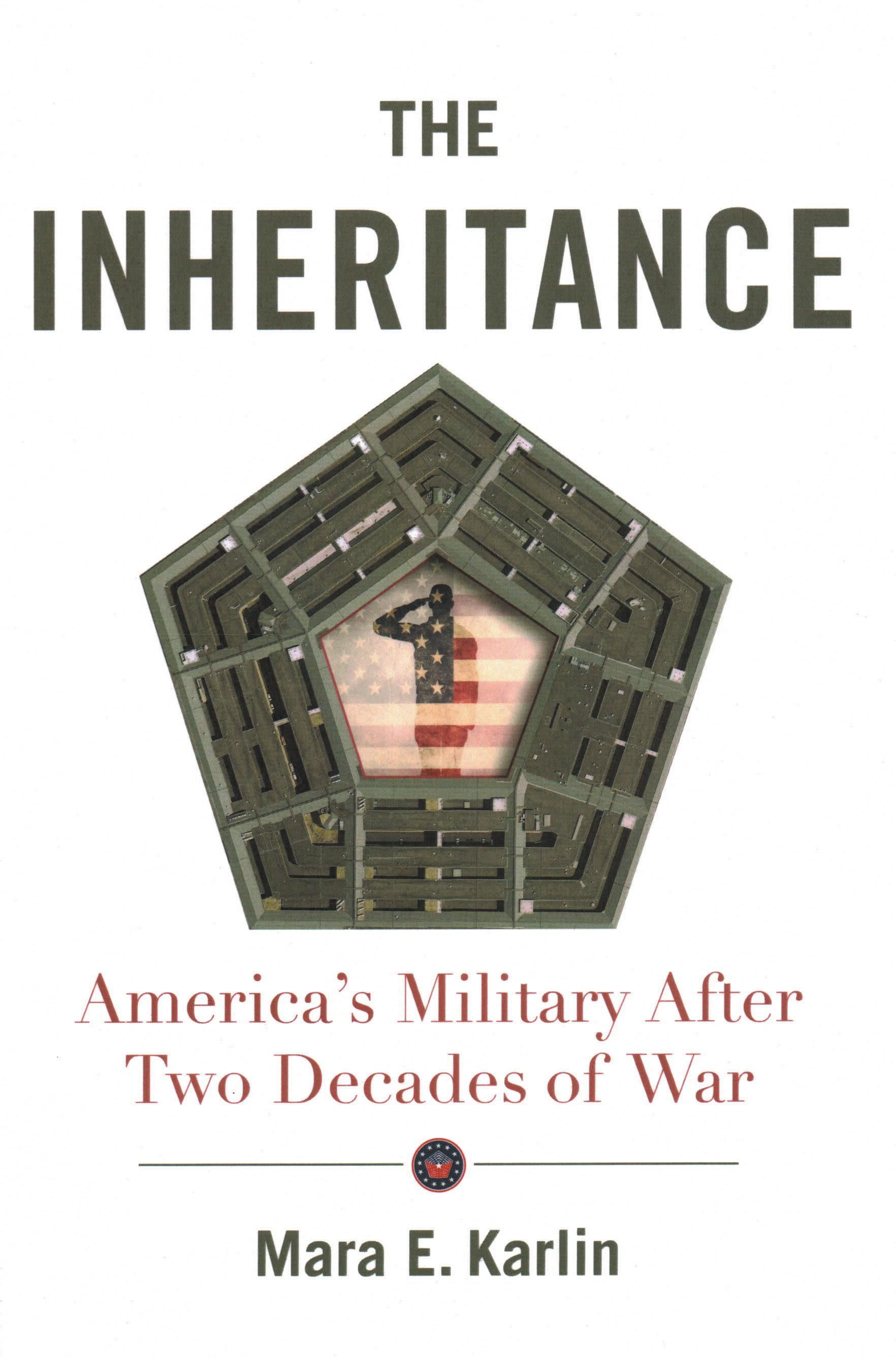
Exploring how the U.S. military can move beyond Iraq and Afghanistan
Since the September 11, 2001, attacks, the U.S. military has been fighting incessantly in conflicts around the globe, often with inconclusive results. The legacies of these conflicts have serious implications for how the United States will wage war in the future. Yet there is a stunning lack of introspection about these conflicts.
Never in modern U.S. history has the military been at war for so long. And never in U.S. history have such long wars demanded so much of so few. The legacy of wars without end include a military that feels the painful effects of war but often feels alone. The public is less connected to the military now than at any point in modern U.S. history. The national security apparatus seeks to pivot away from these engagements and to move on to the next threatsnotably those emanating from China and Russia. Many young Americans question whether it even makes sense to invest in the military. At best, there are ad hoc, unstructured debates about Iraq or Afghanistan. Simply put, there has been no serious, organized stock-taking by the public, politicians, opinion leaders, or the military itself of this inheritance.
Despite being at war for the longest continuous period in its history, the military is woefully unprepared for future wars. But the United States cannot simply hit the reset button. This book explores this inheritance by examining how nearly two decades of war have influenced civil-military relations, how the military goes to war, how the military wages war, who leads the military and who serves in it, how the military thinks about war, and above all, the enduring impact of these wars on those who waged them. If the U.S. military seeks to win in the future, it must acknowledge and reconcile with the inheritance of its long and inconclusive wars. This book seeks to help them do so.
Since the September 11, 2001, attacks, the U.S. military has been fighting incessantly in conflicts around the globe, often with inconclusive results. The legacies of these conflicts have serious implications for how the United States will wage war in the future. Yet there is a stunning lack of introspection about these conflicts.
Never in modern U.S. history has the military been at war for so long. And never in U.S. history have such long wars demanded so much of so few. The legacy of wars without end include a military that feels the painful effects of war but often feels alone. The public is less connected to the military now than at any point in modern U.S. history. The national security apparatus seeks to pivot away from these engagements and to move on to the next threatsnotably those emanating from China and Russia. Many young Americans question whether it even makes sense to invest in the military. At best, there are ad hoc, unstructured debates about Iraq or Afghanistan. Simply put, there has been no serious, organized stock-taking by the public, politicians, opinion leaders, or the military itself of this inheritance.
Despite being at war for the longest continuous period in its history, the military is woefully unprepared for future wars. But the United States cannot simply hit the reset button. This book explores this inheritance by examining how nearly two decades of war have influenced civil-military relations, how the military goes to war, how the military wages war, who leads the military and who serves in it, how the military thinks about war, and above all, the enduring impact of these wars on those who waged them. If the U.S. military seeks to win in the future, it must acknowledge and reconcile with the inheritance of its long and inconclusive wars. This book seeks to help them do so.
Pages: 320
Catégorie: Statsvetenskap & Politik
e-ISBN: 9780815738466
Poids d'expédition: 1.2 kg
Expédié sous: 1-2 jours
Payez facilement par carte, Klarna, Apple Pay ou Google Pay. Pas satisfait ? Vous avez toujours une garantie de remboursement de 14 jours. En savoir plus dans nos conditions. Si vous avez des questions, envoyez-nous un e-mail à hello@memmo.org.
Memmo facilite tes études, où que tu sois dans le monde. On rassemble tes manuels de cours et des outils d'étude intelligents au même endroit : résumés, quiz, podcasts et flashcards. Et il y a Ted, ton compagnon d'étude qui répond à toutes tes questions. Plus de 50 000 étudiants étudient déjà ici – conçu pour t'aider à apprendre plus vite et à moins stresser.