
Exploring how intelligence professionals view accountability in the context of twenty-first century politics
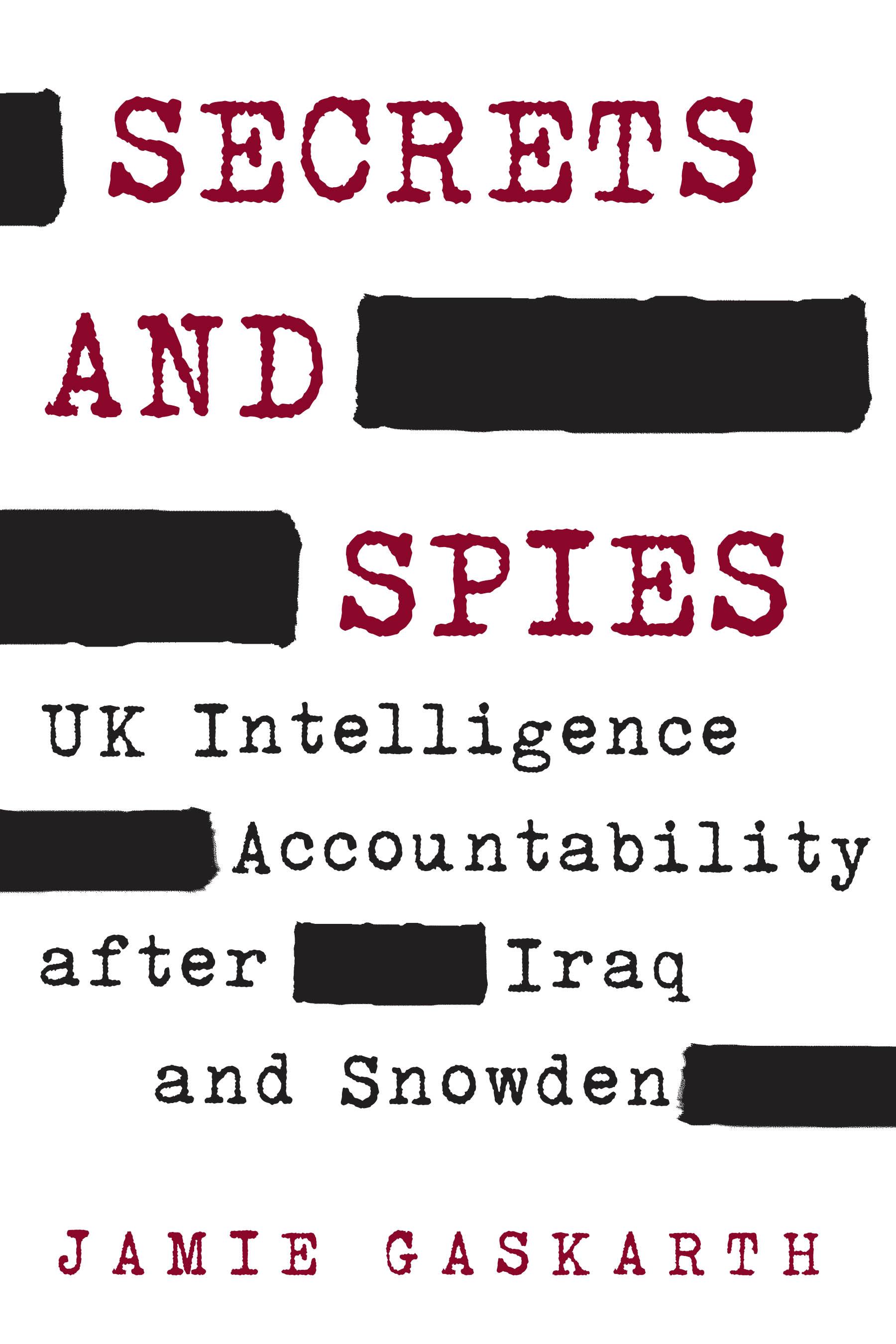
How can democratic governments hold intelligence and security agencies accountable when what they do is largely secret? Using the UK as a case study, this book addresses this question by providing the first systematic exploration of how accountability is understood inside the secret world. It is based on new interviews with current and former UK intelligence practitioners, as well as extensive research into the performance and scrutiny of the UK intelligence machinery. The result is the first detailed analysis of how intelligence professionals view their role, what they feel keeps them honest, and how far external overseers impact on their work
Moving beyond the conventional focus on oversight, the book examines how accountability works in the day to day lives of these organizations, and considers the impact of technological and social changes, such as artificial intelligence and social media.
The UK is a useful case study as it is an important actor in global intelligence, gathering material that helps inform global decisions on such issues as nuclear proliferation, terrorism, transnational crime, and breaches of international humanitarian law. On the flip side, the UK was a major contributor to the intelligence failures leading to the Iraq war in 2003, and its agencies were complicit in the widely discredited U.S. practices of torture and rendition of terrorism suspects. UK agencies have come under greater scrutiny since those actions, but it is clear that problems remain. The book concludes with a series of suggestions for improvement, including the creation of intelligence ethics committees, allowing the public more input into intelligence decisions.
The issues explored in this book have important implications for researchers, intelligence professionals, overseers, and the public when it comes to understanding and scrutinizing intelligence practice.
How can democratic governments hold intelligence and security agencies accountable when what they do is largely secret? Using the UK as a case study, this book addresses this question by providing the first systematic exploration of how accountability is understood inside the secret world. It is based on new interviews with current and former UK intelligence practitioners, as well as extensive research into the performance and scrutiny of the UK intelligence machinery. The result is the first detailed analysis of how intelligence professionals view their role, what they feel keeps them honest, and how far external overseers impact on their work
Moving beyond the conventional focus on oversight, the book examines how accountability works in the day to day lives of these organizations, and considers the impact of technological and social changes, such as artificial intelligence and social media.
The UK is a useful case study as it is an important actor in global intelligence, gathering material that helps inform global decisions on such issues as nuclear proliferation, terrorism, transnational crime, and breaches of international humanitarian law. On the flip side, the UK was a major contributor to the intelligence failures leading to the Iraq war in 2003, and its agencies were complicit in the widely discredited U.S. practices of torture and rendition of terrorism suspects. UK agencies have come under greater scrutiny since those actions, but it is clear that problems remain. The book concludes with a series of suggestions for improvement, including the creation of intelligence ethics committees, allowing the public more input into intelligence decisions.
The issues explored in this book have important implications for researchers, intelligence professionals, overseers, and the public when it comes to understanding and scrutinizing intelligence practice.
Payez facilement par carte, Klarna, Apple Pay ou Google Pay. Pas satisfait ? Vous avez toujours une garantie de remboursement de 14 jours. En savoir plus dans nos conditions. Si vous avez des questions, envoyez-nous un e-mail à hello@memmo.org.
Memmo facilite tes études, où que tu sois dans le monde. On rassemble tes manuels de cours et des outils d'étude intelligents au même endroit : résumés, quiz, podcasts et flashcards. Et il y a Ted, ton compagnon d'étude qui répond à toutes tes questions. Plus de 50 000 étudiants étudient déjà ici – conçu pour t'aider à apprendre plus vite et à moins stresser.