
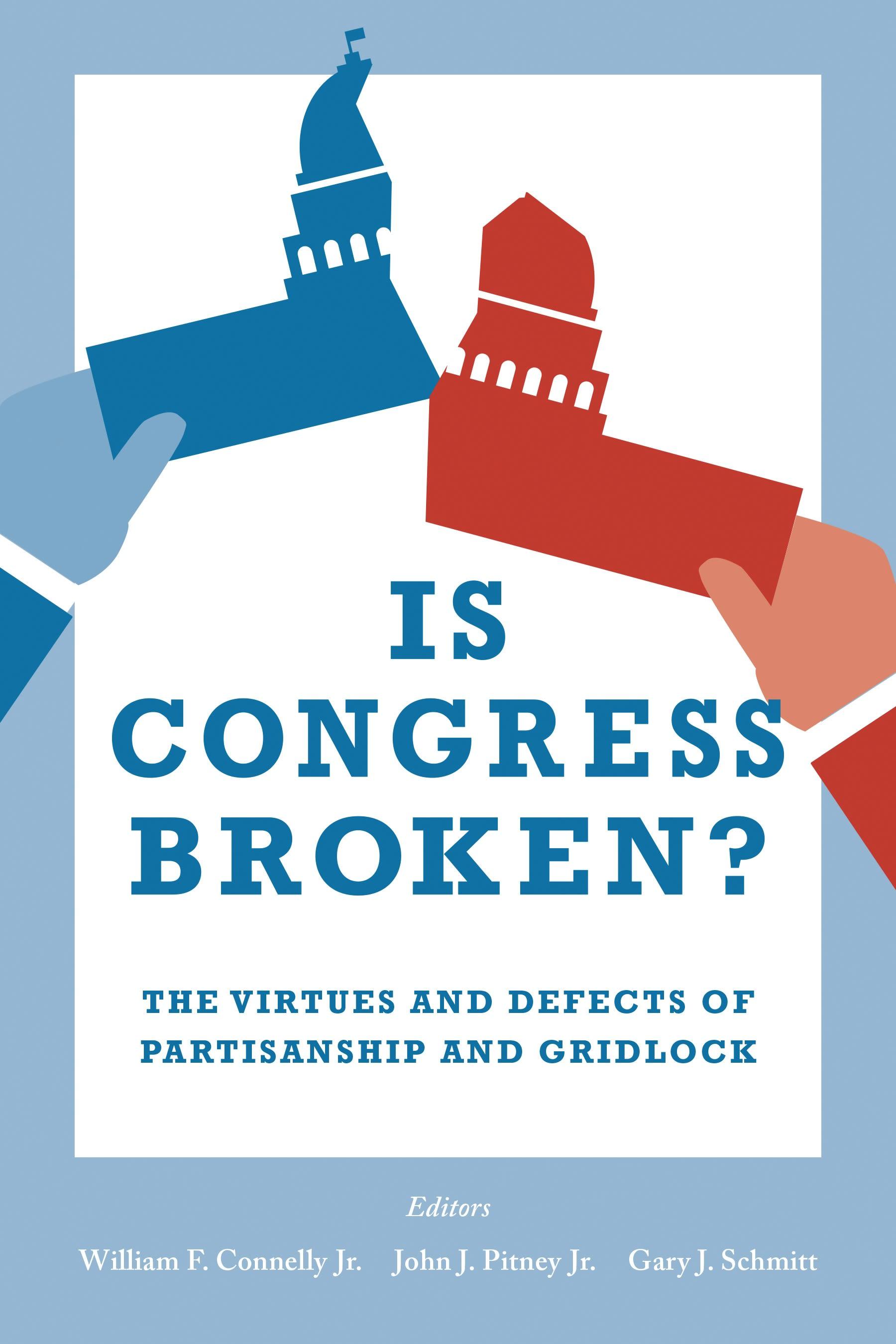
Making Congress Work, Again, Within the Constitutional System
Congress for many years has ranked low in public esteemjoining journalists, bankers, and union leaders at the bottom of polls. And in recent years there's been good reason for the public disregard, with the rise of hyper-partisanship and the increasing inability of Congress to carry out its required duties, such as passing spending bills on time and conducting responsible oversight of the executive branch.
Congress seems so dysfunctional that many observers have all but thrown up their hands in despair, suggesting that an apparently broken U.S. political system might need to be replaced.
Now, some of the country's foremost experts on Congress are reminding us that tough hyper-partisan conflict always has been a hallmark of the constitutional system. Going back to the nation's early decades, Congress has experienced periods of division and turmoil. But even in those periods Congress has been able to engage in serious deliberation, prevent ill-considered proposals from becoming lawand, over time, help develop a deeper, more lasting national consensus.
The ten chapters in this volume focus on how Congress in the twenty-first century can once again fulfill its proper functions of representation, deliberation, legislation, and oversight. The authors offer a series of practical reforms that would maintain, rather than replace, the constitutional separation of powers that has served the nation well for more than 200 years.
Congress for many years has ranked low in public esteemjoining journalists, bankers, and union leaders at the bottom of polls. And in recent years there's been good reason for the public disregard, with the rise of hyper-partisanship and the increasing inability of Congress to carry out its required duties, such as passing spending bills on time and conducting responsible oversight of the executive branch.
Congress seems so dysfunctional that many observers have all but thrown up their hands in despair, suggesting that an apparently broken U.S. political system might need to be replaced.
Now, some of the country's foremost experts on Congress are reminding us that tough hyper-partisan conflict always has been a hallmark of the constitutional system. Going back to the nation's early decades, Congress has experienced periods of division and turmoil. But even in those periods Congress has been able to engage in serious deliberation, prevent ill-considered proposals from becoming lawand, over time, help develop a deeper, more lasting national consensus.
The ten chapters in this volume focus on how Congress in the twenty-first century can once again fulfill its proper functions of representation, deliberation, legislation, and oversight. The authors offer a series of practical reforms that would maintain, rather than replace, the constitutional separation of powers that has served the nation well for more than 200 years.
Pages: 272
Catégorie: Statsvetenskap & Politik
e-ISBN: 9780815730378
Poids d'expédition: 1.2 kg
Expédié sous: 1-2 jours
Payez facilement par carte, Klarna, Apple Pay ou Google Pay. Pas satisfait ? Vous avez toujours une garantie de remboursement de 14 jours. En savoir plus dans nos conditions. Si vous avez des questions, envoyez-nous un e-mail à hello@memmo.org.
Memmo facilite tes études, où que tu sois dans le monde. On rassemble tes manuels de cours et des outils d'étude intelligents au même endroit : résumés, quiz, podcasts et flashcards. Et il y a Ted, ton compagnon d'étude qui répond à toutes tes questions. Plus de 50 000 étudiants étudient déjà ici – conçu pour t'aider à apprendre plus vite et à moins stresser.