
How private groups increasingly set public policy and regulate liveswith little public knowledge or attention.
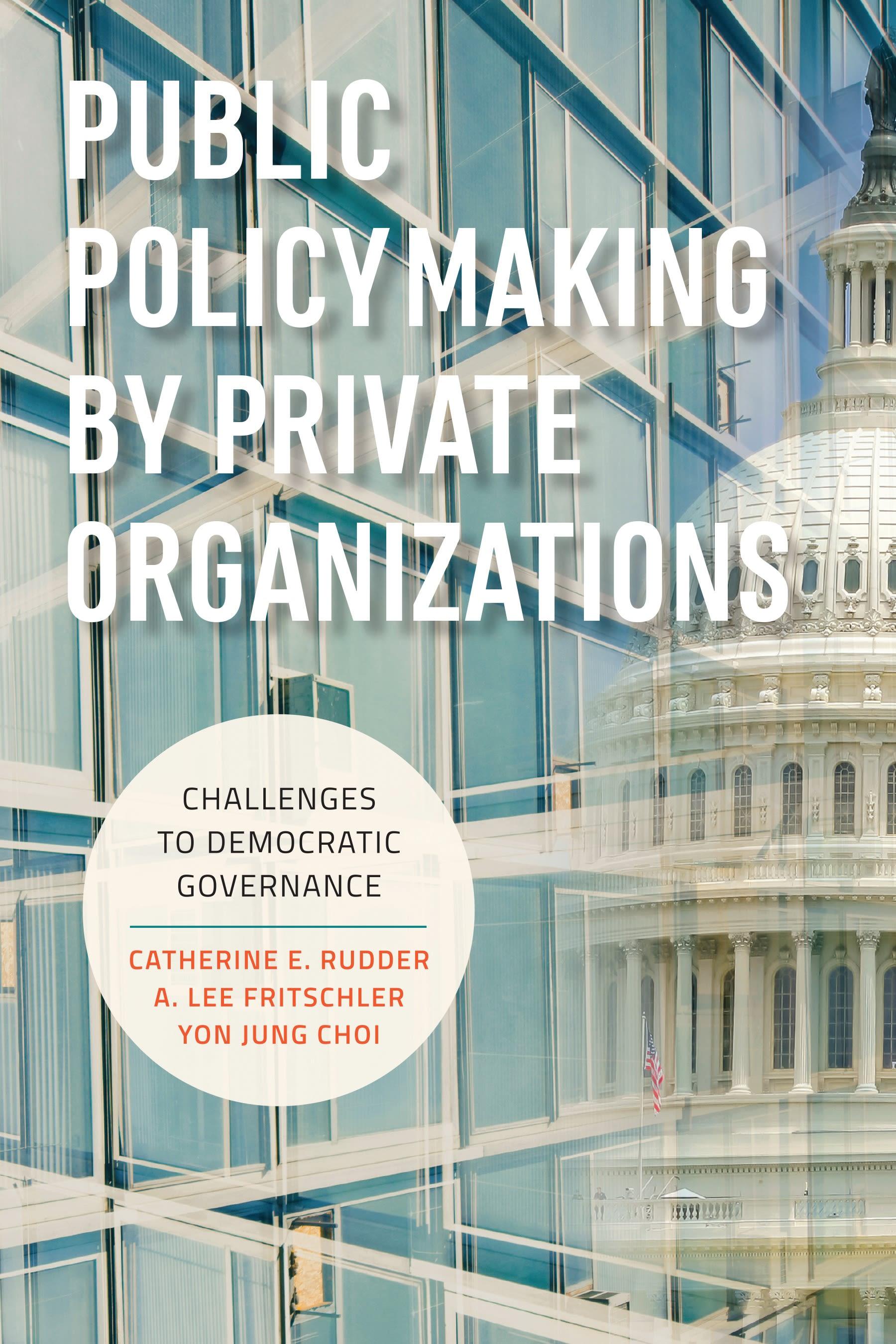
From accrediting doctors and lawyers to setting industry and professional standards, private groups establish many of the public policies in today’s advanced societies. Yet this important role of nongovernmental groups is largely ignored by those who study, teach, or report on public policy issues. Public Policymaking by Private Organizations sheds light on policymaking by private groups, which are not accountable to the general public or, often, even to governments.
This book brings to life the hidden world of policymaking by providing an overview of this phenomenon and in-depth case studies in the areas of finance, food safety, and certain professions. Far from being merely self regulation or self-governance, policymaking by private groups, for good or ill, can have a substantial impact on the broader publicfrom ensuring the safety of our home electrical appliances to vetting the credit-worthiness of complex financial instruments in the run-up to the 2008 financial crisis.
From nonprofit associations to multinational corporations, private policymaking groups are everywhere. They certify professionals as competent, establish industry regulations, and set technical and professional standards. But because their operations lack the transparency and accountability required of governmental bodies, these organizations comprise a policymaking territory that is largely unseen, unreported, uncharted, and not easily reconciled with democratic principles. Anyone concerned about how policies are madeand who makes themshould read this book.
From accrediting doctors and lawyers to setting industry and professional standards, private groups establish many of the public policies in today’s advanced societies. Yet this important role of nongovernmental groups is largely ignored by those who study, teach, or report on public policy issues. Public Policymaking by Private Organizations sheds light on policymaking by private groups, which are not accountable to the general public or, often, even to governments.
This book brings to life the hidden world of policymaking by providing an overview of this phenomenon and in-depth case studies in the areas of finance, food safety, and certain professions. Far from being merely self regulation or self-governance, policymaking by private groups, for good or ill, can have a substantial impact on the broader publicfrom ensuring the safety of our home electrical appliances to vetting the credit-worthiness of complex financial instruments in the run-up to the 2008 financial crisis.
From nonprofit associations to multinational corporations, private policymaking groups are everywhere. They certify professionals as competent, establish industry regulations, and set technical and professional standards. But because their operations lack the transparency and accountability required of governmental bodies, these organizations comprise a policymaking territory that is largely unseen, unreported, uncharted, and not easily reconciled with democratic principles. Anyone concerned about how policies are madeand who makes themshould read this book.
Pages: 224
Catégorie: Statsvetenskap & Politik
e-ISBN: 9780815728993
Poids d'expédition: 1.2 kg
Expédié sous: 1-2 jours
Payez facilement par carte, Klarna, Apple Pay ou Google Pay. Pas satisfait ? Vous avez toujours une garantie de remboursement de 14 jours. En savoir plus dans nos conditions. Si vous avez des questions, envoyez-nous un e-mail à hello@memmo.org.
Memmo facilite tes études, où que tu sois dans le monde. On rassemble tes manuels de cours et des outils d'étude intelligents au même endroit : résumés, quiz, podcasts et flashcards. Et il y a Ted, ton compagnon d'étude qui répond à toutes tes questions. Plus de 50 000 étudiants étudient déjà ici – conçu pour t'aider à apprendre plus vite et à moins stresser.