
Since 2008, energy and food marketsthose most fundamental to human existencehave remained in turmoil. Resource scarcity has had a much bigger global impact in recent years than has been predicted, with ongoing volatility a sign that the world is only part-way through navigating a treacherous transition in the way it uses resources. Scarcity, and perceptions of scarcity, increase political risks, while geopolitical turmoil exacerbates shortages and complicates the search for solutions.
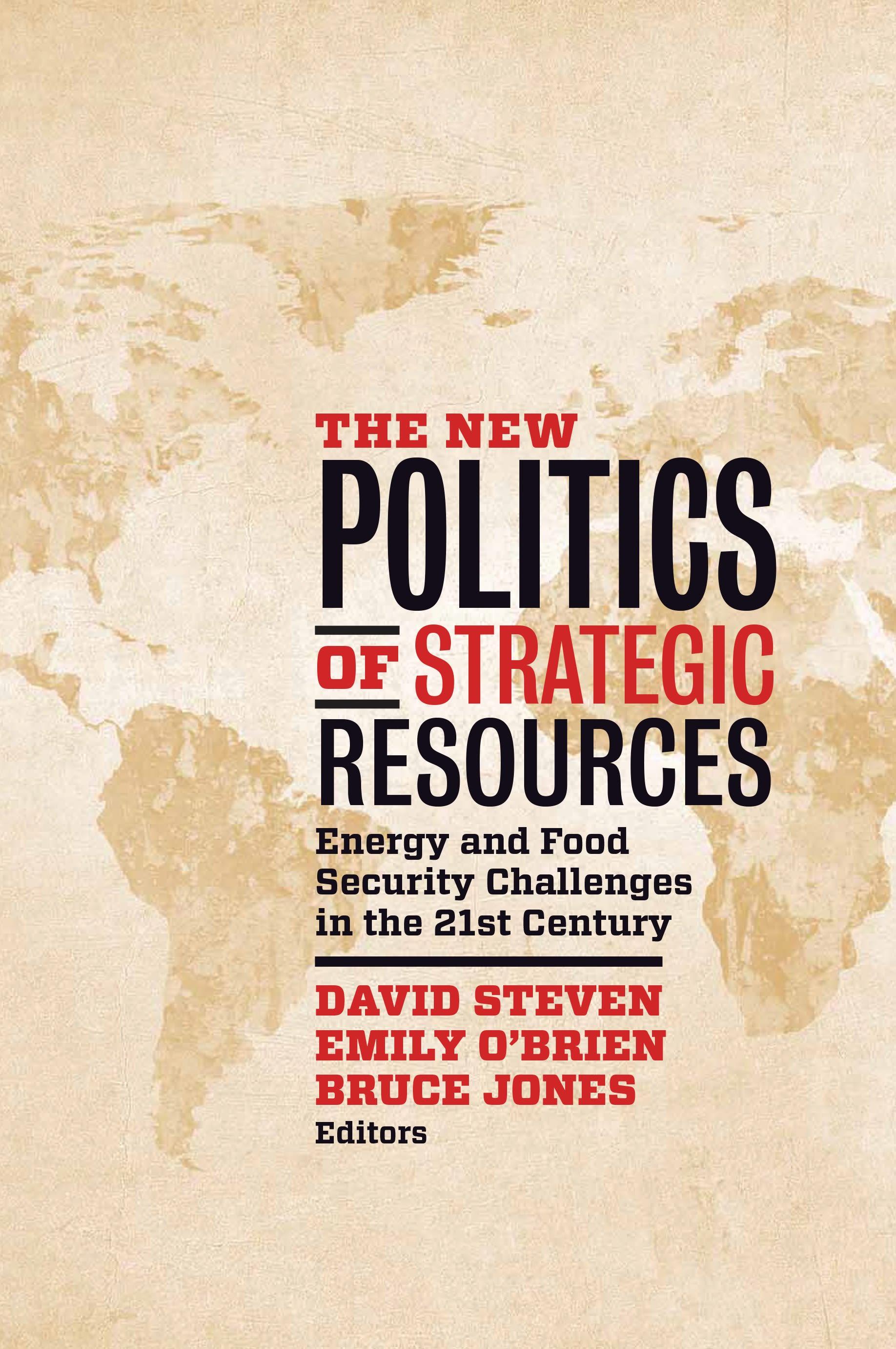
The New Politics of Strategic Resources examines the political dimensions of strategic resource challenges at the domestic and international levels. For better or worse, energy and food markets are shaped by perceptions of national interest and do not behave as traditional market goods. So while markets are an essential part of any response to tighter resource supplies, governments also will play a key role. David Steven, Emily O'Brien, Bruce Jones, and their colleagues discuss what those roles are and what they should be.
The architecture for coordinating multilateral responses to these dynamics has fallen short, raising questions about the effective international management of these issues. Politics impede here too, as the major powers must negotiate political and security trade-offs to cooperate on the design of more robust international regimes and mechanisms for resource security and the provision of global public goods.
This timely volume includes chapters on major powers (United States, India, China) and key suppliers (Russia, Saudi Arabia). The contributors also address thematic topics, such as the interaction between oil and state fragility; the changing political dynamics of climate change; and the politics of resource subsidies.
The New Politics of Strategic Resources examines the political dimensions of strategic resource challenges at the domestic and international levels. For better or worse, energy and food markets are shaped by perceptions of national interest and do not behave as traditional market goods. So while markets are an essential part of any response to tighter resource supplies, governments also will play a key role. David Steven, Emily O'Brien, Bruce Jones, and their colleagues discuss what those roles are and what they should be.
The architecture for coordinating multilateral responses to these dynamics has fallen short, raising questions about the effective international management of these issues. Politics impede here too, as the major powers must negotiate political and security trade-offs to cooperate on the design of more robust international regimes and mechanisms for resource security and the provision of global public goods.
This timely volume includes chapters on major powers (United States, India, China) and key suppliers (Russia, Saudi Arabia). The contributors also address thematic topics, such as the interaction between oil and state fragility; the changing political dynamics of climate change; and the politics of resource subsidies.
Pages: 365
Catégorie: Statsvetenskap & Politik
e-ISBN: 9780815725343
Poids d'expédition: 1.2 kg
Expédié sous: 1-2 jours
Payez facilement par carte, Klarna, Apple Pay ou Google Pay. Pas satisfait ? Vous avez toujours une garantie de remboursement de 14 jours. En savoir plus dans nos conditions. Si vous avez des questions, envoyez-nous un e-mail à hello@memmo.org.
Memmo facilite tes études, où que tu sois dans le monde. On rassemble tes manuels de cours et des outils d'étude intelligents au même endroit : résumés, quiz, podcasts et flashcards. Et il y a Ted, ton compagnon d'étude qui répond à toutes tes questions. Plus de 50 000 étudiants étudient déjà ici – conçu pour t'aider à apprendre plus vite et à moins stresser.