
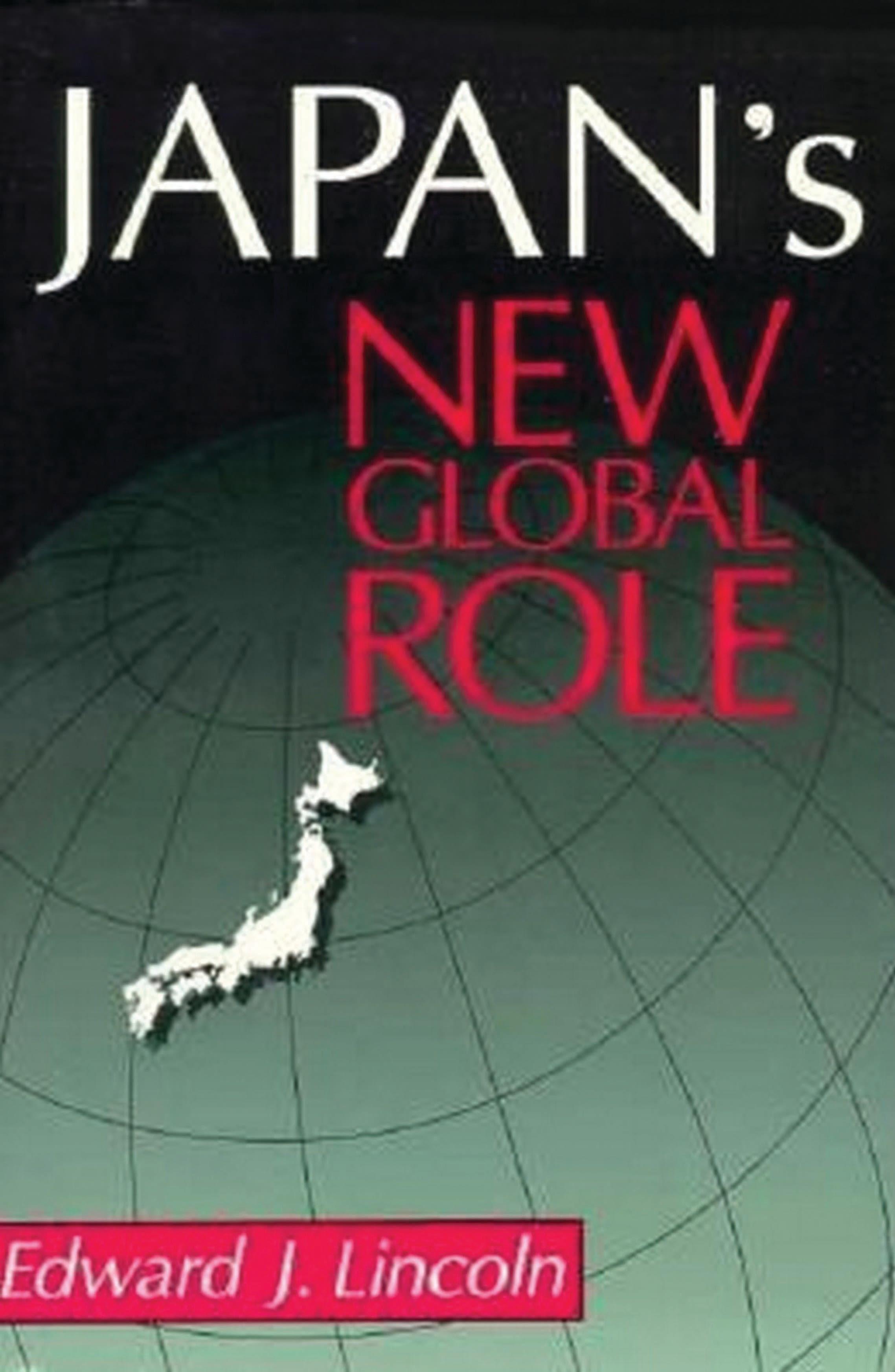
Since 1980, Japan's international economic position has undergone a historic transformation that is now having significant consequences for Japan, the United States, Europe, and other countries around the world. In this book, Edward J. Lincoln analyzes the major economic changes that occurred in Japan during the 1980s, including macroeconomic shifts, financial deregulation, yen appreciation, rising labor costs brought on by long-term demographic changes, and technological success.
Since 1945, the Japanese have shied away from active involvement in most of the complications and problems of the international community. Now, however, a surge in outward foreign investment, particularly direct investment, has involved the nation, more intimately with the outside world than in the past. As a result, Japan has had to cope with some difficult new questions: how to participate meaningfully in the work of the major multilateral economic institutions and the United Nations, how to expand or change the country's foreign aid program, how to take part in the intentional debate on environmental policy, and how deeply to become involved in solving the world's political problems.
Lincoln asserts that overcoming the string of insularity and passivism for the years since 1945 will not be easy. He proposes several specific policies that would lead Japan toward a more productive international engagement and suggests that these changes will also serve the objectives of American foreign policy.
The 1993 elections and the new coalition government in Japan offer a greater possibility of domestic change; the mood of the nation has shifted away from continued acceptance of the policies of the past. There is now a greater opportunity for the American government to engage in a productive dialogue that can encourage Japan toward a more open and active global role.
Since 1945, the Japanese have shied away from active involvement in most of the complications and problems of the international community. Now, however, a surge in outward foreign investment, particularly direct investment, has involved the nation, more intimately with the outside world than in the past. As a result, Japan has had to cope with some difficult new questions: how to participate meaningfully in the work of the major multilateral economic institutions and the United Nations, how to expand or change the country's foreign aid program, how to take part in the intentional debate on environmental policy, and how deeply to become involved in solving the world's political problems.
Lincoln asserts that overcoming the string of insularity and passivism for the years since 1945 will not be easy. He proposes several specific policies that would lead Japan toward a more productive international engagement and suggests that these changes will also serve the objectives of American foreign policy.
The 1993 elections and the new coalition government in Japan offer a greater possibility of domestic change; the mood of the nation has shifted away from continued acceptance of the policies of the past. There is now a greater opportunity for the American government to engage in a productive dialogue that can encourage Japan toward a more open and active global role.
Pages: 332
Catégorie: Statsvetenskap & Politik
e-ISBN: 9780815716396
Poids d'expédition: 1.2 kg
Expédié sous: 1-2 jours
Payez facilement par carte, Klarna, Apple Pay ou Google Pay. Pas satisfait ? Vous avez toujours une garantie de remboursement de 14 jours. En savoir plus dans nos conditions. Si vous avez des questions, envoyez-nous un e-mail à hello@memmo.org.
Memmo facilite tes études, où que tu sois dans le monde. On rassemble tes manuels de cours et des outils d'étude intelligents au même endroit : résumés, quiz, podcasts et flashcards. Et il y a Ted, ton compagnon d'étude qui répond à toutes tes questions. Plus de 50 000 étudiants étudient déjà ici – conçu pour t'aider à apprendre plus vite et à moins stresser.