
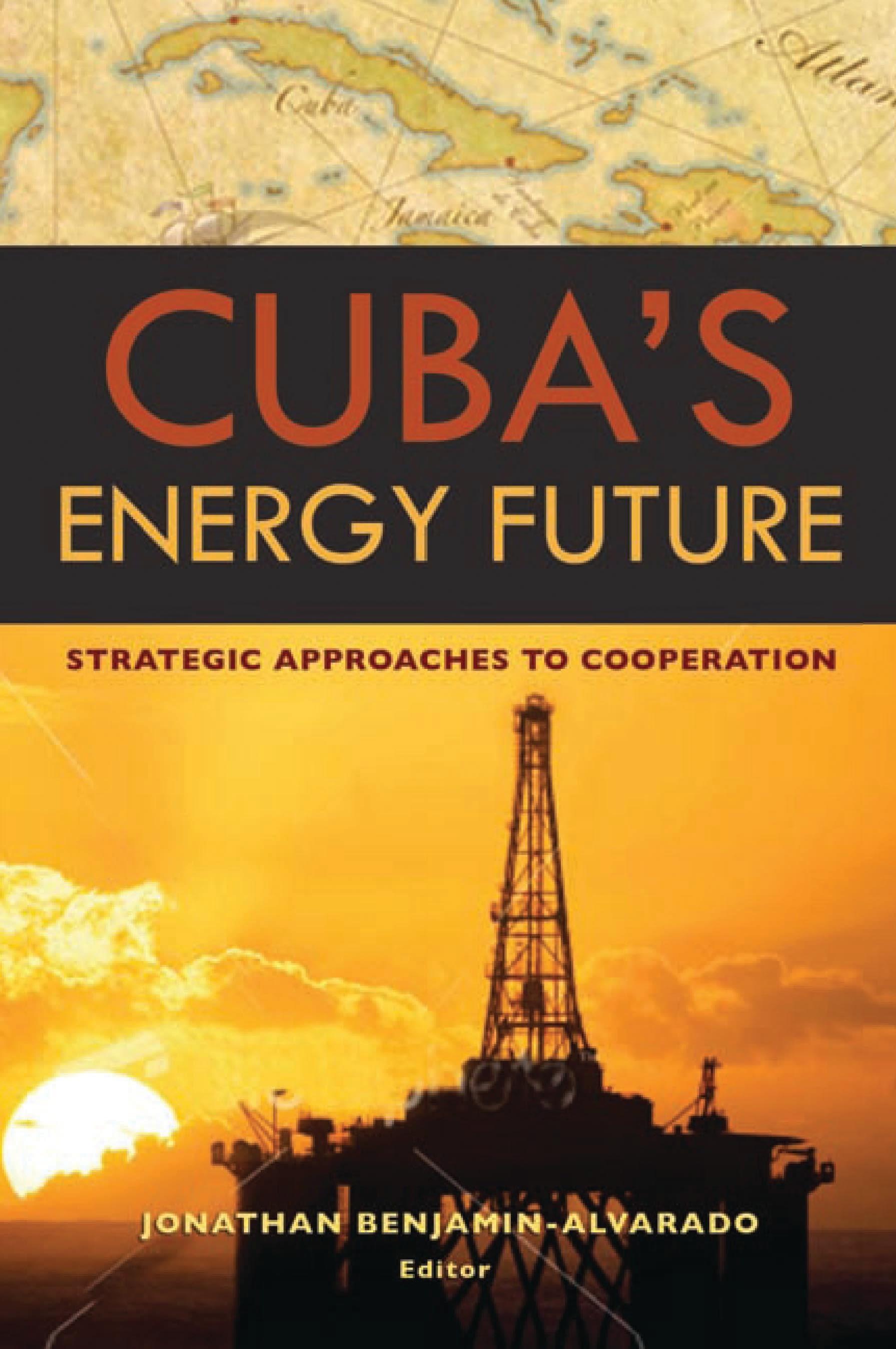
Approaching an uncertain future without Fidel Castro, and still reeling from a downturn at the end of the cold war, Cuba must act decisively to improve its economy and living conditions. One of the major challenges facing the impoverished island nation is securing access to energy resources that are sufficient to meet the needs of its revitalization and development goals. What steps can Cuba take to achieve both short- and long-term energy sustainability and self-sufficiency? In this timely analysis, Jonathan Benjamin-Alvarado and his colleagues answer that question.
Cuba's Energy Future sets the geostrategic context within which Cuba is operating. The book provides an overview of the evolving relations among Caribbean states and explains why Cuba and its longtime nemesis the United States should look for ways to cooperate on developing energy resources. The possible role of oil companies is explored, as is Cuba's energy relationship with Hugo Chavez's Venezuela.
The second section of Cuba's Energy Future features economic and technical appraisals, economic projections, and trends affecting Cuba's energy needs, including oil and natural gas potential, the country's antiquated electric power sector, and the role of biofuels such as sugarcane ethanol. The concluding section focuses on the conditions necessary for, and the mutual benefits of, greater cooperative engagement with the United States.
Contributors: Juan A. B. Belt (Chemonics International, formerly USAID), Jonathan Benjamin-Alvarado (University of NebraskaOmaha and University of Georgia), Amy Myers Jaffe (Rice University), Jorge R. Piñón (Florida International University), Ronald Soligo (Rice University).
Cuba's Energy Future sets the geostrategic context within which Cuba is operating. The book provides an overview of the evolving relations among Caribbean states and explains why Cuba and its longtime nemesis the United States should look for ways to cooperate on developing energy resources. The possible role of oil companies is explored, as is Cuba's energy relationship with Hugo Chavez's Venezuela.
The second section of Cuba's Energy Future features economic and technical appraisals, economic projections, and trends affecting Cuba's energy needs, including oil and natural gas potential, the country's antiquated electric power sector, and the role of biofuels such as sugarcane ethanol. The concluding section focuses on the conditions necessary for, and the mutual benefits of, greater cooperative engagement with the United States.
Contributors: Juan A. B. Belt (Chemonics International, formerly USAID), Jonathan Benjamin-Alvarado (University of NebraskaOmaha and University of Georgia), Amy Myers Jaffe (Rice University), Jorge R. Piñón (Florida International University), Ronald Soligo (Rice University).
Pages: 143
Catégorie: Statsvetenskap & Politik
e-ISBN: 9780815704591
Poids d'expédition: 1.2 kg
Expédié sous: 1-2 jours
Payez facilement par carte, Klarna, Apple Pay ou Google Pay. Pas satisfait ? Vous avez toujours une garantie de remboursement de 14 jours. En savoir plus dans nos conditions. Si vous avez des questions, envoyez-nous un e-mail à hello@memmo.org.
Memmo facilite tes études, où que tu sois dans le monde. On rassemble tes manuels de cours et des outils d'étude intelligents au même endroit : résumés, quiz, podcasts et flashcards. Et il y a Ted, ton compagnon d'étude qui répond à toutes tes questions. Plus de 50 000 étudiants étudient déjà ici – conçu pour t'aider à apprendre plus vite et à moins stresser.