
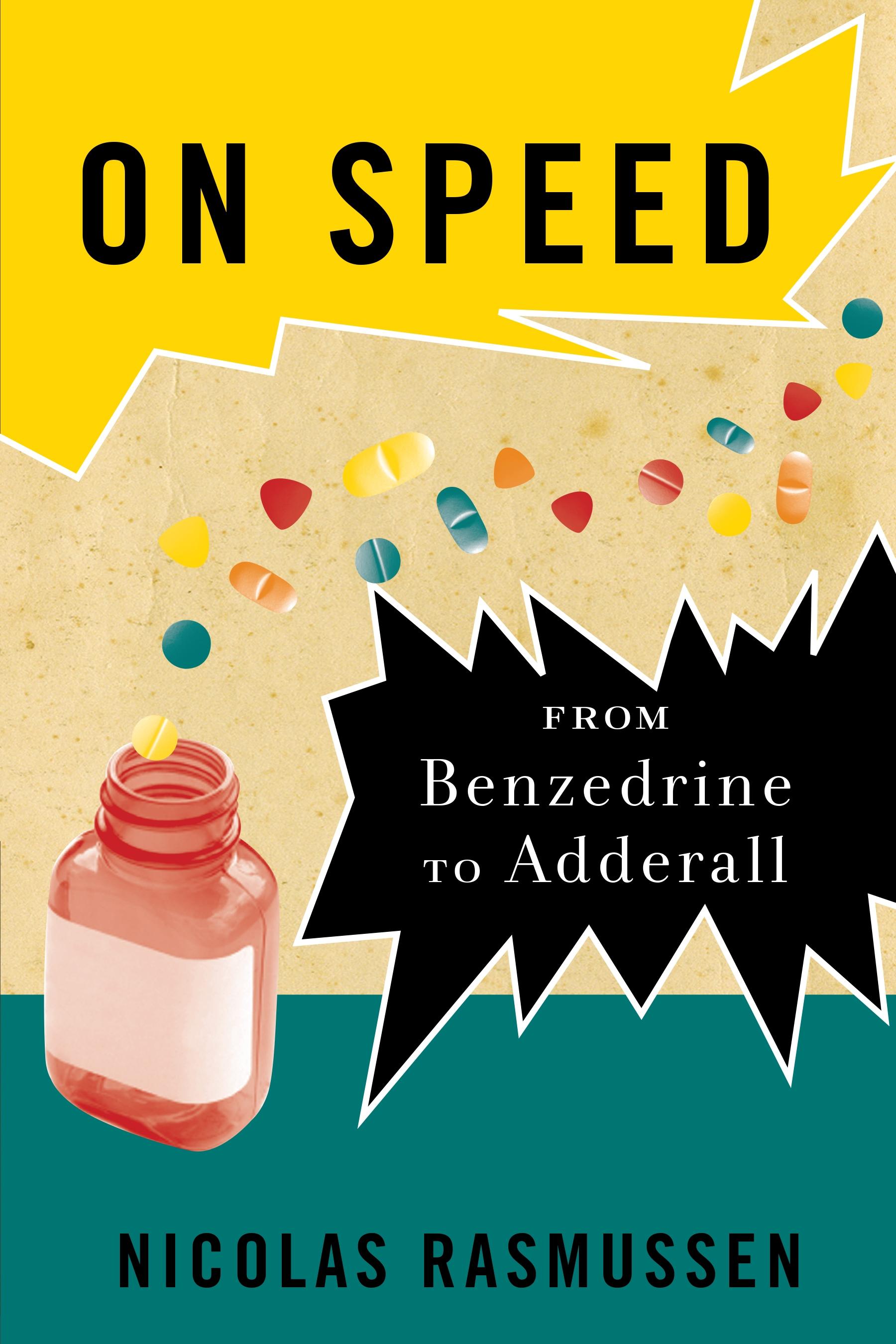
An extensively researched account of the ups and downs in the history of uppers
Uppers. Crank. Bennies. Dexies. Greenies. Black Beauties. Purple Hearts. Crystal. Ice. And, of course, Speed. Whatever their street names at the moment, amphetamines have been an insistent force in American life since they were marketed as the original antidepressants in the 1930s. On Speed tells the remarkable story of their rise, their fall, and their surprising resurgence. Along the way, it discusses the influence of pharmaceutical marketing on medicine, the evolving scientific understanding of how the human brain works, the role of drugs in maintaining the social order, and the centrality of pills in American life. Above all, however, this is a highly readable biography of a very popular drug. And it is a riveting story.
Incorporating extensive new research, On Speed describes the ups and downs (fittingly, there are mostly ups) in the history of amphetamines, and their remarkable pervasiveness. For example, at the same time that amphetamines were becoming part of the diet of many GIs in World War II, an amphetamine-abusing counterculture began to flourish among civilians. In the 1950s, psychiatrists and family doctors alike prescribed amphetamines for a wide variety of ailments, from mental disorders to obesity to emotional distress. By the late 1960s, speed had become a fixture in everyday life: up to ten percent of Americans were thought to be using amphetamines at least occasionally.
Although their use was regulated in the 1970s, it didn't take long for amphetamines to make a major comeback, with the discovery of Attention Deficit Disorder and the role that one drug in the amphetamine family—Ritalin—could play in treating it. Today’s most popular diet-assistance drugs differ little from the diet pills of years gone by, still speed at their core. And some of our most popular recreational drugs—including the "mellow" drug, Ecstasy—are also amphetamines. Whether we want to admit it or not, writes Rasmussen, we’re still a nation on speed.
Payez facilement par carte, Klarna, Apple Pay ou Google Pay. Pas satisfait ? Vous avez toujours une garantie de remboursement de 14 jours. En savoir plus dans nos conditions. Si vous avez des questions, envoyez-nous un e-mail à hello@memmo.org.
Memmo facilite tes études, où que tu sois dans le monde. On rassemble tes manuels de cours et des outils d'étude intelligents au même endroit : résumés, quiz, podcasts et flashcards. Et il y a Ted, ton compagnon d'étude qui répond à toutes tes questions. Plus de 50 000 étudiants étudient déjà ici – conçu pour t'aider à apprendre plus vite et à moins stresser.