
Countering dominant narratives of conflict through attention to memory and trauma
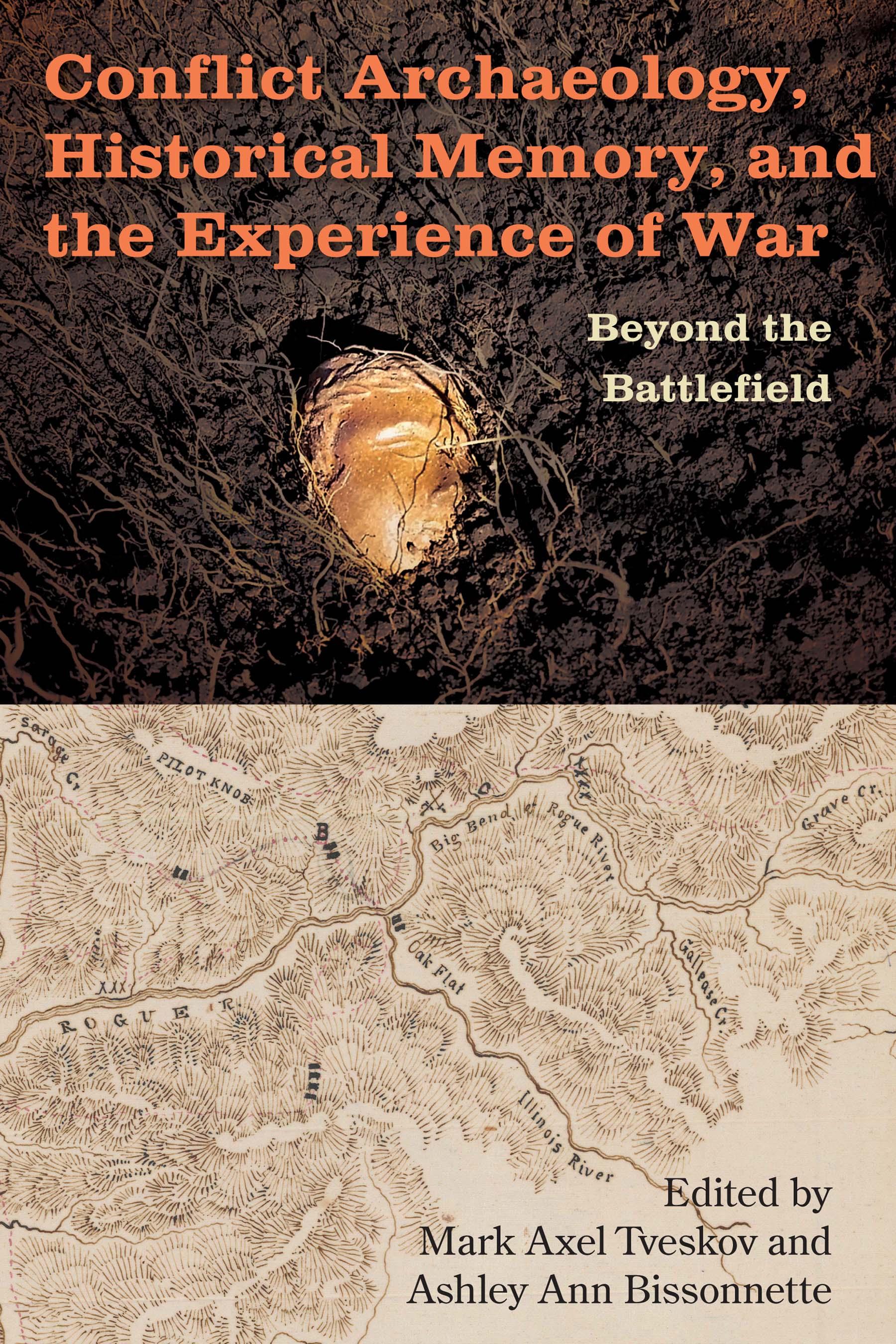
This volume presents approaches to the archaeology of war that move beyond the forensic analysis of battlefields, fortifications, and other sites of conflict to consider the historical memory, commemoration, and social experience of war. Leading scholars offer critical insights that challenge the dominant narratives about landscapes of war from throughout the history of North American settler colonialism.
Grounded in the empirical study of fields of conflict, these essays extend their scope to include a commitment to engaging local Indigenous and other descendant communities and to illustrating how public memories of war are actively and politically constructed. Contributors examine conflicts including the battle of Chikasha, King Philip’s War, the 1694 battle at Guadalupe Mesa, the Rogue River War, the Dakota-U.S. War of 1862, and a World War II battle on the island of Saipan. Studies also investigate the site of the Schenectady Massacre of 1690 and colonial posts staffed by Black soldiers.
Chapters discuss how prevailing narratives often minimized the complexity of these conflicts, smoothed over the contradictions and genocidal violence of colonialism, and erased the diversity of the participants. This volume demonstrates that the collaborative practice of conflict archaeology has the potential to reveal the larger meanings, erased voices, and lingering traumas of war.
Payez facilement par carte, Klarna, Apple Pay ou Google Pay. Pas satisfait ? Vous avez toujours une garantie de remboursement de 14 jours. En savoir plus dans nos conditions. Si vous avez des questions, envoyez-nous un e-mail à hello@memmo.org.
Memmo facilite tes études, où que tu sois dans le monde. On rassemble tes manuels de cours et des outils d'étude intelligents au même endroit : résumés, quiz, podcasts et flashcards. Et il y a Ted, ton compagnon d'étude qui répond à toutes tes questions. Plus de 50 000 étudiants étudient déjà ici – conçu pour t'aider à apprendre plus vite et à moins stresser.