
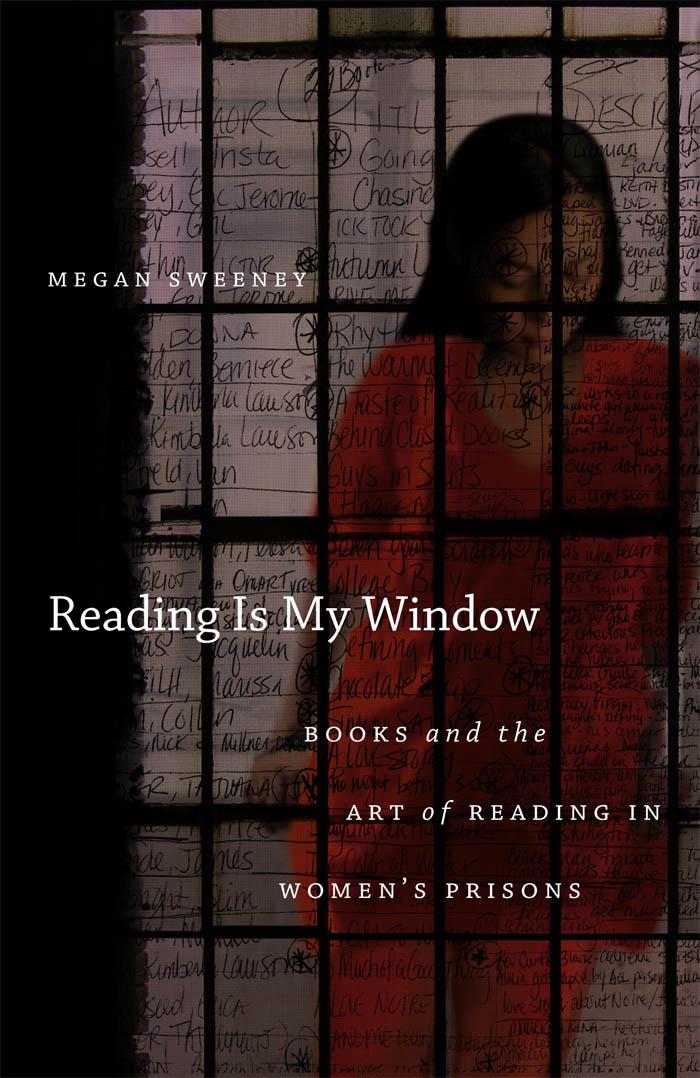
Drawing on extensive interviews with ninety-four women prisoners, Megan Sweeney examines how incarcerated women use available reading materials to come to terms with their pasts, negotiate their present experiences, and reach toward different futures.
Foregrounding the voices of African American women, Sweeney analyzes how prisoners read three popular genres: narratives of victimization, urban crime fiction, and self-help books. She outlines the history of reading and education in U.S. prisons, highlighting how the increasing dehumanization of prisoners has resulted in diminished prison libraries and restricted opportunities for reading. Although penal officials have sometimes endorsed reading as a means to control prisoners, Sweeney illuminates the resourceful ways in which prisoners educate and empower themselves through reading. Given the scarcity of counseling and education in prisons, women use books to make meaning from their experiences, to gain guidance and support, to experiment with new ways of being, and to maintain connections with the world.
Payez facilement par carte, Klarna, Apple Pay ou Google Pay. Pas satisfait ? Vous avez toujours une garantie de remboursement de 14 jours. En savoir plus dans nos conditions. Si vous avez des questions, envoyez-nous un e-mail à hello@memmo.org.
Memmo facilite tes études, où que tu sois dans le monde. On rassemble tes manuels de cours et des outils d'étude intelligents au même endroit : résumés, quiz, podcasts et flashcards. Et il y a Ted, ton compagnon d'étude qui répond à toutes tes questions. Plus de 50 000 étudiants étudient déjà ici – conçu pour t'aider à apprendre plus vite et à moins stresser.