
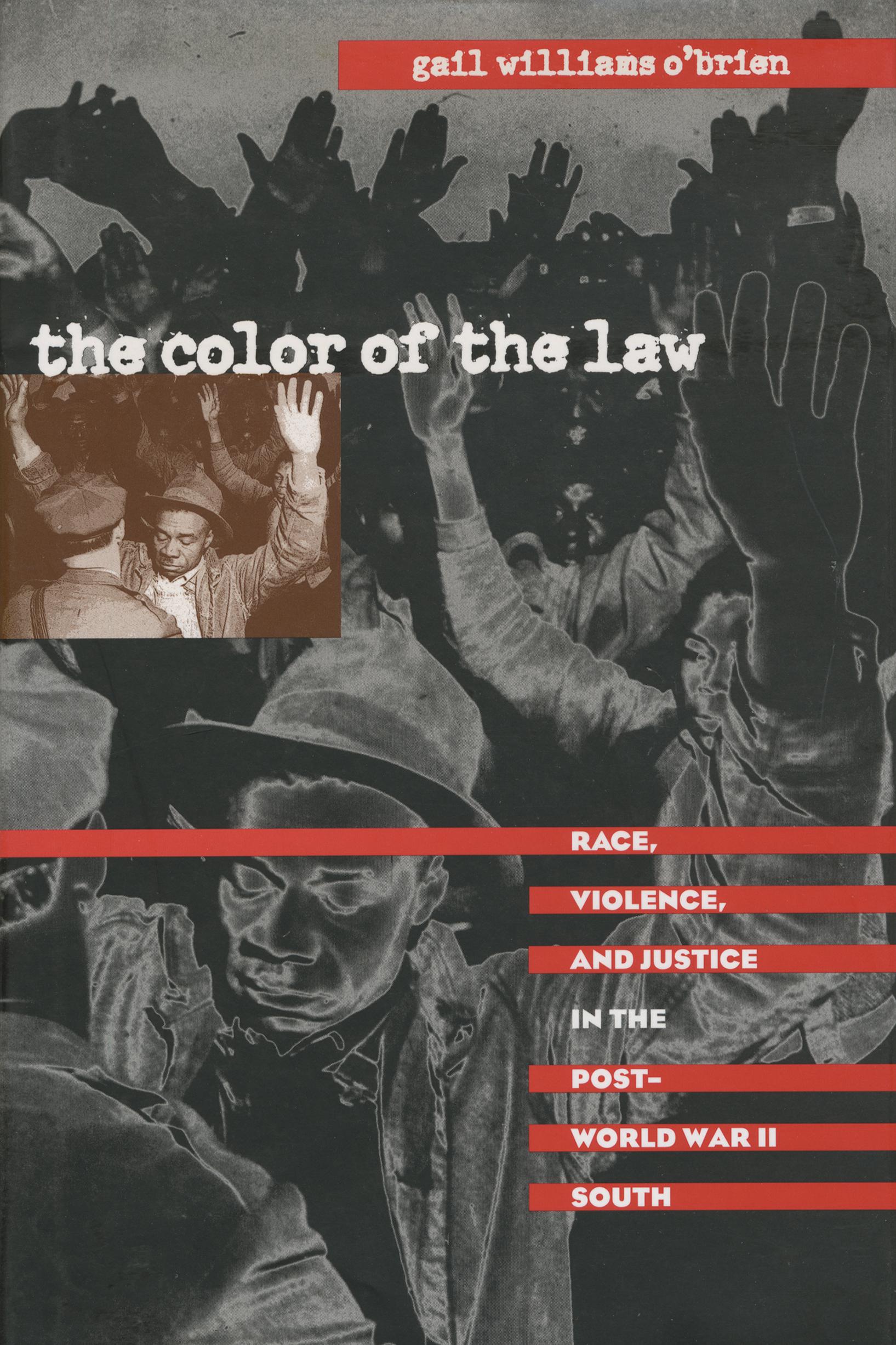
On February 25, 1946, African Americans in Columbia, Tennessee, averted the lynching of James Stephenson, a nineteen-year-old, black Navy veteran accused of attacking a white radio repairman at a local department store. That night, after Stephenson was safely out of town, four of Columbia’s police officers were shot and wounded when they tried to enter the town’s black business district. The next morning, the Tennessee Highway Patrol invaded the district, wrecking establishments and beating men as they arrested them. By day’s end, more than one hundred African Americans had been jailed. Two days later, highway patrolmen killed two of the arrestees while they were awaiting release from jail.
Drawing on oral interviews and a rich array of written sources, Gail Williams O'Brien tells the dramatic story of the Columbia “race riot,” the national attention it drew, and its surprising legal aftermath. In the process, she illuminates the effects of World War II on race relations and the criminal justice system in the United States. O'Brien argues that the Columbia events are emblematic of a nationwide shift during the 1940s from mob violence against African Americans to increased confrontations between blacks and the police and courts. As such, they reveal the history behind such contemporary conflicts as the Rodney King and O. J. Simpson cases.
Drawing on oral interviews and a rich array of written sources, Gail Williams O'Brien tells the dramatic story of the Columbia “race riot,” the national attention it drew, and its surprising legal aftermath. In the process, she illuminates the effects of World War II on race relations and the criminal justice system in the United States. O'Brien argues that the Columbia events are emblematic of a nationwide shift during the 1940s from mob violence against African Americans to increased confrontations between blacks and the police and courts. As such, they reveal the history behind such contemporary conflicts as the Rodney King and O. J. Simpson cases.
Payez facilement par carte, Klarna, Apple Pay ou Google Pay. Pas satisfait ? Vous avez toujours une garantie de remboursement de 14 jours. En savoir plus dans nos conditions. Si vous avez des questions, envoyez-nous un e-mail à hello@memmo.org.
Memmo facilite tes études, où que tu sois dans le monde. On rassemble tes manuels de cours et des outils d'étude intelligents au même endroit : résumés, quiz, podcasts et flashcards. Et il y a Ted, ton compagnon d'étude qui répond à toutes tes questions. Plus de 50 000 étudiants étudient déjà ici – conçu pour t'aider à apprendre plus vite et à moins stresser.
Tu pourrais aussi aimer
Acheter le livre0