
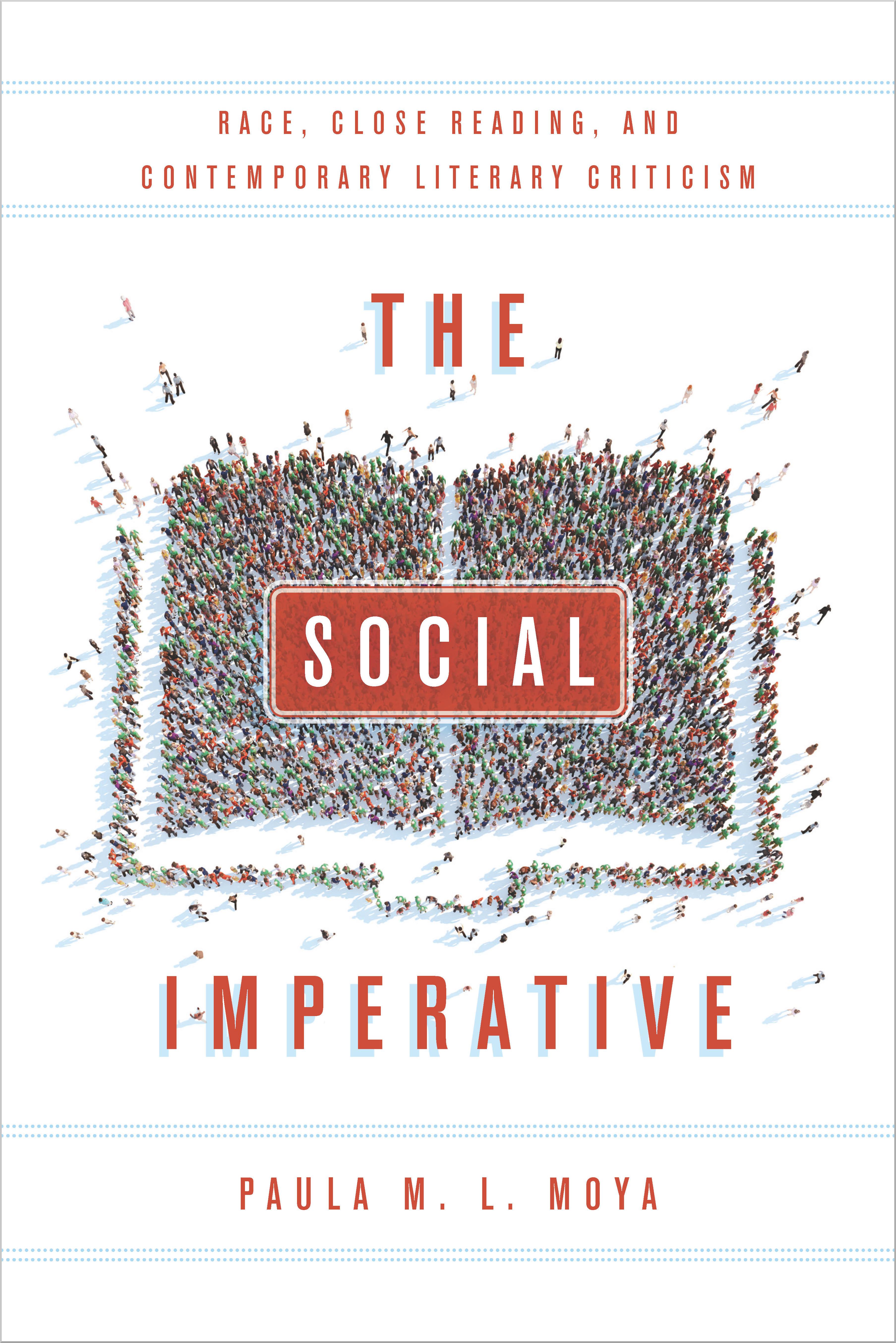
In the context of the ongoing crisis in literary criticism, The Social Imperative reminds us that while literature will never by itself change the world, it remains a powerful tool and important actor in the ongoing struggle to imagine better ways to be human and free. Figuring the relationship between reader and text as a type of friendship, the book elaborates the social-psychological concept of schema to show that our multiple social contexts affect what we perceive and how we feel when we read. Championing and modeling a kind of close reading that attends to how literature reflects, promotes, and contests pervasive sociocultural ideas about race, ethnicity, gender, and sexuality, Paula M. L. Moya demonstrates the power of works of literature by writers such as Junot Diaz, Toni Morrison, and Helena Maria Viramontes to alter perceptions and reshape cultural imaginaries. Insofar as literary fiction is a unique form of engagement with weighty social problems, it matters not only which specific works of literature we read and teach, but also how we read them, and with whom. This is what constitutes the social imperative of literature.
Payez facilement par carte, Klarna, Apple Pay ou Google Pay. Pas satisfait ? Vous avez toujours une garantie de remboursement de 14 jours. En savoir plus dans nos conditions. Si vous avez des questions, envoyez-nous un e-mail à hello@memmo.org.
Memmo facilite tes études, où que tu sois dans le monde. On rassemble tes manuels de cours et des outils d'étude intelligents au même endroit : résumés, quiz, podcasts et flashcards. Et il y a Ted, ton compagnon d'étude qui répond à toutes tes questions. Plus de 50 000 étudiants étudient déjà ici – conçu pour t'aider à apprendre plus vite et à moins stresser.