
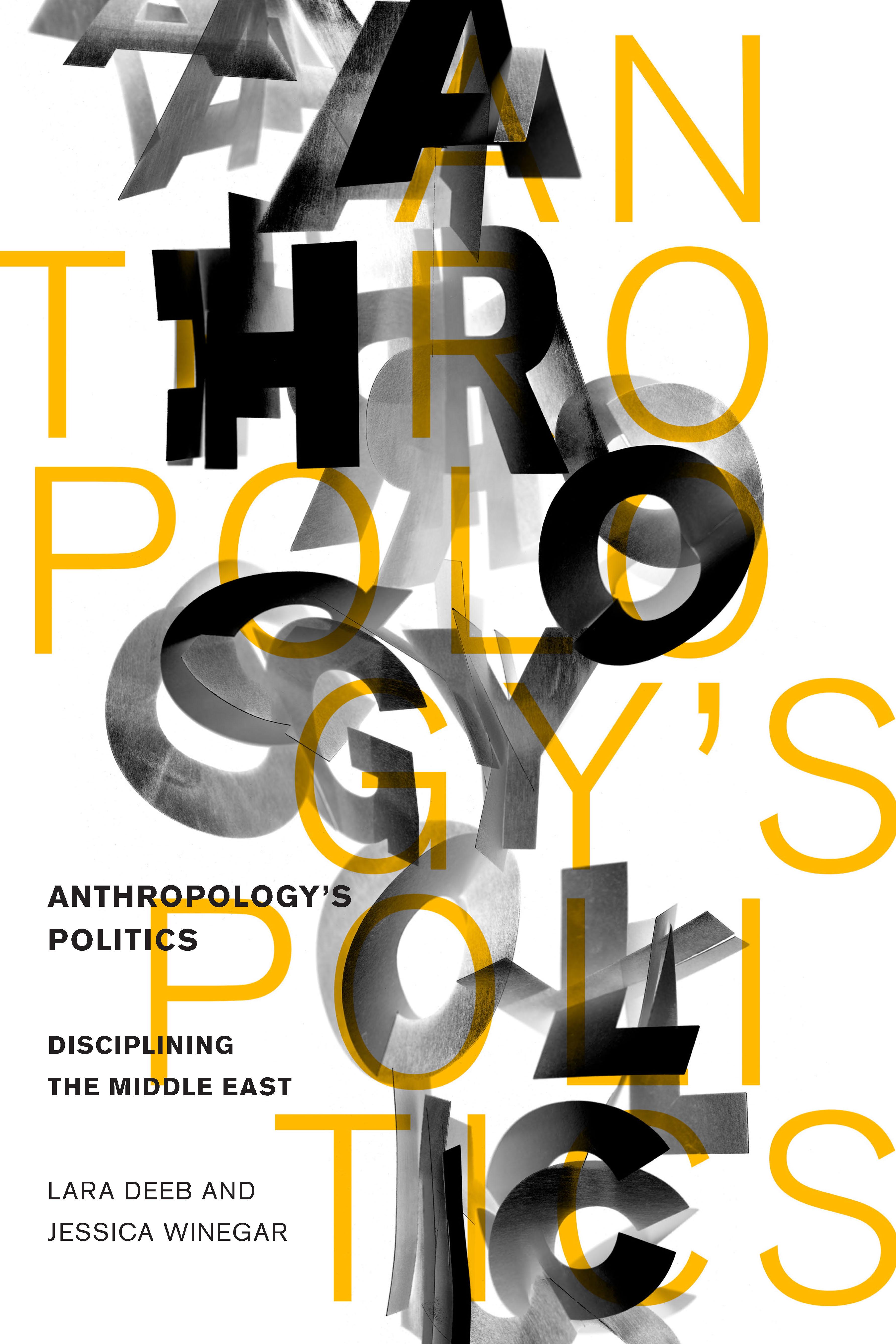
U.S. involvement in the Middle East has brought the region into the media spotlight and made it a hot topic in American college classrooms. At the same time, anthropology—a discipline committed to on-the-ground research about everyday lives and social worlds—has increasingly been criticized as "useless" or "biased" by right-wing forces. What happens when the two concerns meet, when such accusations target the researchers and research of a region so central to U.S. military interests?
This book is the first academic study to shed critical light on the political and economic pressures that shape how U.S. scholars research and teach about the Middle East. Lara Deeb and Jessica Winegar show how Middle East politics and U.S. gender and race hierarchies affect scholars across their careers—from the first decisions to conduct research in the tumultuous region, to ongoing politicized pressures from colleagues, students, and outside groups, to hurdles in sharing expertise with the public. They detail how academia, even within anthropology, an assumed "liberal" discipline, is infused with sexism, racism, Islamophobia, and Zionist obstruction of any criticism of the Israeli state. Anthropology's Politics offers a complex portrait of how academic politics ultimately hinders the education of U.S. students and potentially limits the public's access to critical knowledge about the Middle East.
Payez facilement par carte, Klarna, Apple Pay ou Google Pay. Pas satisfait ? Vous avez toujours une garantie de remboursement de 14 jours. En savoir plus dans nos conditions. Si vous avez des questions, envoyez-nous un e-mail à hello@memmo.org.
Memmo facilite tes études, où que tu sois dans le monde. On rassemble tes manuels de cours et des outils d'étude intelligents au même endroit : résumés, quiz, podcasts et flashcards. Et il y a Ted, ton compagnon d'étude qui répond à toutes tes questions. Plus de 50 000 étudiants étudient déjà ici – conçu pour t'aider à apprendre plus vite et à moins stresser.