
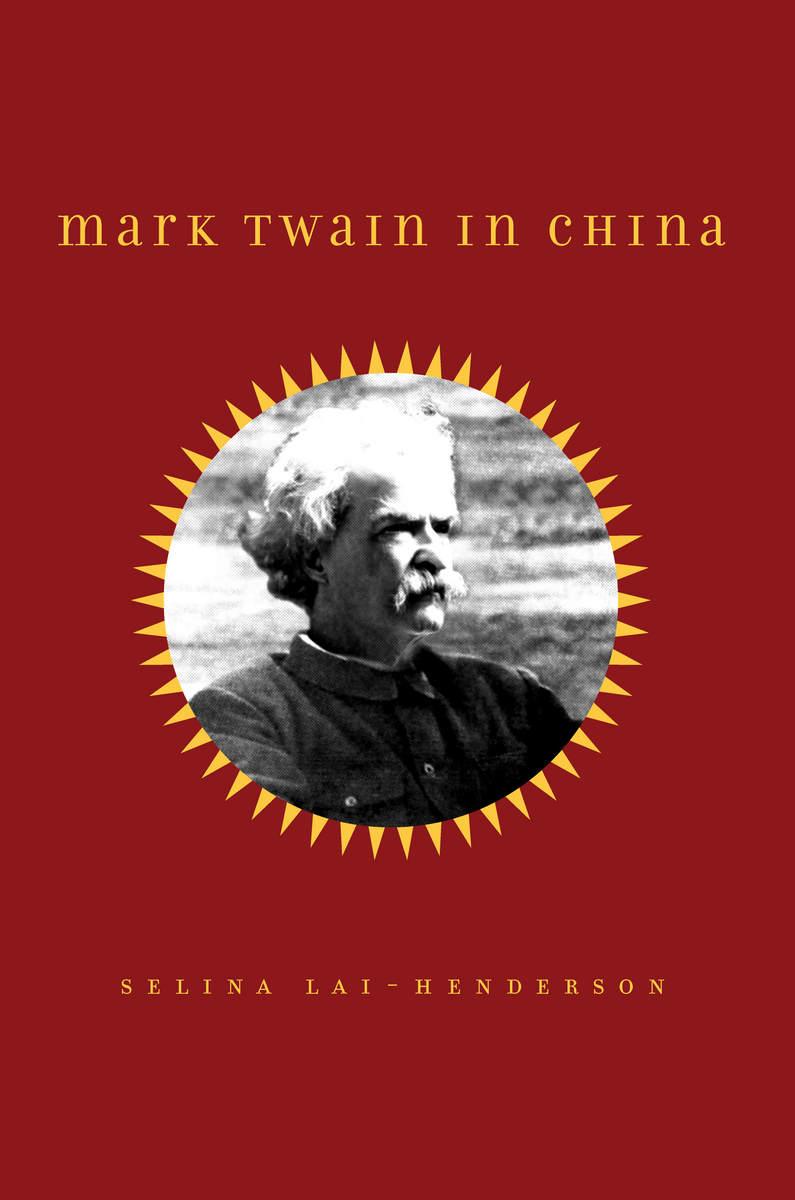
Mark Twain (Samuel Langhorne Clemens, 1835–1910) has had an intriguing relationship with China that is not as widely known as it should be. Although he never visited the country, he played a significant role in speaking for the Chinese people both at home and abroad. After his death, his Chinese adventures did not come to an end, for his body of works continued to travel through China in translation throughout the twentieth century. Were Twain alive today, he would be elated to know that he is widely studied and admired there, and that Adventures of Huckleberry Finn alone has gone through no less than ninety different Chinese translations, traversing China, Taiwan, and Hong Kong. Looking at Twain in various Chinese contexts—his response to events involving the American Chinese community and to the Chinese across the Pacific, his posthumous journey through translation, and China's reception of the author and his work, Mark Twain in China points to the repercussions of Twain in a global theater. It highlights the cultural specificity of concepts such as "race," "nation," and "empire," and helps us rethink their alternative legacies in countries with dramatically different racial and cultural dynamics from the United States.
Payez facilement par carte, Klarna, Apple Pay ou Google Pay. Pas satisfait ? Vous avez toujours une garantie de remboursement de 14 jours. En savoir plus dans nos conditions. Si vous avez des questions, envoyez-nous un e-mail à hello@memmo.org.
Memmo facilite tes études, où que tu sois dans le monde. On rassemble tes manuels de cours et des outils d'étude intelligents au même endroit : résumés, quiz, podcasts et flashcards. Et il y a Ted, ton compagnon d'étude qui répond à toutes tes questions. Plus de 50 000 étudiants étudient déjà ici – conçu pour t'aider à apprendre plus vite et à moins stresser.