
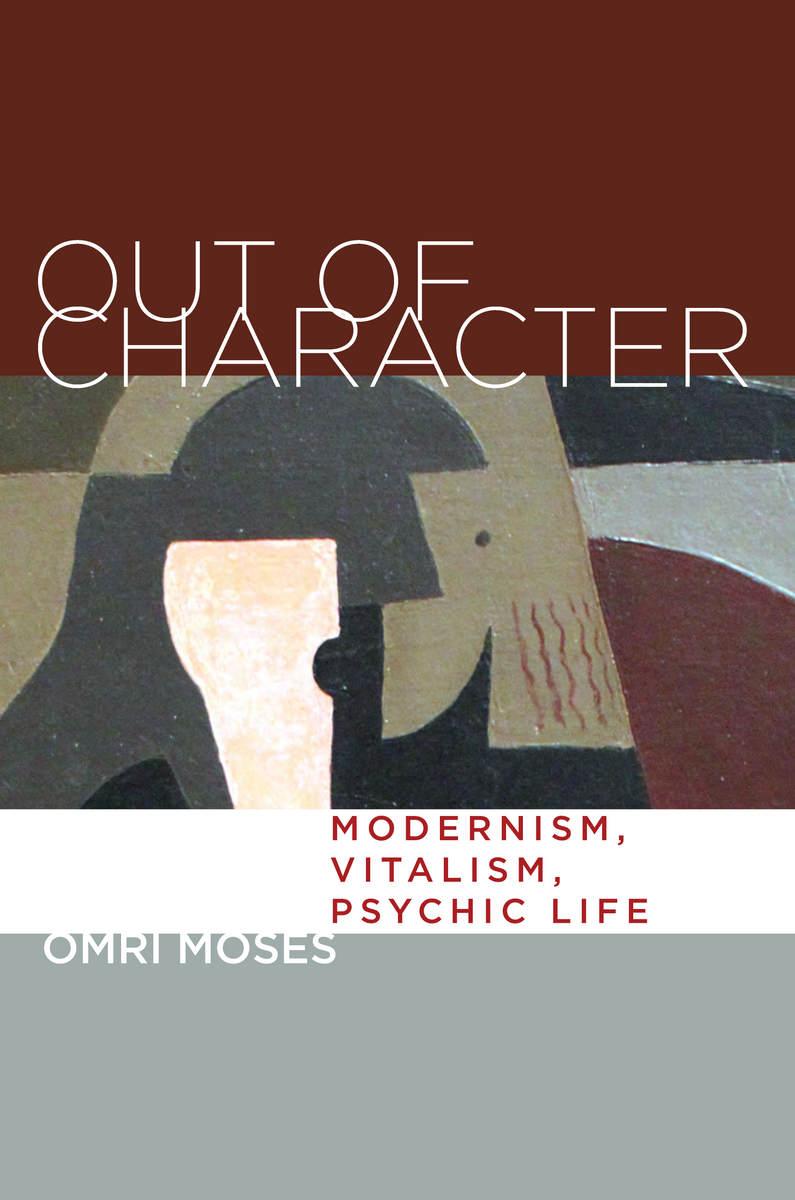
"Characters" are those fictive beings in novels whose coherent patterns of behavior make them credible as people. "Character" is also used to refer to the capacity—or incapacity—of individuals to sustain core principles. When characters are inconsistent, they risk coming across as dangerous or immoral, not to mention unconvincing. But what is behind our culture's esteem for unwavering consistency? Out of Character examines literary characters who defy our culture's models of personal integrity. It argues that modernist writers Henry James, Gertrude Stein, and T. S. Eliot drew inspiration from vitalism as a way of reinventing the means of depicting people in fiction and poetry. Rather than regarding a rigid character as something that inoculates us against the shifting tides of circumstance, these writers insist on the ethical necessity of forming improvisational, dynamic social relationships. Charting the literary impact of William James, Charles Darwin, Friedrich Nietzsche, and, in particular, Henri Bergson, this book contends that vitalist understandings of psychology, affect, and perception led to new situational and relational definitions of selfhood. As Moses demonstrates, the modernists stirred by these vital life lessons give us a sense of what psychic life looks like at its most intricate, complex, and unpredictable.
Payez facilement par carte, Klarna, Apple Pay ou Google Pay. Pas satisfait ? Vous avez toujours une garantie de remboursement de 14 jours. En savoir plus dans nos conditions. Si vous avez des questions, envoyez-nous un e-mail à hello@memmo.org.
Memmo facilite tes études, où que tu sois dans le monde. On rassemble tes manuels de cours et des outils d'étude intelligents au même endroit : résumés, quiz, podcasts et flashcards. Et il y a Ted, ton compagnon d'étude qui répond à toutes tes questions. Plus de 50 000 étudiants étudient déjà ici – conçu pour t'aider à apprendre plus vite et à moins stresser.