
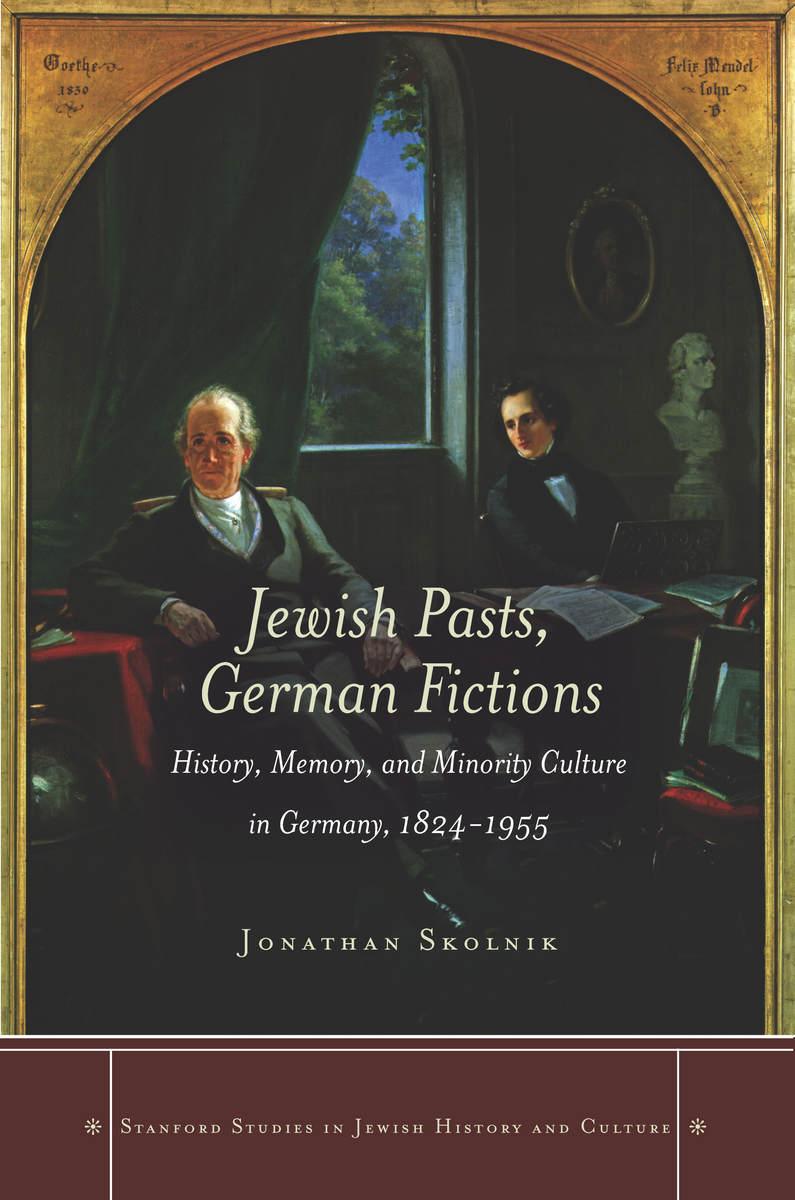
Jewish Pasts, German Fictions is the first comprehensive study of how German-Jewish writers used images from the Spanish-Jewish past to define their place in German culture and society. Jonathan Skolnik argues that Jewish historical fiction was a form of cultural memory that functioned as a parallel to the modern, demythologizing project of secular Jewish history writing.
What did it imply for a minority to imagine its history in the majority language? Skolnik makes the case that the answer lies in the creation of a German-Jewish minority culture in which historical fiction played a central role. After Hitler's rise to power in 1933, Jewish writers and artists, both in Nazi Germany and in exile, employed images from the Sephardic past to grapple with the nature of fascism, the predicament of exile, and the destruction of European Jewry in the Holocaust. The book goes on to show that this past not only helped Jews to make sense of the nonsense, but served also as a window into the hopes for integration and fears about assimilation that preoccupied German-Jewish writers throughout most of the nineteenth century. Ultimately, Skolnik positions the Jewish embrace of German culture not as an act of assimilation but rather a reinvention of Jewish identity and historical memory.
Payez facilement par carte, Klarna, Apple Pay ou Google Pay. Pas satisfait ? Vous avez toujours une garantie de remboursement de 14 jours. En savoir plus dans nos conditions. Si vous avez des questions, envoyez-nous un e-mail à hello@memmo.org.
Memmo facilite tes études, où que tu sois dans le monde. On rassemble tes manuels de cours et des outils d'étude intelligents au même endroit : résumés, quiz, podcasts et flashcards. Et il y a Ted, ton compagnon d'étude qui répond à toutes tes questions. Plus de 50 000 étudiants étudient déjà ici – conçu pour t'aider à apprendre plus vite et à moins stresser.