
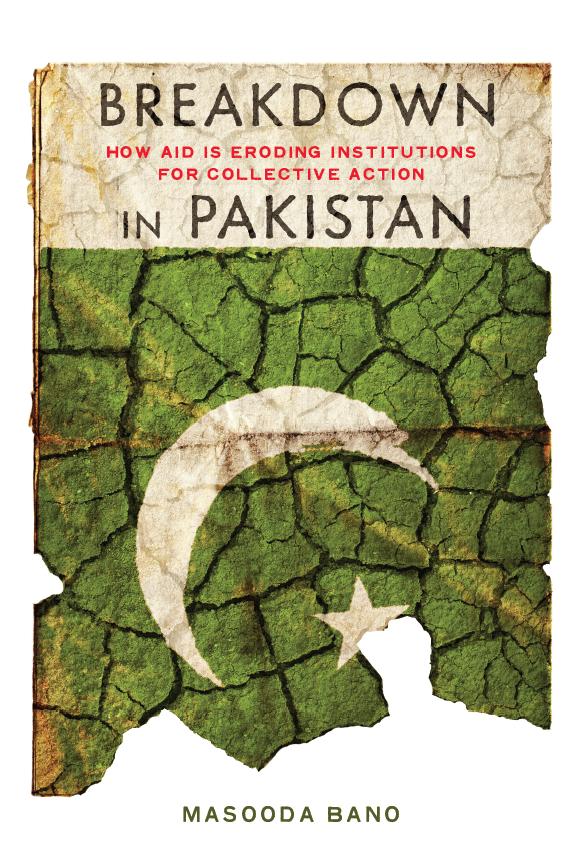
Thirty percent of foreign development aid is channeled through NGOs or community-based organizations to improve service delivery to the poor, build social capital, and establish democracy in developing nations. However, growing evidence suggests that aid often erodes, rather than promotes, cooperation within developing nations. This book presents a rare, micro level account of the complex decision-making processes that bring individuals together to form collective-action platforms. It then examines why aid often breaks down the very institutions for collective action that it aims to promote.
Breakdown in Pakistan identifies concrete measures to check the erosion of cooperation in foreign aid scenarios. Pakistan is one of the largest recipients of international development aid, and therefore the empirical details presented are particularly relevant for policy. The book's argument is equally applicable to a number of other developing countries, and has important implications for recent discussions within the field of economics.
Payez facilement par carte, Klarna, Apple Pay ou Google Pay. Pas satisfait ? Vous avez toujours une garantie de remboursement de 14 jours. En savoir plus dans nos conditions. Si vous avez des questions, envoyez-nous un e-mail à hello@memmo.org.
Memmo facilite tes études, où que tu sois dans le monde. On rassemble tes manuels de cours et des outils d'étude intelligents au même endroit : résumés, quiz, podcasts et flashcards. Et il y a Ted, ton compagnon d'étude qui répond à toutes tes questions. Plus de 50 000 étudiants étudient déjà ici – conçu pour t'aider à apprendre plus vite et à moins stresser.