
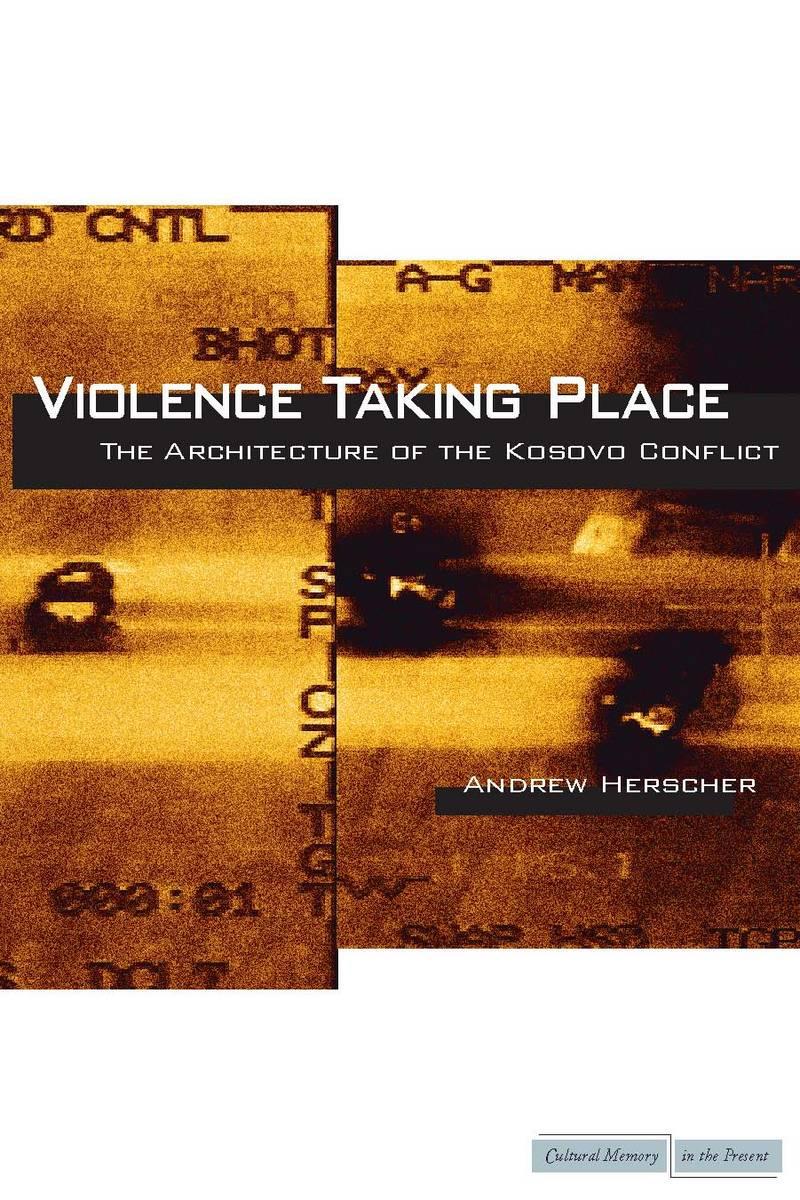
While the construction of architecture has a place in architectural discourse, its destruction, generally seen as incompatible with the very idea of "culture," has been neglected in theoretical and historical discussion. Responding to this neglect, Herscher examines the case of the former Yugoslavia and in particular, Kosovo, where targeting architecture has been a prominent dimension of political violence. Rather than interpreting violence against architecture as a mere representation of "deeper" social, political, or ideological dynamics, Herscher reveals it to be a form of cultural production, irreducible to its contexts and formative of the identities and agencies that seemingly bear on it as causes. Focusing on the particular sites where violence is inflicted and where its subjects and objects are articulated, the book traces the intersection of violence and architecture from socialist modernization, through ethnic and nationalist conflict, to postwar reconstruction.
Payez facilement par carte, Klarna, Apple Pay ou Google Pay. Pas satisfait ? Vous avez toujours une garantie de remboursement de 14 jours. En savoir plus dans nos conditions. Si vous avez des questions, envoyez-nous un e-mail à hello@memmo.org.
Memmo facilite tes études, où que tu sois dans le monde. On rassemble tes manuels de cours et des outils d'étude intelligents au même endroit : résumés, quiz, podcasts et flashcards. Et il y a Ted, ton compagnon d'étude qui répond à toutes tes questions. Plus de 50 000 étudiants étudient déjà ici – conçu pour t'aider à apprendre plus vite et à moins stresser.