
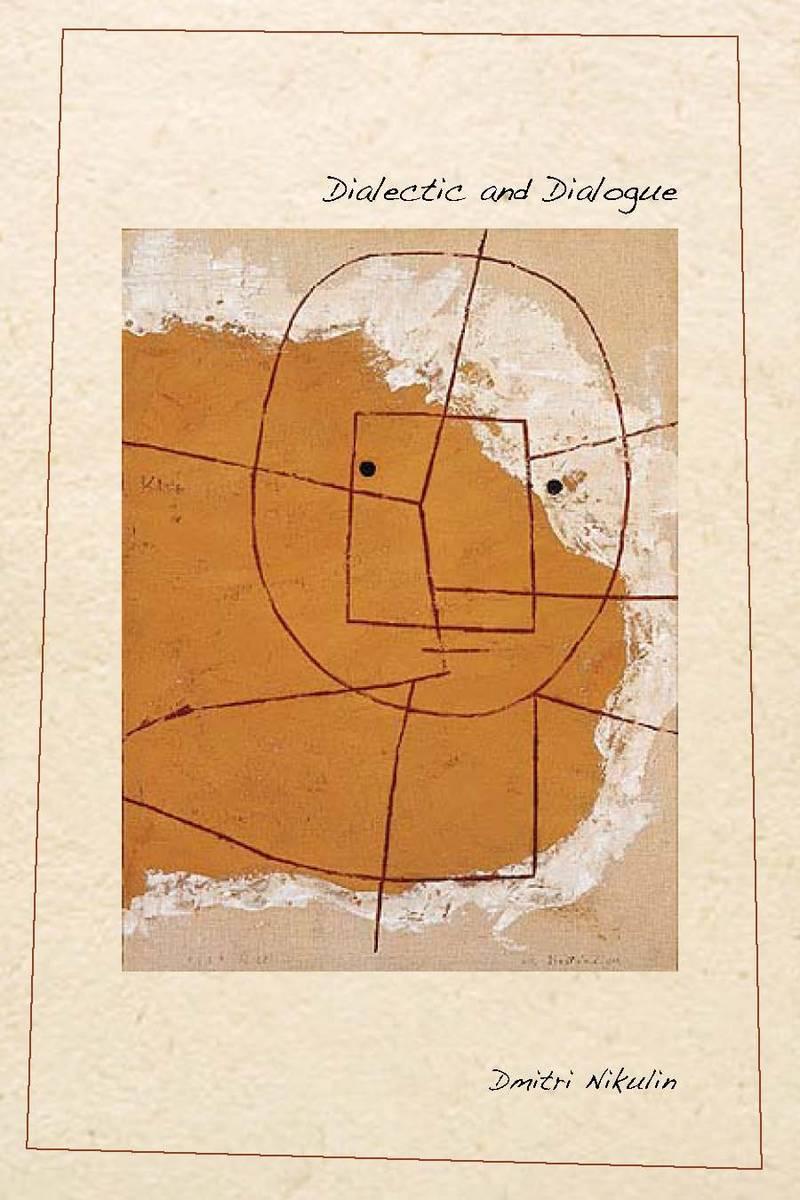
This book considers the emergence of dialectic out of the spirit of dialogue and traces the relation between the two. It moves from Plato, for whom dialectic is necessary to destroy incorrect theses and attain thinkable being, to Cusanus, to modern philosophers—Descartes, Kant, Hegel, Schleiermacher and Gadamer, for whom dialectic becomes the driving force behind the constitution of a rational philosophical system. Conceived as a logical enterprise, dialectic strives to liberate itself from dialogue, which it views as merely accidental and even disruptive of thought, in order to become a systematic or scientific method. The Cartesian autonomous and universal yet utterly monological and lonely subject requires dialectic alone to reason correctly, yet dialogue, despite its unfinalizable and interruptive nature, is what constitutes the human condition.
Payez facilement par carte, Klarna, Apple Pay ou Google Pay. Pas satisfait ? Vous avez toujours une garantie de remboursement de 14 jours. En savoir plus dans nos conditions. Si vous avez des questions, envoyez-nous un e-mail à hello@memmo.org.
Memmo facilite tes études, où que tu sois dans le monde. On rassemble tes manuels de cours et des outils d'étude intelligents au même endroit : résumés, quiz, podcasts et flashcards. Et il y a Ted, ton compagnon d'étude qui répond à toutes tes questions. Plus de 50 000 étudiants étudient déjà ici – conçu pour t'aider à apprendre plus vite et à moins stresser.