
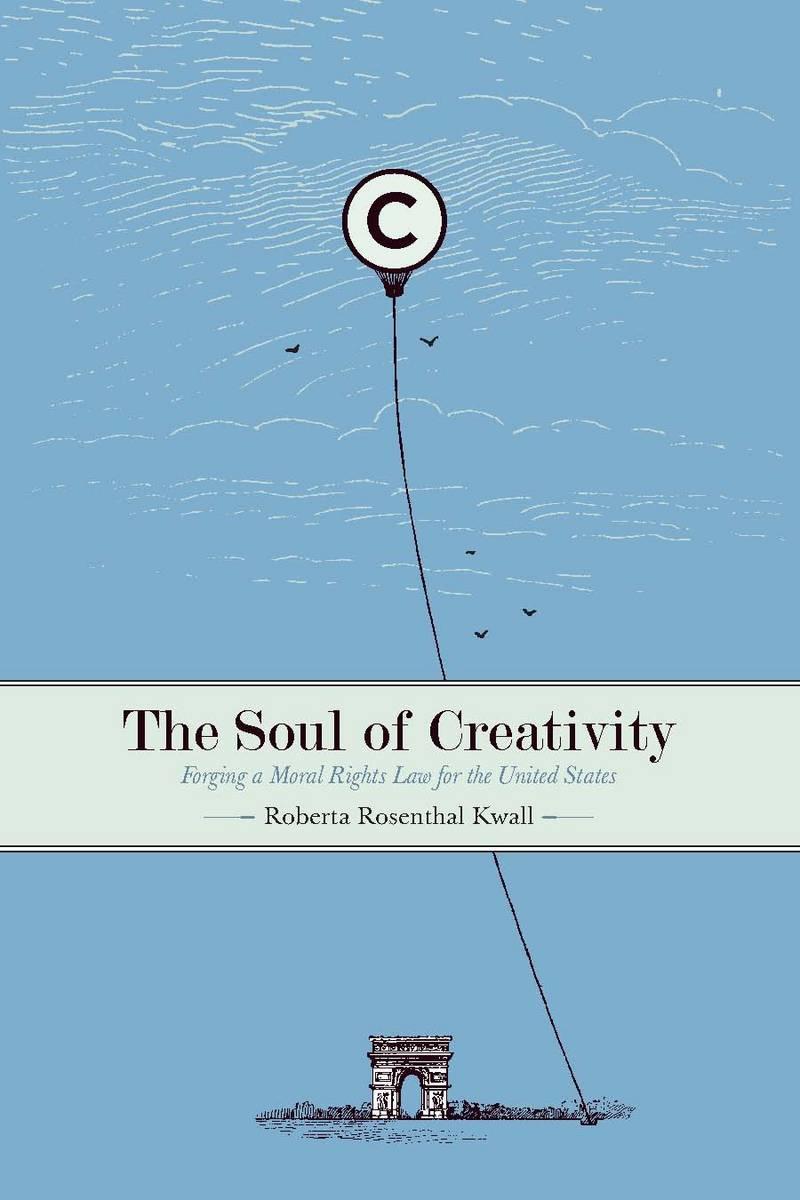
In the United States, human creativity is historically understood to be motivated by economic concerns. However, this perspective fails to account for the reality that human creativity is also often the result of internal motivations having nothing to do with money. This book addresses what motivates human creativity and how the law governing authors' rights should be shaped in response to these motivations.
On a practical level, it illustrates how integrating a fuller appreciation of the inspirational dimension of the creative process will allow us to think more expansively about legal protections for authors. Many types of creators currently lack the legal ability to compel attribution for their work, to prevent misattribution, and to safeguard their work from unwanted modifications. Drawing from a number of diverse sources, including literary, philosophical, and religious works, this book offers real solutions for crafting legal measures that facilitate an author's ability to safeguard his or her work without entirely sacrificing the intellectual property policies in practice in the United States today.
Payez facilement par carte, Klarna, Apple Pay ou Google Pay. Pas satisfait ? Vous avez toujours une garantie de remboursement de 14 jours. En savoir plus dans nos conditions. Si vous avez des questions, envoyez-nous un e-mail à hello@memmo.org.
Memmo facilite tes études, où que tu sois dans le monde. On rassemble tes manuels de cours et des outils d'étude intelligents au même endroit : résumés, quiz, podcasts et flashcards. Et il y a Ted, ton compagnon d'étude qui répond à toutes tes questions. Plus de 50 000 étudiants étudient déjà ici – conçu pour t'aider à apprendre plus vite et à moins stresser.