
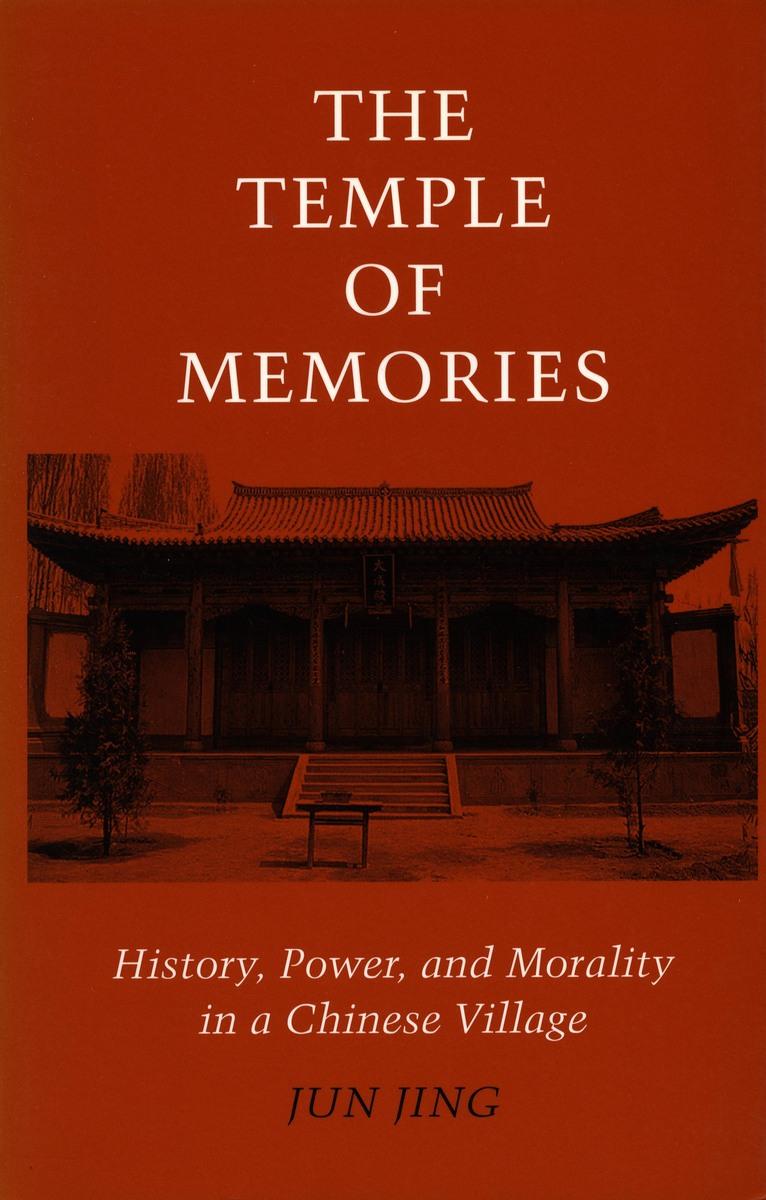
This study focuses on the politics of memory in the village of Dachuan in northwest China, in which 85 percent of the villagers are surnamed Kong and believe themselves to be descendants of Confucius. It recounts both how this proud community was subjected to intense suffering during the Maoist era, culminating in its forcible resettlement in December 1960 to make way for the construction of a major hydroelectric dam, and how the village eventually sought recovery through the commemoration of that suffering and the revival of a redefined religion.
Before 1949, the Kongs had dominated their area because of their political influence, wealth, and, above all, their identification with Confucius, whose precepts underlay so much of the Chinese ethical and political tradition. After the Communists came to power in 1949, these people, as a literal embodiment of the Confucian heritage, became prime targets for Maoist political campaigns attacking the traditional order, from land reform to the “Criticize Confucius” movement. Many villagers were arrested, three were beheaded, and others died in labor camps. When the villagers were forced to hastily abandon their homes and the village temple, they had time to disinter only the bones of their closest family members; the tombs of earlier generations were destroyed by construction workers for the dam.
Payez facilement par carte, Klarna, Apple Pay ou Google Pay. Pas satisfait ? Vous avez toujours une garantie de remboursement de 14 jours. En savoir plus dans nos conditions. Si vous avez des questions, envoyez-nous un e-mail à hello@memmo.org.
Memmo facilite tes études, où que tu sois dans le monde. On rassemble tes manuels de cours et des outils d'étude intelligents au même endroit : résumés, quiz, podcasts et flashcards. Et il y a Ted, ton compagnon d'étude qui répond à toutes tes questions. Plus de 50 000 étudiants étudient déjà ici – conçu pour t'aider à apprendre plus vite et à moins stresser.