
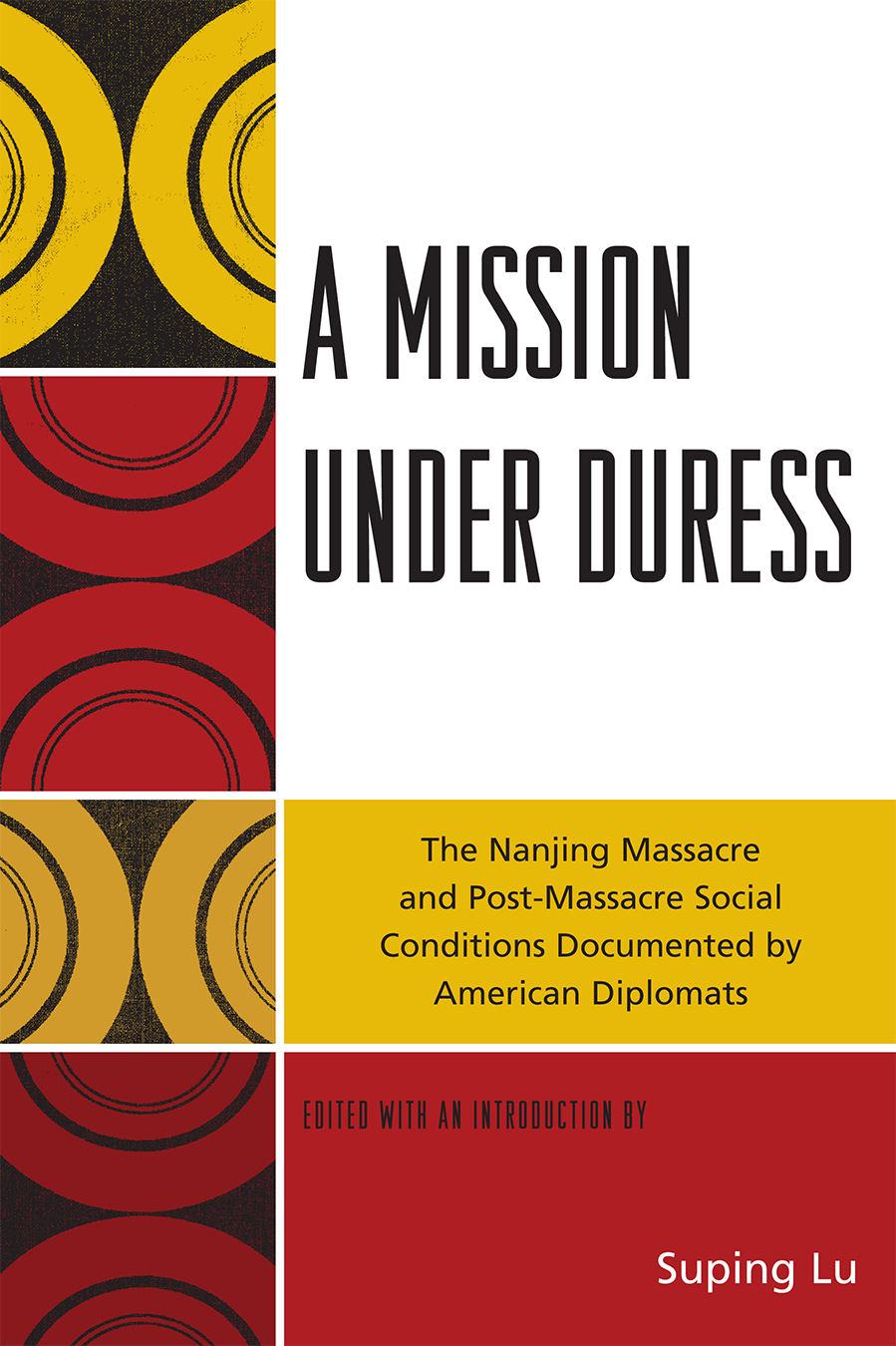
Immediately after capturing the Chinese capital, Nanjing, on December 13, 1937, Japanese soldiers committed atrocities such as mass executions, rampant rapes, arson, and looting in and around the city. The carnage went on for weeks.
On January 6, 1938, after the worst of the massacre atrocities was over, three American diplomats arrived in Nanjing. Upon their arrival, Third Secretary John Moore Allison, Vice Consul James Espy, and Code Clerk Archibald Alexander McFardyen, Jr. cabled dispatches about the atrocities and other conditions in the city to the Department of State and other U.S. diplomatic posts in China. Often, they dispatched several reports within a day. These atrocity reports, which were largely based on interviews with American missionaries and their own investigations, gave detailed descriptions of Japanese atrocities, property damage, social conditions, relief efforts, diplomatic wrestling, and many other aspects of life in the city during and after the massacre period. The value of these diplomatic dispatches and reports, which were retrieved from the national archives, rests on that they extensively document the American diplomats' role, their observations and attitude toward the situation there, their efforts to help the Chinese and protect the Americans, and their struggles with the Japanese.
On January 6, 1938, after the worst of the massacre atrocities was over, three American diplomats arrived in Nanjing. Upon their arrival, Third Secretary John Moore Allison, Vice Consul James Espy, and Code Clerk Archibald Alexander McFardyen, Jr. cabled dispatches about the atrocities and other conditions in the city to the Department of State and other U.S. diplomatic posts in China. Often, they dispatched several reports within a day. These atrocity reports, which were largely based on interviews with American missionaries and their own investigations, gave detailed descriptions of Japanese atrocities, property damage, social conditions, relief efforts, diplomatic wrestling, and many other aspects of life in the city during and after the massacre period. The value of these diplomatic dispatches and reports, which were retrieved from the national archives, rests on that they extensively document the American diplomats' role, their observations and attitude toward the situation there, their efforts to help the Chinese and protect the Americans, and their struggles with the Japanese.
Payez facilement par carte, Klarna, Apple Pay ou Google Pay. Pas satisfait ? Vous avez toujours une garantie de remboursement de 14 jours. En savoir plus dans nos conditions. Si vous avez des questions, envoyez-nous un e-mail à hello@memmo.org.
Memmo facilite tes études, où que tu sois dans le monde. On rassemble tes manuels de cours et des outils d'étude intelligents au même endroit : résumés, quiz, podcasts et flashcards. Et il y a Ted, ton compagnon d'étude qui répond à toutes tes questions. Plus de 50 000 étudiants étudient déjà ici – conçu pour t'aider à apprendre plus vite et à moins stresser.