
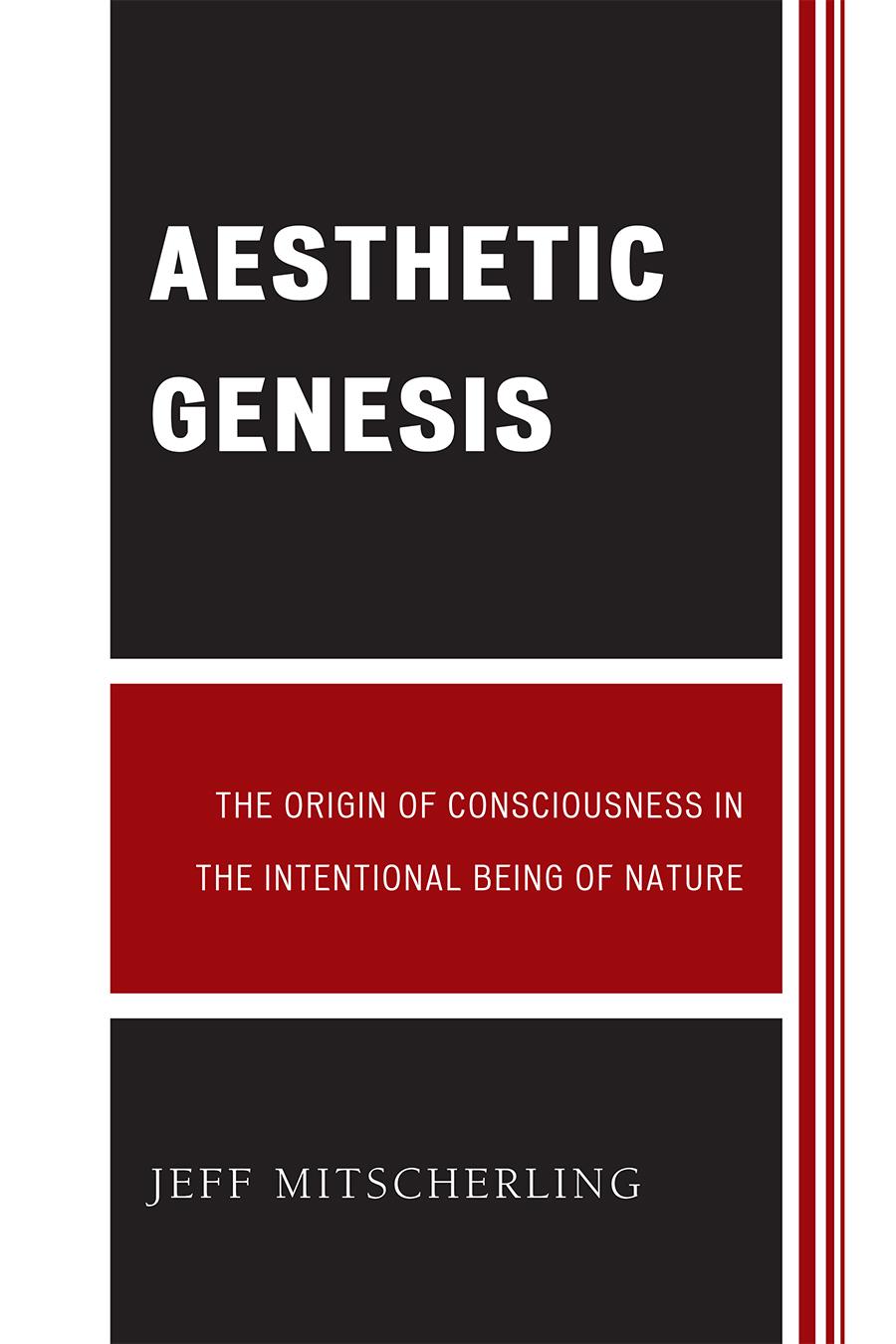
In Aesthetic Genesis, the author argues for a reversal of the most fundamental tenet of phenomenology-namely, that all consciousness is intentional (that is, directed toward an object). Mitscherling suggests, as a new "Copernican hypothesis," that intentionality (i.e., directionality) gives rise to consciousness. This book describes not only the origin, or "genesis," of human cognition in sensation, but also the genesis of sensation from intentional structures belonging to nature itself. A phenomenological examination of our experience leads to the conclusion that the two sorts of being generally recognized by contemporary science and philosophy-that is, material being and ideal being-prove ontologically inadequate to account for this experience. Mitscherling rehabilitates the pre-modern concepts of "intentional being" and "formal causality" and employs them in the construction of a comprehensive phenomenological analysis of embodiment, aesthetic experience, the interpretation of texts, moral behavior, and cognition in general.
Payez facilement par carte, Klarna, Apple Pay ou Google Pay. Pas satisfait ? Vous avez toujours une garantie de remboursement de 14 jours. En savoir plus dans nos conditions. Si vous avez des questions, envoyez-nous un e-mail à hello@memmo.org.
Memmo facilite tes études, où que tu sois dans le monde. On rassemble tes manuels de cours et des outils d'étude intelligents au même endroit : résumés, quiz, podcasts et flashcards. Et il y a Ted, ton compagnon d'étude qui répond à toutes tes questions. Plus de 50 000 étudiants étudient déjà ici – conçu pour t'aider à apprendre plus vite et à moins stresser.