
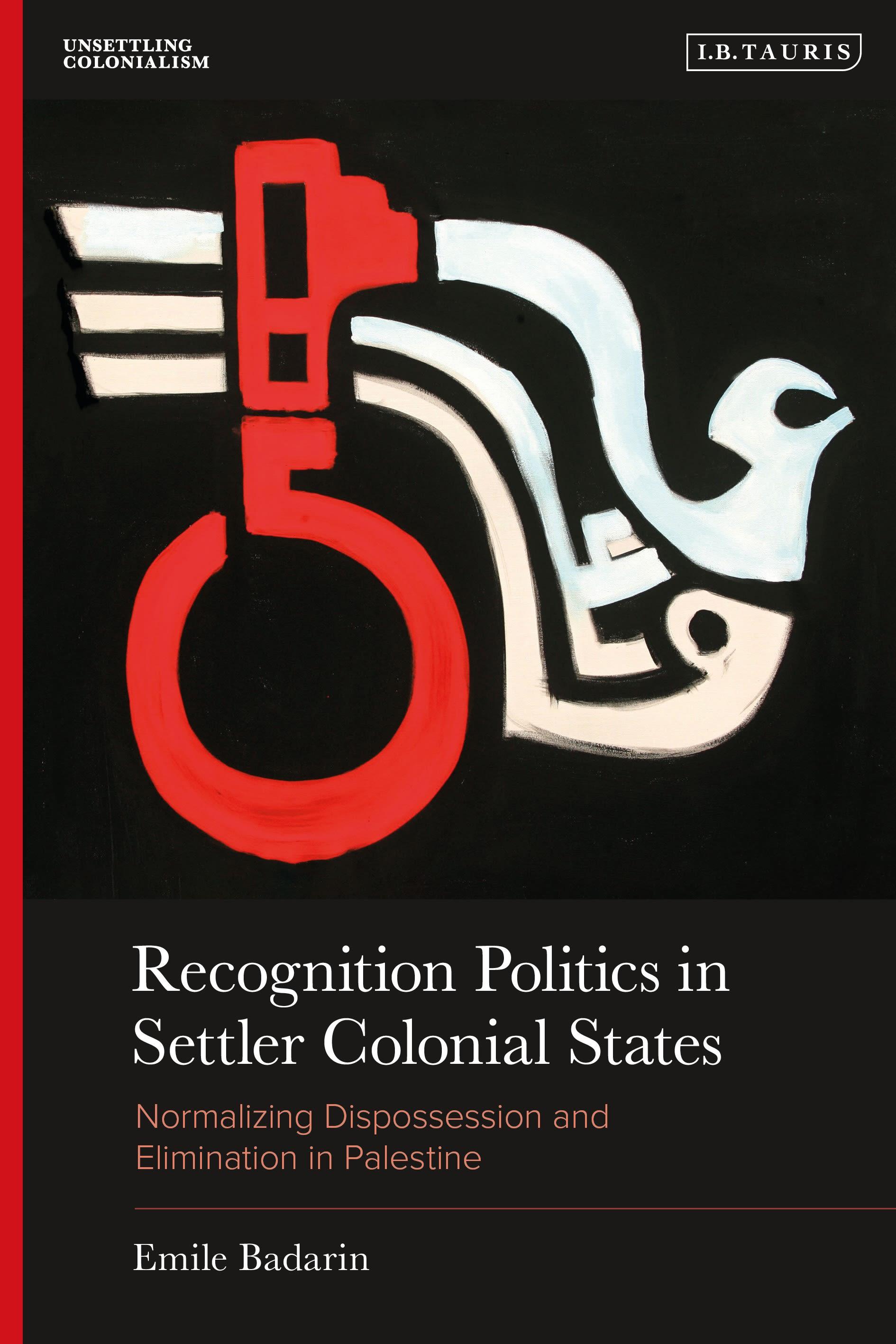
Using Palestine as a case study, Recognition Politics in Settler Colonial States shows how recognition politics operate to legitimize long-standing colonial power structures.
In existing scholarship, recognition has been seen as an asset coveted by indigenous communities. This book forwards a new, theoretically ground-breaking perspective. Emile Badarin shows that in colonial contexts, settlers use recognition to legitimize and normalize the dispossession and elimination of Indigenous people. More than this, settler-colonial states themselves actively pursue recognition, employing it as a means to further the elimination of the indigenous societies they seek to replace. In making the case, the book critically examines the Euromodern categories of race, racism and racial hierarchies and draws new conclusions about the interplay between colonialism, racism and Zionism. Central to this analysis is how anti-Zionism has been strategically equated with anti-Semitism, and effectively used as a tool for the advancement of both settler-colonialism in Palestine and Israel's recognition on the international stage. The book delves into indigenous normative resistance against colonial recognition politics through the lens of the Palestinian practice of ?umud (steadfastness), extracting its philosophy of liberation as a pathway towards a decolonial future for all in Palestine and beyond.
In existing scholarship, recognition has been seen as an asset coveted by indigenous communities. This book forwards a new, theoretically ground-breaking perspective. Emile Badarin shows that in colonial contexts, settlers use recognition to legitimize and normalize the dispossession and elimination of Indigenous people. More than this, settler-colonial states themselves actively pursue recognition, employing it as a means to further the elimination of the indigenous societies they seek to replace. In making the case, the book critically examines the Euromodern categories of race, racism and racial hierarchies and draws new conclusions about the interplay between colonialism, racism and Zionism. Central to this analysis is how anti-Zionism has been strategically equated with anti-Semitism, and effectively used as a tool for the advancement of both settler-colonialism in Palestine and Israel's recognition on the international stage. The book delves into indigenous normative resistance against colonial recognition politics through the lens of the Palestinian practice of ?umud (steadfastness), extracting its philosophy of liberation as a pathway towards a decolonial future for all in Palestine and beyond.
Payez facilement par carte, Klarna, Apple Pay ou Google Pay. Pas satisfait ? Vous avez toujours une garantie de remboursement de 14 jours. En savoir plus dans nos conditions. Si vous avez des questions, envoyez-nous un e-mail à hello@memmo.org.
Memmo facilite tes études, où que tu sois dans le monde. On rassemble tes manuels de cours et des outils d'étude intelligents au même endroit : résumés, quiz, podcasts et flashcards. Et il y a Ted, ton compagnon d'étude qui répond à toutes tes questions. Plus de 50 000 étudiants étudient déjà ici – conçu pour t'aider à apprendre plus vite et à moins stresser.