
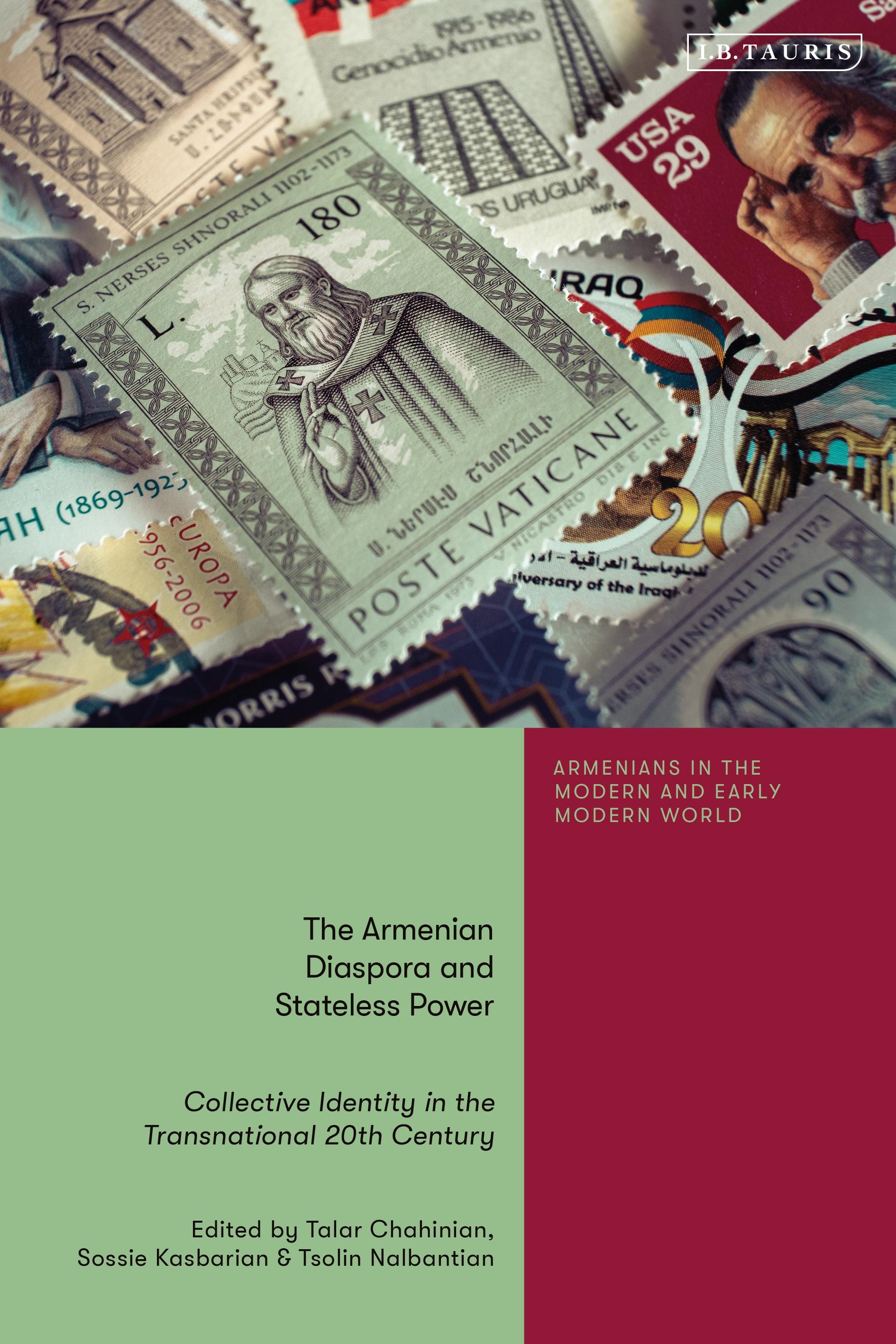
From genocide, forced displacement, and emigration, to the gradual establishment of sedentary and rooted global communities, how has the Armenian diaspora formed and maintained a sense of collective identity? This book explores the richness and magnitude of the Armenian experience through the 20th century to examine how Armenian diaspora elites and their institutions emerged in the post-genocide period and used “stateless power” to compose forms of social discipline. Historians, cultural theorists, literary critics, sociologists, political scientists, and anthropologists explore how national and transnational institutions were built in far-flung sites from Istanbul, Aleppo, Beirut and Jerusalem to Paris, Los Angeles, and the American mid-west. Exploring literary and cultural production as well as the role of religious institutions, the book probes the history and experience of the Armenian diaspora through the long 20th century, from the role of the fin-de-siècle émigré Armenian press to the experience of Syrian-Armenian asylum seekers in the 21st century. It shows that a diaspora's statelessness can not only be evidence of its power, but also how this “stateless power” acts as an alternative and complement to the nation-state.
Pages: 328
Catégorie: Statsvetenskap & Politik
e-ISBN: 9780755648238
Poids d'expédition: 1.2 kg
Expédié sous: 1-2 jours
Payez facilement par carte, Klarna, Apple Pay ou Google Pay. Pas satisfait ? Vous avez toujours une garantie de remboursement de 14 jours. En savoir plus dans nos conditions. Si vous avez des questions, envoyez-nous un e-mail à hello@memmo.org.
Memmo facilite tes études, où que tu sois dans le monde. On rassemble tes manuels de cours et des outils d'étude intelligents au même endroit : résumés, quiz, podcasts et flashcards. Et il y a Ted, ton compagnon d'étude qui répond à toutes tes questions. Plus de 50 000 étudiants étudient déjà ici – conçu pour t'aider à apprendre plus vite et à moins stresser.