
It is an often ignored but fundamental fact that in the Ottoman world, as in most empires, there were 'first-class' and 'second class' subjects. Among the townspeople, peasants and nomads subject to the sultans, who might be Muslims or non-Muslims, adult Muslim males were first-class subjects and all others, including Muslim boys and women, were of the second class. As for the female members of the elite, while less privileged than the males, in some respects their life chances might be better than those of ordinary women. Even so, they shared the risks of pregnancy, childbirth and epidemic diseases with townswomen of the subject class and to a certain extent, with village women as well. Thus, the study of Ottoman women is indispensable for understanding Ottoman society in general.
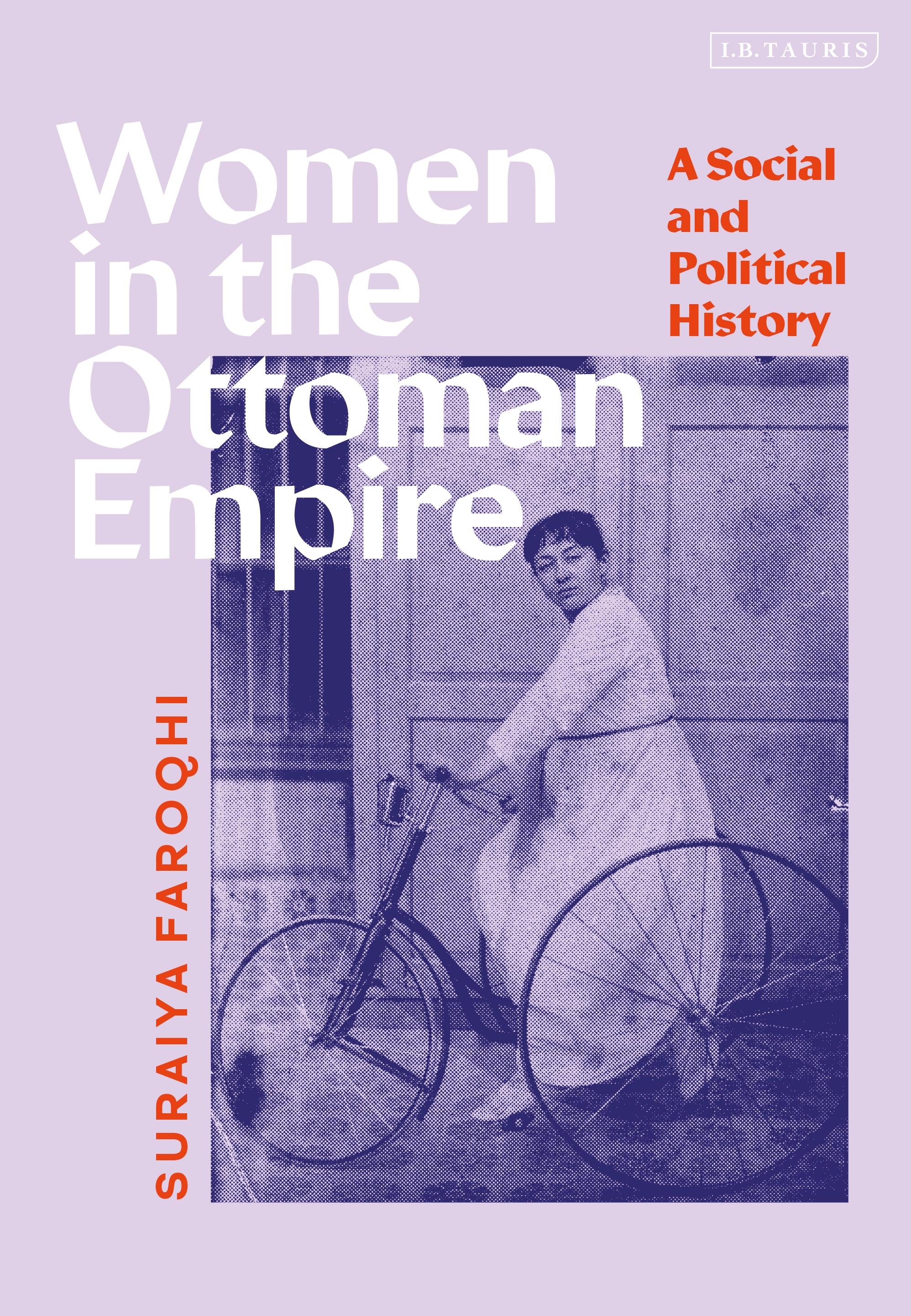
In this book, the agency of women from a diverse range of class, religious, ethnic, and geographic backgrounds is, for the first time, woven into the social and political history of the Ottoman Empire, from the early-modern period to its dissolution in 1918. Suraiya Faroqhi charts the history of elite and non-elite women in thematic chapters concentrating on urban women, family life, work, slavery, education and survival in times of war. In the process the book introduces readers to the key sources, primary and secondary, necessary to reconstruct and understand the ways that females navigated social, legal and economic constraints, through the central prisms of family relations, work and charity. The first introductory social history of women in the Ottoman Empire, and including a timeline and extended further reading section, this book will be essential reading for scholars and students of Ottoman history and the history of women in the Middle East.
In this book, the agency of women from a diverse range of class, religious, ethnic, and geographic backgrounds is, for the first time, woven into the social and political history of the Ottoman Empire, from the early-modern period to its dissolution in 1918. Suraiya Faroqhi charts the history of elite and non-elite women in thematic chapters concentrating on urban women, family life, work, slavery, education and survival in times of war. In the process the book introduces readers to the key sources, primary and secondary, necessary to reconstruct and understand the ways that females navigated social, legal and economic constraints, through the central prisms of family relations, work and charity. The first introductory social history of women in the Ottoman Empire, and including a timeline and extended further reading section, this book will be essential reading for scholars and students of Ottoman history and the history of women in the Middle East.
Payez facilement par carte, Klarna, Apple Pay ou Google Pay. Pas satisfait ? Vous avez toujours une garantie de remboursement de 14 jours. En savoir plus dans nos conditions. Si vous avez des questions, envoyez-nous un e-mail à hello@memmo.org.
Memmo facilite tes études, où que tu sois dans le monde. On rassemble tes manuels de cours et des outils d'étude intelligents au même endroit : résumés, quiz, podcasts et flashcards. Et il y a Ted, ton compagnon d'étude qui répond à toutes tes questions. Plus de 50 000 étudiants étudient déjà ici – conçu pour t'aider à apprendre plus vite et à moins stresser.