
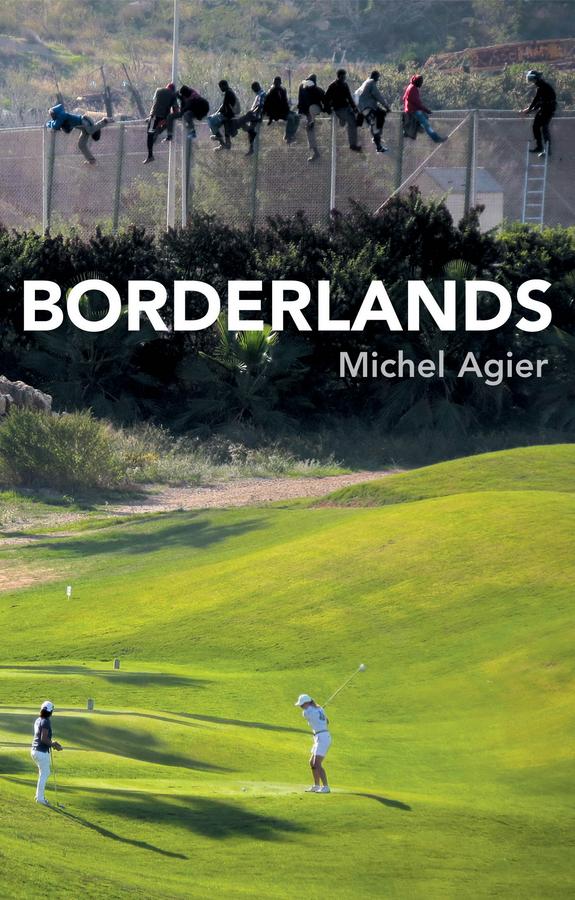
The images of migrants and refugees arriving in precarious boats on the shores of southern Europe, and of the makeshift camps that have sprung up in Lesbos, Lampedusa, Calais and elsewhere, have become familiar sights on television screens around the world. But what do we know about the border places these liminal zones between countries and continents that have become the focus of so much attention and anxiety today, and what do we know about the individuals who occupy these places?
In this timely book, anthropologist Michel Agier addresses these questions and examines the character of the borderlands that emerge on the margins of nation-states. Drawing on his ethnographic fieldwork, he shows that borders, far from disappearing, have acquired a new kind of centrality in our societies, becoming reference points for the growing numbers of people who do not find a place in the countries they wish to reach. They have become the site for a new kind of subject, the border dweller, who is both �inside� and �outside�, enclosed on the one hand and excluded on the other, and who is obliged to learn, under harsh conditions, the ways of the world and of other people. In this respect, the lives of migrants, even in the uncertainties or dangers of the borderlands, tell us something about the condition in which everyone is increasingly living today, a �cosmopolitan condition� in which the experience of the unfamiliar is more common and the relation between self and other is in constant renewal.
In this timely book, anthropologist Michel Agier addresses these questions and examines the character of the borderlands that emerge on the margins of nation-states. Drawing on his ethnographic fieldwork, he shows that borders, far from disappearing, have acquired a new kind of centrality in our societies, becoming reference points for the growing numbers of people who do not find a place in the countries they wish to reach. They have become the site for a new kind of subject, the border dweller, who is both �inside� and �outside�, enclosed on the one hand and excluded on the other, and who is obliged to learn, under harsh conditions, the ways of the world and of other people. In this respect, the lives of migrants, even in the uncertainties or dangers of the borderlands, tell us something about the condition in which everyone is increasingly living today, a �cosmopolitan condition� in which the experience of the unfamiliar is more common and the relation between self and other is in constant renewal.
Payez facilement par carte, Klarna, Apple Pay ou Google Pay. Pas satisfait ? Vous avez toujours une garantie de remboursement de 14 jours. En savoir plus dans nos conditions. Si vous avez des questions, envoyez-nous un e-mail à hello@memmo.org.
Memmo facilite tes études, où que tu sois dans le monde. On rassemble tes manuels de cours et des outils d'étude intelligents au même endroit : résumés, quiz, podcasts et flashcards. Et il y a Ted, ton compagnon d'étude qui répond à toutes tes questions. Plus de 50 000 étudiants étudient déjà ici – conçu pour t'aider à apprendre plus vite et à moins stresser.
Tu pourrais aussi aimer
Acheter le livre0