
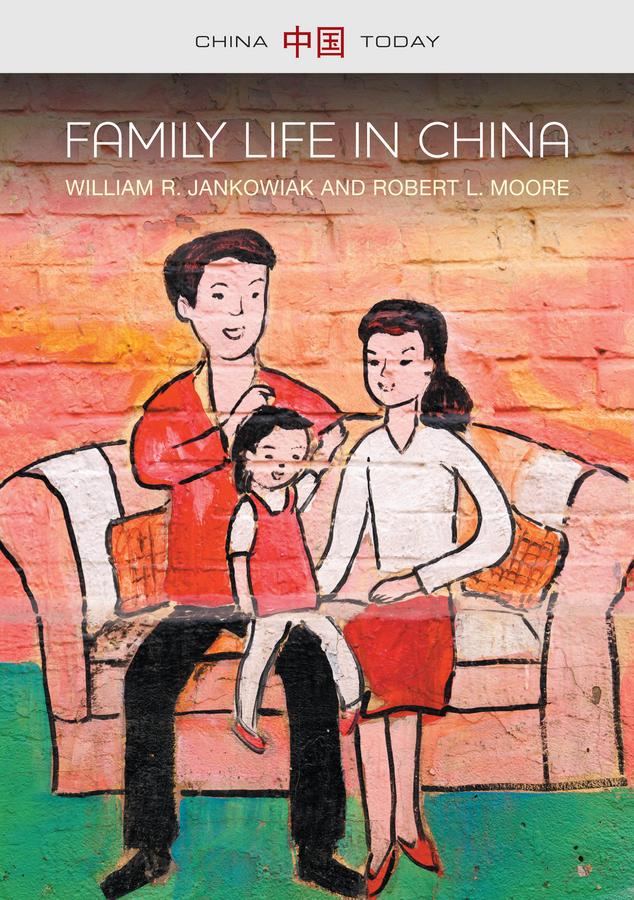
The family has long been viewed as both a microcosm of the state and a barometer of social change in China. It is no surprise, therefore, that the dramatic changes experienced by Chinese society over the past century have produced a wide array of new family systems.
Where a widely accepted Confucian-based ideology once offered a standard framework for family life, current ideas offer no such uniformity. Ties of affection rather than duty have become prominent in determining what individuals feel they owe to their spouses, parents, children, and others. Chinese millennials, facing a world of opportunities and, at the same time, feeling a sense of heavy obligation, are reshaping patterns of courtship, marriage, and filiality in ways that were not foreseen by their parents nor by the authorities of the Chinese state. Those whose roots are in the countryside but who have left their homes to seek opportunity and adventure in the city face particular pressures as do the children and elders they have left behind. The authors explore this diversity focusing on rural vs. urban differences, regionalism, and ethnic diversity within China.
Family Life in China presents new perspectives on what the current changes in this institution imply for a rapidly changing society.
Payez facilement par carte, Klarna, Apple Pay ou Google Pay. Pas satisfait ? Vous avez toujours une garantie de remboursement de 14 jours. En savoir plus dans nos conditions. Si vous avez des questions, envoyez-nous un e-mail à hello@memmo.org.
Memmo facilite tes études, où que tu sois dans le monde. On rassemble tes manuels de cours et des outils d'étude intelligents au même endroit : résumés, quiz, podcasts et flashcards. Et il y a Ted, ton compagnon d'étude qui répond à toutes tes questions. Plus de 50 000 étudiants étudient déjà ici – conçu pour t'aider à apprendre plus vite et à moins stresser.