
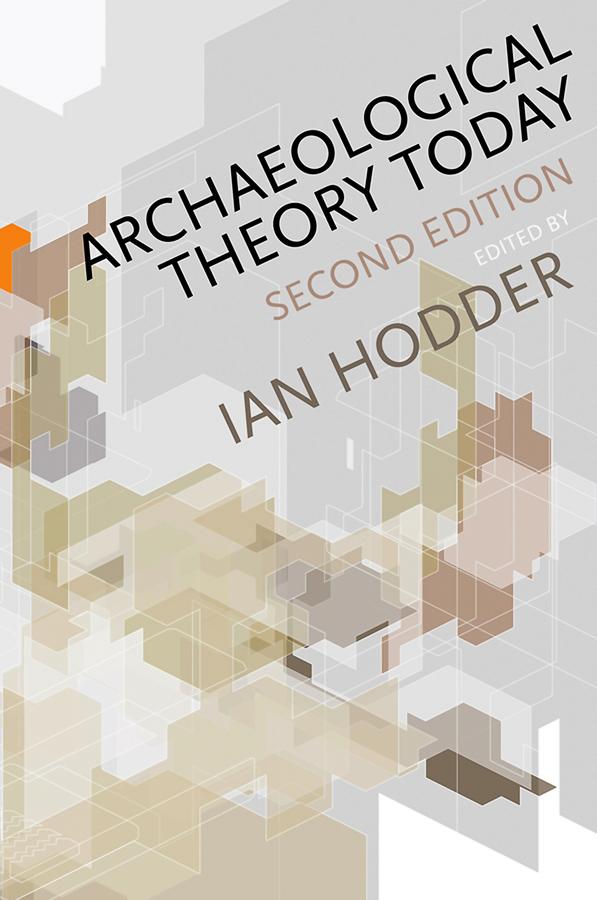
Now in a revised and updated second edition, this volume provides an authoritative account of the current status of archaeological theory, as presented by some of its major exponents and innovators over recent decades. It summarizes the latest developments in the field and looks to its future, exploring some of the cutting-edge ideas at the forefront of the discipline.
The volume captures the diversity of contemporary archaeological theory. Some authors argue for an approach close to the natural sciences, others for an engagement with cultural debate about representation of the past. Some minimize the relevance of culture to societal change, while others see it as central; some focus on the contingent and the local, others on long-term evolution. While few practitioners in theoretical archaeology would today argue for a unified disciplinary approach, the authors in this volume increasingly see links and convergences between their perspectives.
The volume also reflects archaeology's new openness to external influences, as well as the desire to contribute to wider debates. The contributors examine ways in which archaeological evidence contributes to theories of evolutionary psychology, as well as to the social sciences in general, where theories of social relationships, agency, landscape and identity are informed by the long-term perspective of archaeology.
The new edition of Archaeological Theory Today will continue to be essential reading for students and scholars in archaeology and in the social sciences more generally.
The volume captures the diversity of contemporary archaeological theory. Some authors argue for an approach close to the natural sciences, others for an engagement with cultural debate about representation of the past. Some minimize the relevance of culture to societal change, while others see it as central; some focus on the contingent and the local, others on long-term evolution. While few practitioners in theoretical archaeology would today argue for a unified disciplinary approach, the authors in this volume increasingly see links and convergences between their perspectives.
The volume also reflects archaeology's new openness to external influences, as well as the desire to contribute to wider debates. The contributors examine ways in which archaeological evidence contributes to theories of evolutionary psychology, as well as to the social sciences in general, where theories of social relationships, agency, landscape and identity are informed by the long-term perspective of archaeology.
The new edition of Archaeological Theory Today will continue to be essential reading for students and scholars in archaeology and in the social sciences more generally.
Payez facilement par carte, Klarna, Apple Pay ou Google Pay. Pas satisfait ? Vous avez toujours une garantie de remboursement de 14 jours. En savoir plus dans nos conditions. Si vous avez des questions, envoyez-nous un e-mail à hello@memmo.org.
Memmo facilite tes études, où que tu sois dans le monde. On rassemble tes manuels de cours et des outils d'étude intelligents au même endroit : résumés, quiz, podcasts et flashcards. Et il y a Ted, ton compagnon d'étude qui répond à toutes tes questions. Plus de 50 000 étudiants étudient déjà ici – conçu pour t'aider à apprendre plus vite et à moins stresser.
Tu pourrais aussi aimer
Acheter le livre0