
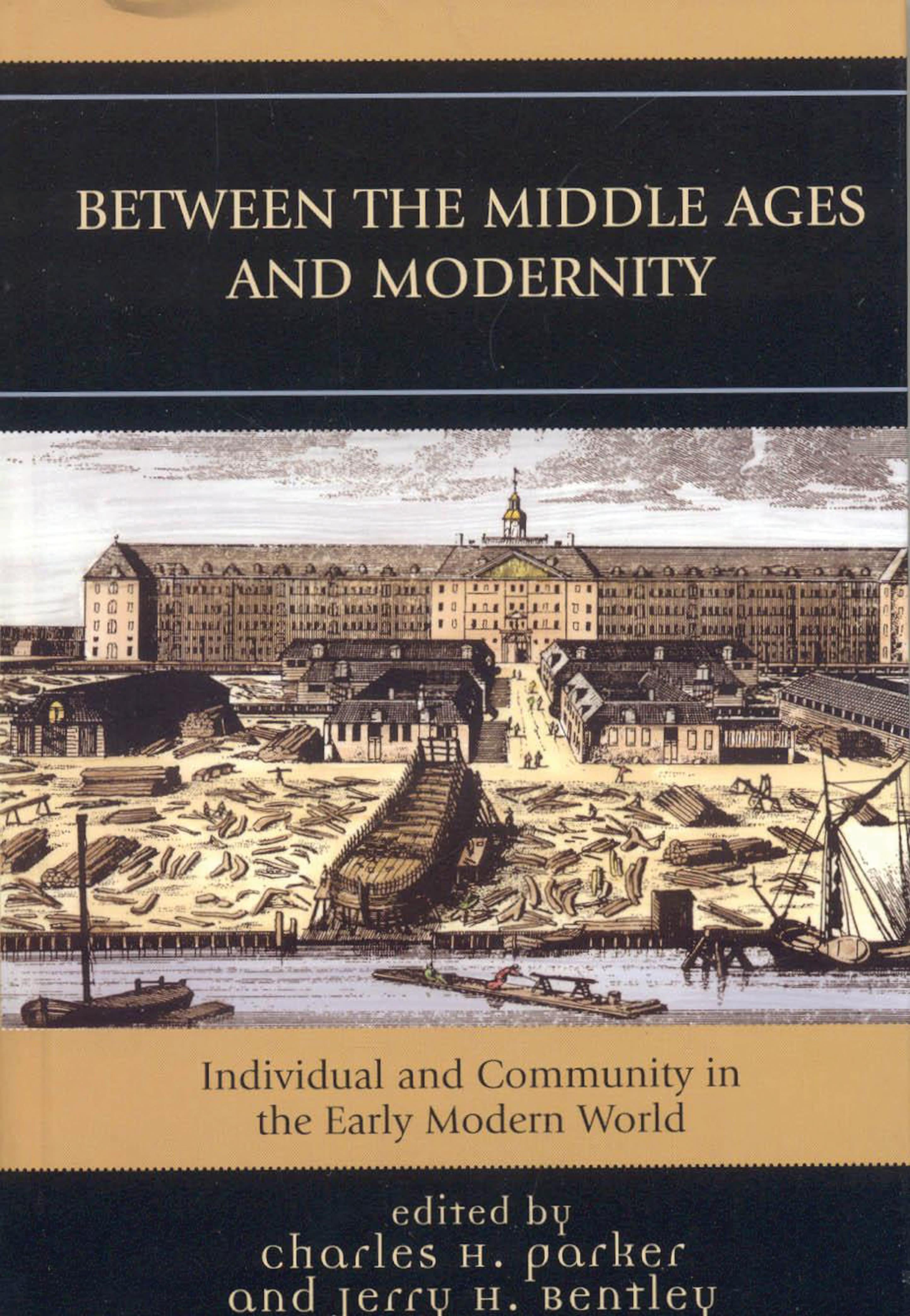
This groundbreaking book examines the complex relationships between individuals and communities during the profound transitions of the early modern period. Historians have traditionally identified the origins of a modern individualist spirit in the European Renaissance and Reformation. Yet since the 1960s, evolving scholarship has challenged this perspective by calling into question its basic assumptions about individualism, its exclusive focus on elite individuals, and its inherent Eurocentric bias. Arguing that individual identity drew from traditional forms of community, these essays by leading scholars convincingly show that individual and community created and recreated one another in the major structures, interactions, and transitions of early modern times. The authors contend that on the one hand, communities provided the stability that allowed for individual agency, even as they imposed new forms of discipline that confined individuals to more rigid moral and social norms. On the other hand, individuals established forms of association to advance their own economic, social, political, and religious agendas. Offering an important contribution to our understanding both of the early modern period and of its historiography, this volume will be an invaluable resource for scholars working in the fields of medieval, early modern, and modern history, and on the Renaissance and Reformation.
Contributions by: Jerry H. Bentley, Thomas A. Brady Jr., Douglas Catterall, Donald J. Harreld, Susan C. Karant-Nunn, Marie Seong-Hak Kim, Henk van Nierop, Charles H. Parker, Michael N. Pearson, Carla Rahn Phillips, William D. Phillips Jr., Elizabeth Bradbury Pollnow, Kathryn L. Reyerson, Hugo de Schepper, Ulrike Strasser, Sanjay Subrahmanyam, and Markus P. M. Vink
Contributions by: Jerry H. Bentley, Thomas A. Brady Jr., Douglas Catterall, Donald J. Harreld, Susan C. Karant-Nunn, Marie Seong-Hak Kim, Henk van Nierop, Charles H. Parker, Michael N. Pearson, Carla Rahn Phillips, William D. Phillips Jr., Elizabeth Bradbury Pollnow, Kathryn L. Reyerson, Hugo de Schepper, Ulrike Strasser, Sanjay Subrahmanyam, and Markus P. M. Vink
Payez facilement par carte, Klarna, Apple Pay ou Google Pay. Pas satisfait ? Vous avez toujours une garantie de remboursement de 14 jours. En savoir plus dans nos conditions. Si vous avez des questions, envoyez-nous un e-mail à hello@memmo.org.
Memmo facilite tes études, où que tu sois dans le monde. On rassemble tes manuels de cours et des outils d'étude intelligents au même endroit : résumés, quiz, podcasts et flashcards. Et il y a Ted, ton compagnon d'étude qui répond à toutes tes questions. Plus de 50 000 étudiants étudient déjà ici – conçu pour t'aider à apprendre plus vite et à moins stresser.