
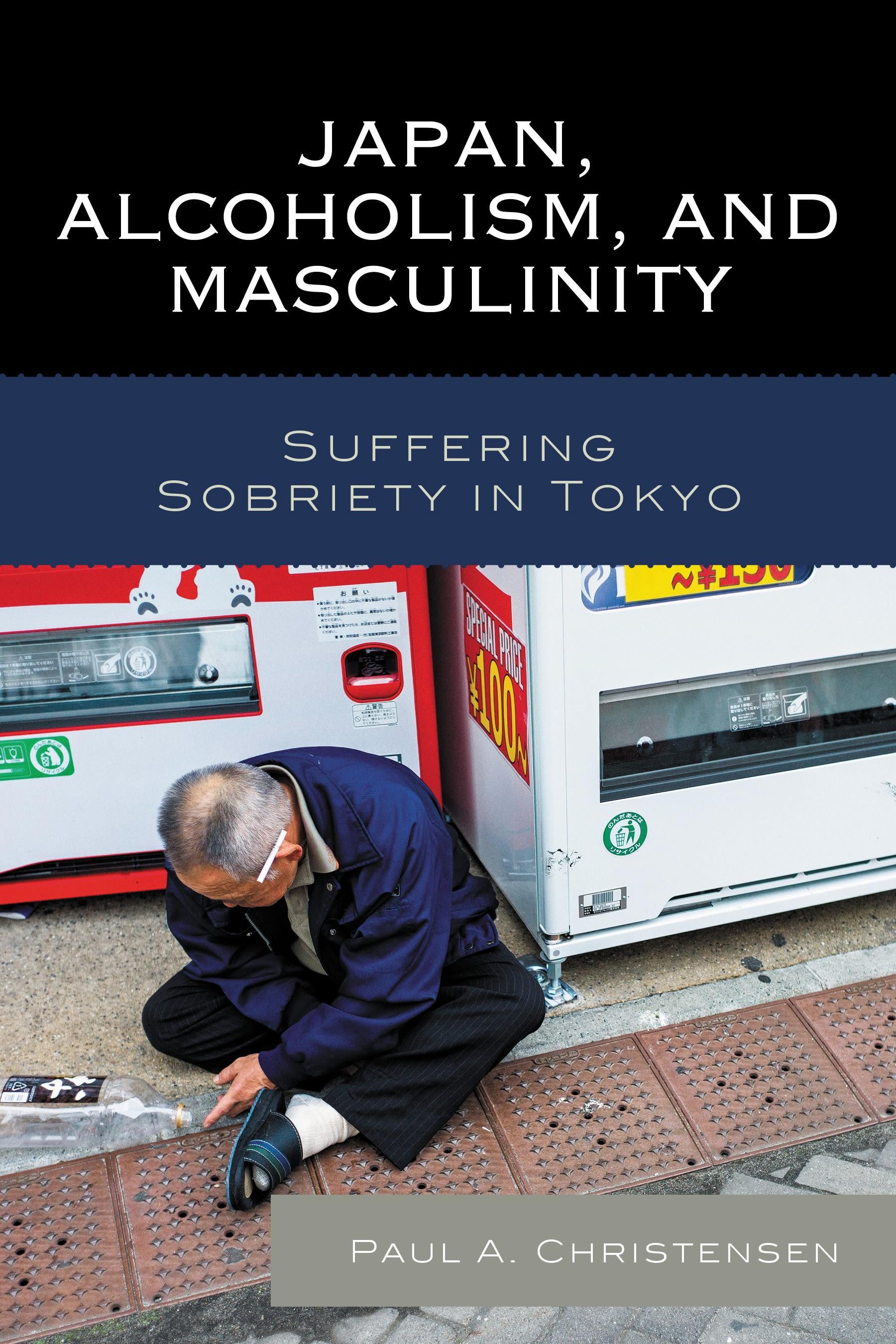
Depictions of an alcohol-saturated Japan populated by intoxicated salarymen, beer dispensing vending machines, and a generally tolerant approach to public drunkenness, typify domestic and international perceptions of Japanese drinking. Even the popular definitions of Japanese masculinity are interwoven with accounts of personal alcohol consumption in public settings; gender norms that exclude and marginalize the alcoholic. And yet the alcoholic also exists in Japan, and exists in a manner revealing of the dominant processes by which alcoholism and addiction are globally influenced, understood, and classified.
As such, this book examines the ways in which alcoholism is understood, accepted, and taken on as an influential and lived aspect of identity among Japanese men. At the most general level, it explores how a subjective idea comes to be regarded as an objective and unassailable fact. Here such a process concerns how the culturally and temporally specific treatment methodology of Alcoholics Anonymous, upon which much of Japan’s other major sobriety association, Danshukai, is also based, has come to be the approach in Japan to diagnosing, treating, and structuring alcoholism as an aspect of individual identity. In particular, the gendered consequences, how this process transpires or is resisted by Japanese men, are considered, as they offer substantial insight into how categories of illness and disease are created, particularly the ramifications of dominant forms of such categorizations across increasingly porous cultural borders. Ramifications that become starkly obvious when Japan’s persistent connection between notions of masculinity and alcohol consumption are considered from the perspective of the sober alcoholic and sobriety group member.
As such, this book examines the ways in which alcoholism is understood, accepted, and taken on as an influential and lived aspect of identity among Japanese men. At the most general level, it explores how a subjective idea comes to be regarded as an objective and unassailable fact. Here such a process concerns how the culturally and temporally specific treatment methodology of Alcoholics Anonymous, upon which much of Japan’s other major sobriety association, Danshukai, is also based, has come to be the approach in Japan to diagnosing, treating, and structuring alcoholism as an aspect of individual identity. In particular, the gendered consequences, how this process transpires or is resisted by Japanese men, are considered, as they offer substantial insight into how categories of illness and disease are created, particularly the ramifications of dominant forms of such categorizations across increasingly porous cultural borders. Ramifications that become starkly obvious when Japan’s persistent connection between notions of masculinity and alcohol consumption are considered from the perspective of the sober alcoholic and sobriety group member.
Pages: 182
Catégorie: Kultur-, Genus- & Postkoloniala studier
e-ISBN: 9780739192054
Poids d'expédition: 1.2 kg
Expédié sous: 1-2 jours
Payez facilement par carte, Klarna, Apple Pay ou Google Pay. Pas satisfait ? Vous avez toujours une garantie de remboursement de 14 jours. En savoir plus dans nos conditions. Si vous avez des questions, envoyez-nous un e-mail à hello@memmo.org.
Memmo facilite tes études, où que tu sois dans le monde. On rassemble tes manuels de cours et des outils d'étude intelligents au même endroit : résumés, quiz, podcasts et flashcards. Et il y a Ted, ton compagnon d'étude qui répond à toutes tes questions. Plus de 50 000 étudiants étudient déjà ici – conçu pour t'aider à apprendre plus vite et à moins stresser.