
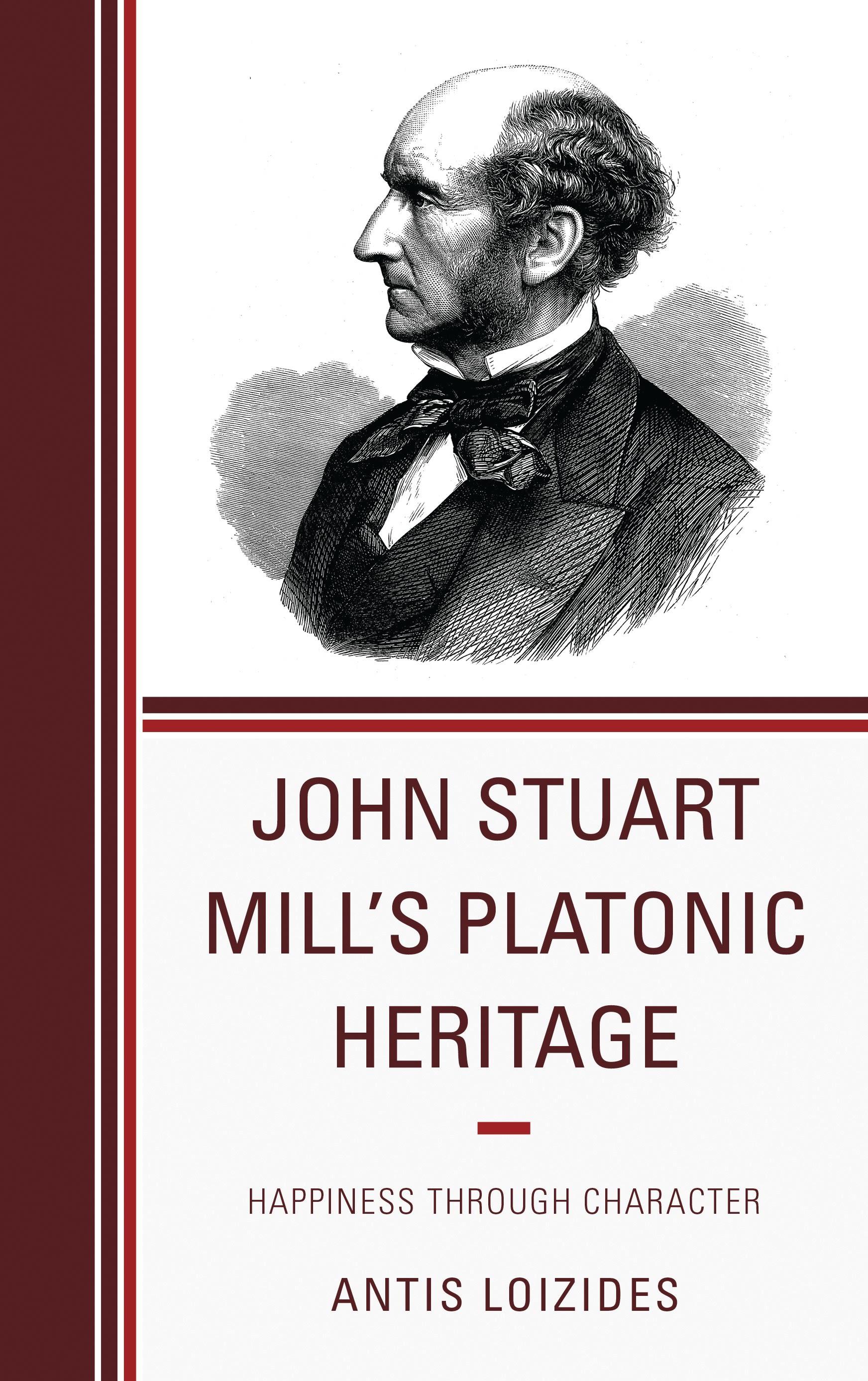
In the early draft of his Autobiography (London, 1873), John Stuart Mill described himself as “a pupil of Plato, and cast in the mould of his dialectics.” However, how Plato’s influence came about, to what extent, and with regard to which aspects of Mill’s thought, form questions that do not usually preoccupy Mill scholarship. To fill this gap in critical attention, this book draws upon a variety of primary sources to pay particular attention to Mill’s concern with reform, method, character, virtue, and happiness through his reading of the ancient Greeks—particularly Plato. At the same time, this book focuses on the intellectual relationship between father and son, studying their responses to the prevalent trends as to the worth of classical studies and of Platonic philosophy in nineteenth-century Britain. Not only does John Stuart Mill’s “intoxication” with ancient Greece manifest itself in all those aspects of his works already mentioned; but—what is most important—it also permeates his unvarying aim: the improvement of mankind through the improvement of its individual members.
Payez facilement par carte, Klarna, Apple Pay ou Google Pay. Pas satisfait ? Vous avez toujours une garantie de remboursement de 14 jours. En savoir plus dans nos conditions. Si vous avez des questions, envoyez-nous un e-mail à hello@memmo.org.
Memmo facilite tes études, où que tu sois dans le monde. On rassemble tes manuels de cours et des outils d'étude intelligents au même endroit : résumés, quiz, podcasts et flashcards. Et il y a Ted, ton compagnon d'étude qui répond à toutes tes questions. Plus de 50 000 étudiants étudient déjà ici – conçu pour t'aider à apprendre plus vite et à moins stresser.