
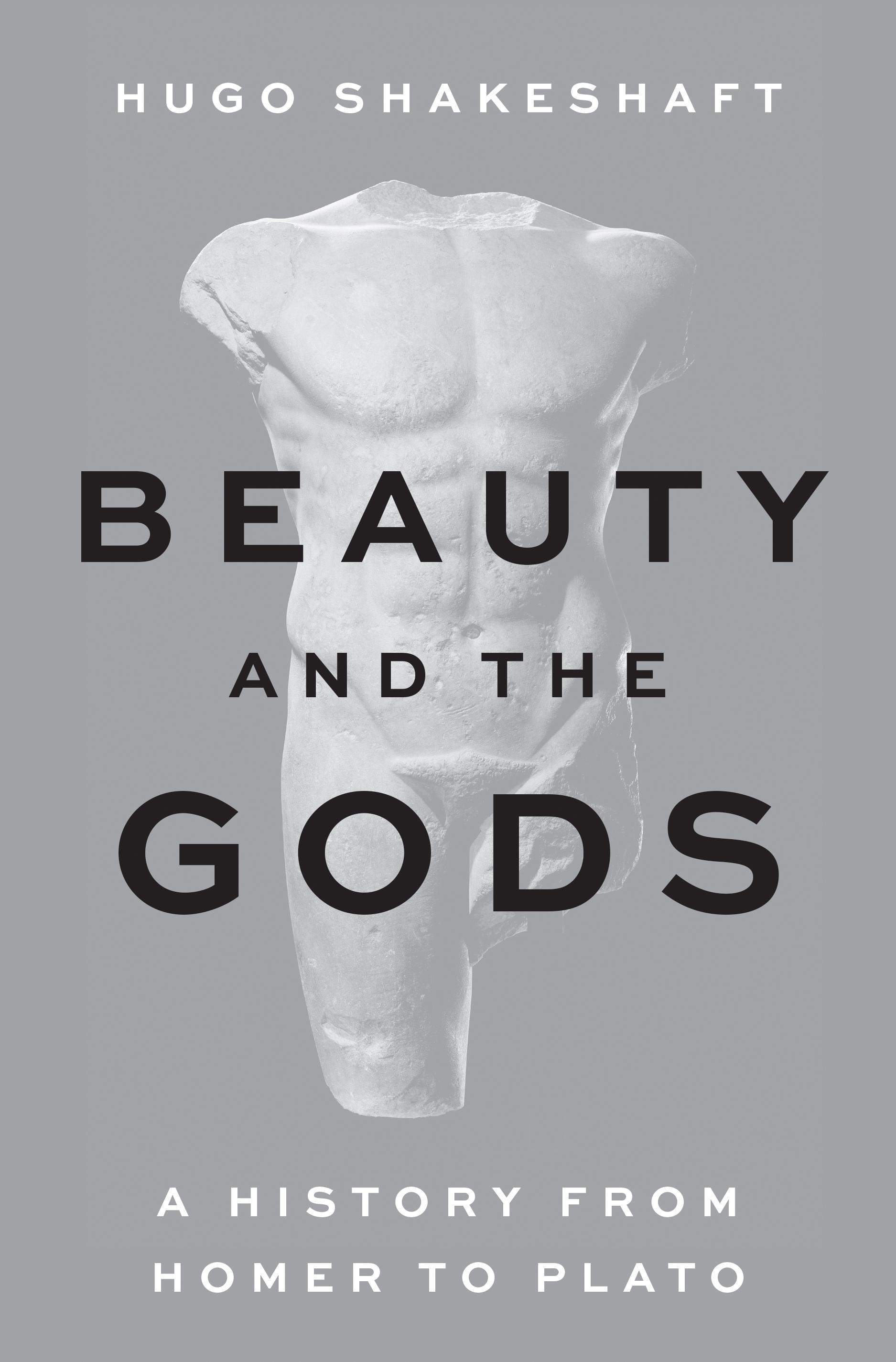
How ideas and experiences of beauty informed human relationships with the divine in ancient Greece
Beginning with the earliest Greek literature, the epics of Homer and Hesiod, beauty was seen as having a special connection with the divine. The gods of ancient Greece were defined by their exceptional beauty; even today, ‘to look like a Greek god’ is proverbial for human beauty. In Beauty and the Gods, Hugo Shakeshaft explores the relationship between the beautiful and divine in ancient Greece, principally in the Archaic period (ca. 750–480 BCE). Analysing evidence that ranges from poetry, art, and philosophical texts to architecture and the natural landscape, Shakeshaft shows how ideas and experiences of beauty shaped Greek relations with the divine.
With a powerful call for the place of beauty and aesthetics in the writing of history, Shakeshaft uncovers the cultural dialogue between beauty and the gods in a variety of contexts in the Archaic Greek world: in forms of divine worship; in poetry, music, and dance; in attitudes to the natural environment; and in architecture and art. This early chapter of Greek history, he argues, holds an unrecognised key to understanding some long-running threads in the histories of religion, art, and aesthetics, from Plato’s aesthetic theories to beauty’s status in contemporary discourse. Beauty’s deep past and divine connection in ancient Greece can help us see beauty now in sharper focus.
Payez facilement par carte, Klarna, Apple Pay ou Google Pay. Pas satisfait ? Vous avez toujours une garantie de remboursement de 14 jours. En savoir plus dans nos conditions. Si vous avez des questions, envoyez-nous un e-mail à hello@memmo.org.
Memmo facilite tes études, où que tu sois dans le monde. On rassemble tes manuels de cours et des outils d'étude intelligents au même endroit : résumés, quiz, podcasts et flashcards. Et il y a Ted, ton compagnon d'étude qui répond à toutes tes questions. Plus de 50 000 étudiants étudient déjà ici – conçu pour t'aider à apprendre plus vite et à moins stresser.