
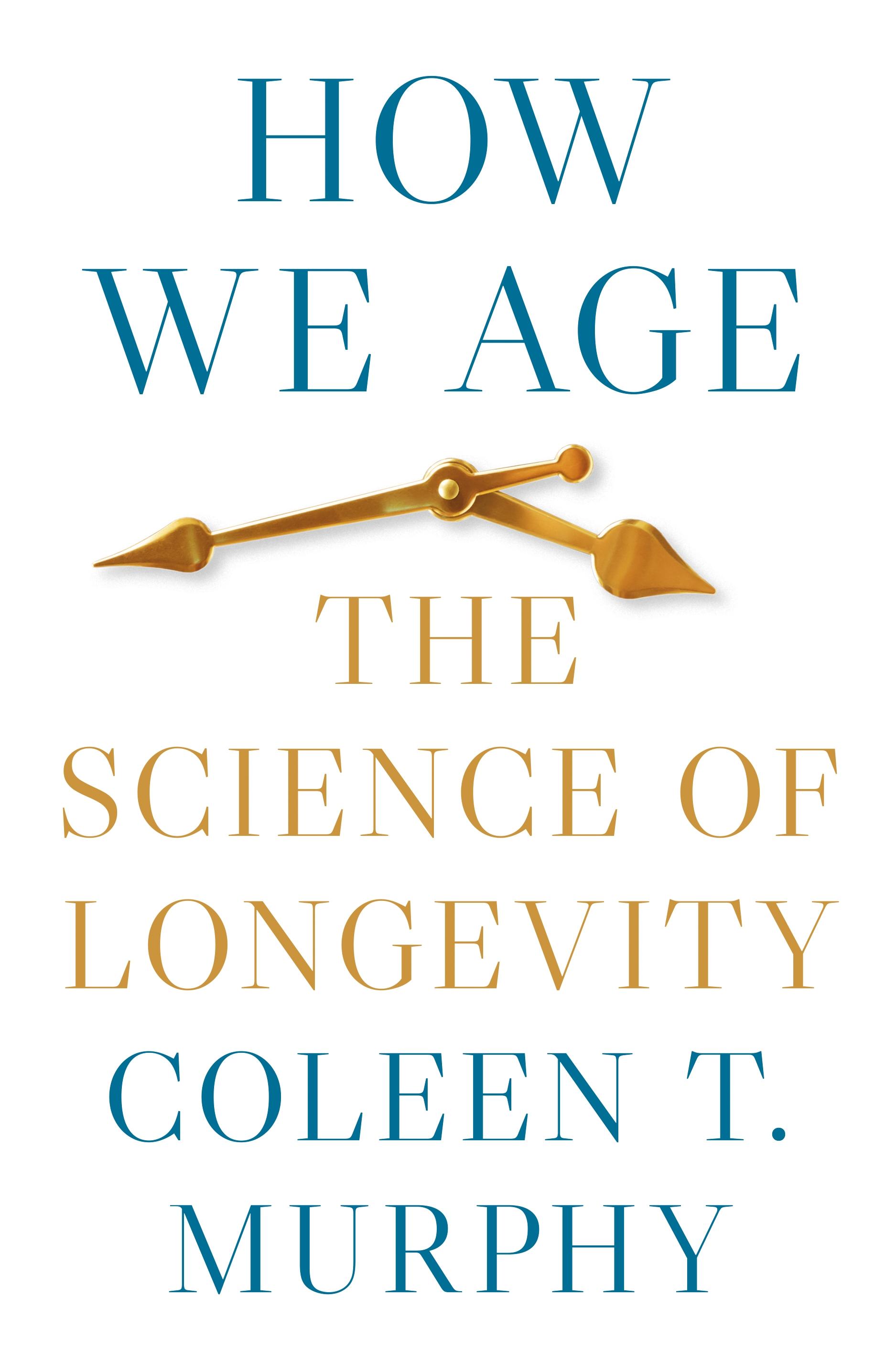
How recent breakthroughs in longevity research offer clues about human aging
All of us would like to live longer, or to slow the debilitating effects of age. In How We Age, Coleen Murphy shows how recent research on longevity and aging may be bringing us closer to this goal. Murphy, a leading scholar of aging, explains that the study of model systems, particularly simple invertebrate animals, combined with breakthroughs in genomic methods, have allowed scientists to probe the molecular mechanisms of longevity and aging. Understanding the fundamental biological rules that govern aging in model systems provides clues about how we might slow human aging, which could lead in turn to new therapeutics and treatments for age-related disease.
Among other vivid examples, Murphy describes research that shows how changing a single gene in the nematode worm C. elegans doubles its lifespan, extending not only the end of life but also the youthful, healthy part of life. Drawing on work in her own lab as well as other recent research, Murphy chronicles the history and current state of the field, explaining longevity’s links to reproduction and mating, sensory and cognitive function, inheritances from our ancestors, and the gut microbiome. Written with clarity and wit, How We Age provides a guide to the science: what we know about aging, how we know what we know, and what we can do with this new knowledge.
Payez facilement par carte, Klarna, Apple Pay ou Google Pay. Pas satisfait ? Vous avez toujours une garantie de remboursement de 14 jours. En savoir plus dans nos conditions. Si vous avez des questions, envoyez-nous un e-mail à hello@memmo.org.
Memmo facilite tes études, où que tu sois dans le monde. On rassemble tes manuels de cours et des outils d'étude intelligents au même endroit : résumés, quiz, podcasts et flashcards. Et il y a Ted, ton compagnon d'étude qui répond à toutes tes questions. Plus de 50 000 étudiants étudient déjà ici – conçu pour t'aider à apprendre plus vite et à moins stresser.