
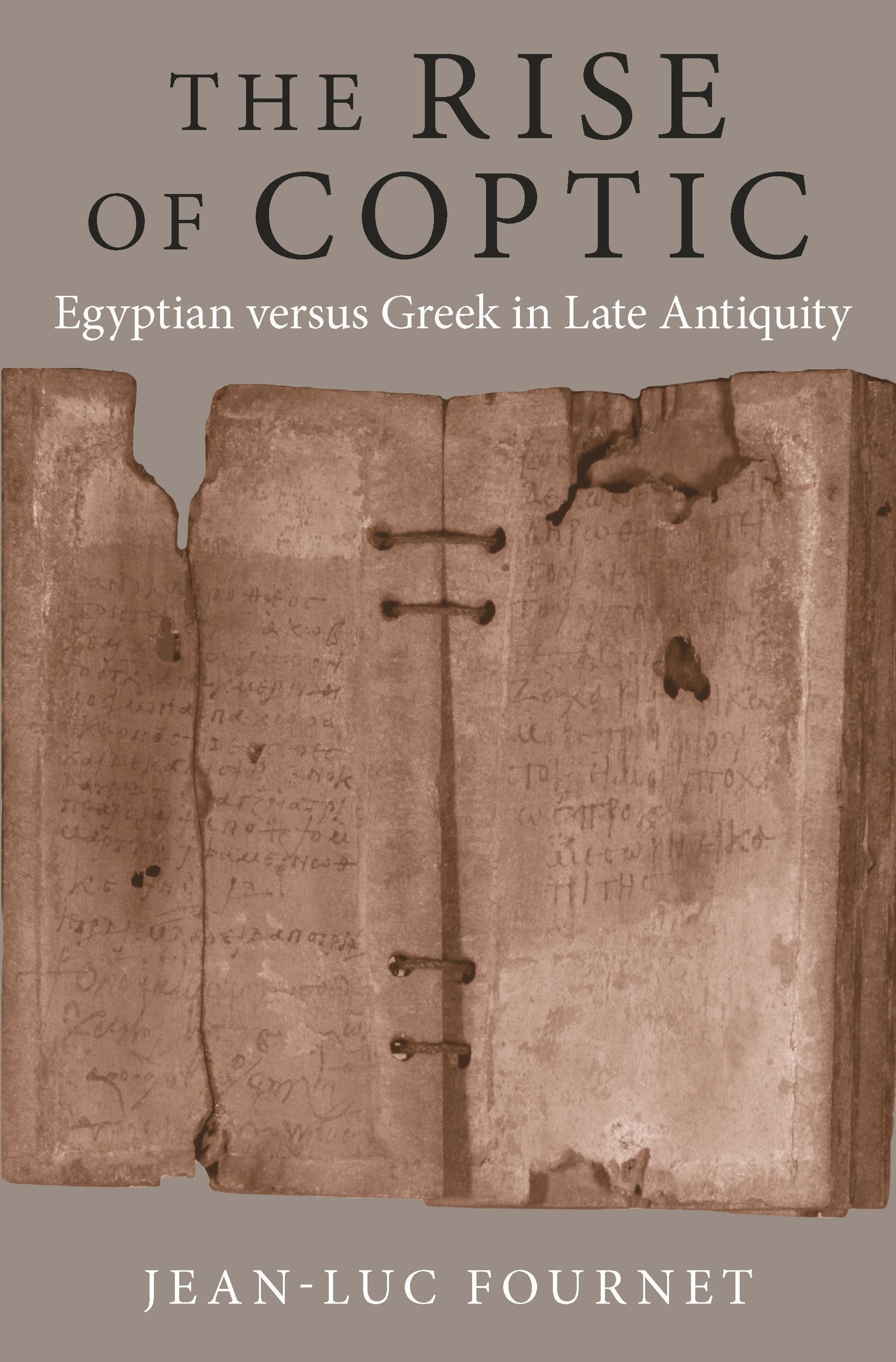
Coptic emerged as the written form of the Egyptian language in the third century, when Greek was still the official language in Egypt. By the time of the Arab conquest of Egypt in 641, Coptic had almost achieved official status, but only after an unusually prolonged period of stagnation. Jean-Luc Fournet traces this complex history, showing how the rise of Coptic took place amid profound cultural, religious, and political changes in late antiquity.
For some three hundred years after its introduction into the written culture of Egypt, Coptic was limited to biblical translation and private and monastic correspondence, while Greek retained its monopoly on administrative, legal, and literary writing. This changed during the sixth century, when Coptic began to penetrate domains that were once closed to it, such as literature, liturgy, regulated transactions between individuals, and communications between the state and its subjects. Fournet examines the reasons for Coptic's late development as a competing language—which was unlike what happened with other vernacular languages in Near Eastern Greek-speaking societies—and explains why Coptic eventually succeeded in being recognized with Greek as an official language.
Incisively written and rich with insights, The Rise of Coptic draws on a wealth of archival evidence to shed new light on the role of monasticism in the growing use of Coptic before the Arab conquest.
Payez facilement par carte, Klarna, Apple Pay ou Google Pay. Pas satisfait ? Vous avez toujours une garantie de remboursement de 14 jours. En savoir plus dans nos conditions. Si vous avez des questions, envoyez-nous un e-mail à hello@memmo.org.
Memmo facilite tes études, où que tu sois dans le monde. On rassemble tes manuels de cours et des outils d'étude intelligents au même endroit : résumés, quiz, podcasts et flashcards. Et il y a Ted, ton compagnon d'étude qui répond à toutes tes questions. Plus de 50 000 étudiants étudient déjà ici – conçu pour t'aider à apprendre plus vite et à moins stresser.