
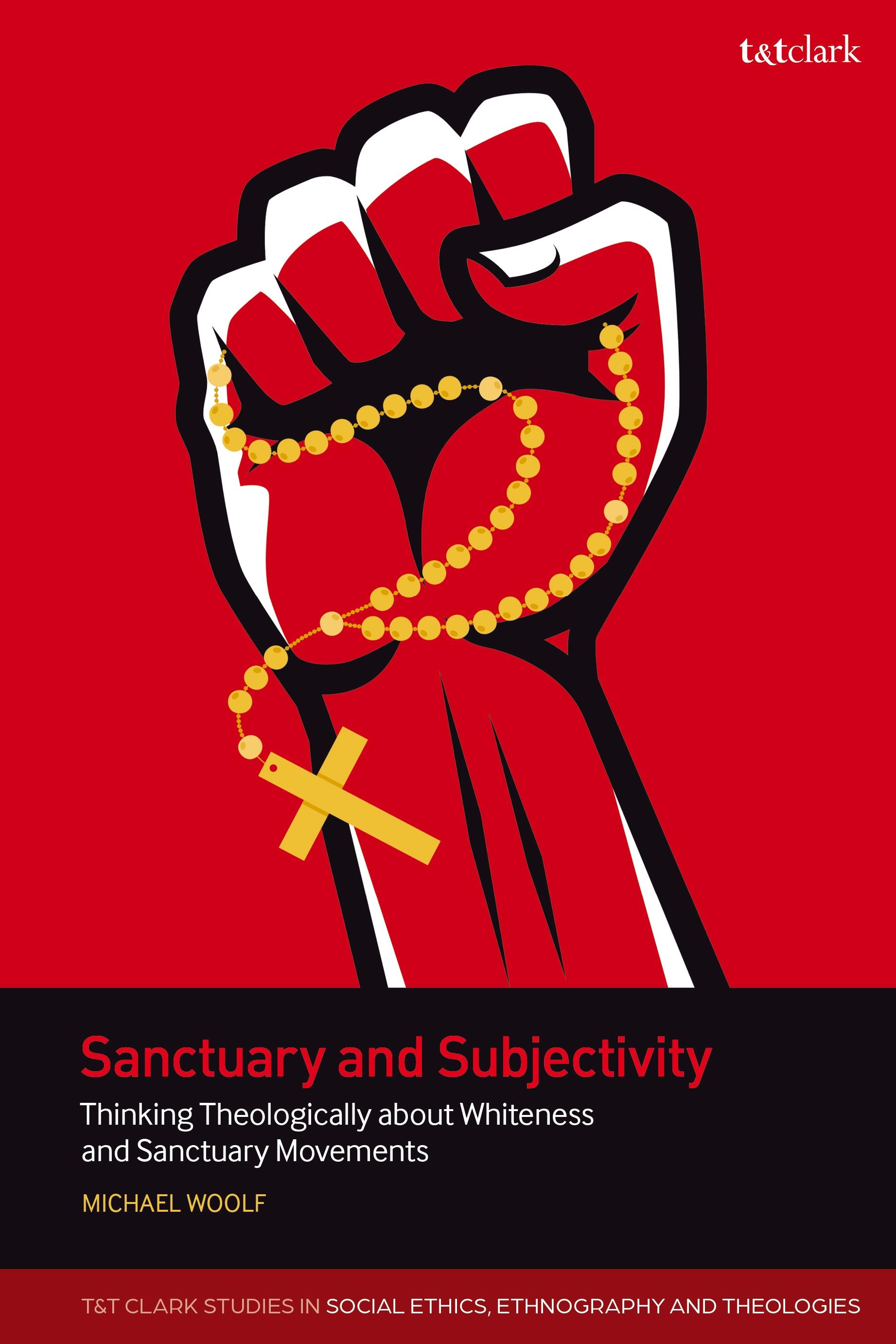
The Sanctuary Movement of the 1980s was a movement led by white religious liberals that housed Central Americans fleeing dictatorships supported by the United States government, giving them a platform to speak about the situation in their countries of origin.
This book focuses on the movement's whiteness by centering the voices of recipients of sanctuary and taking their critiques seriously. The result is an account of the movement that takes seriously the agential limitations of sanctuary and the struggles for agency by recipients.
Using interviews with participants in the movement as well auto-ethnographic research as the white pastor of a church in the New Sanctuary Movement, this book situates the sanctuary as site for theological reflection on some of the most pressing issues facing the Church today – the possibilities of testimony, the Holy Spirit, ecclesiology, and mercy. In doing so, it proposes a new theoretical framework for thinking about practice by introducing readers to Judith Butler's theories of subjectivation and arguing for ethnographically engaged theology that is able to think beyond virtue and excellence towards an understanding of fugitivity.
This book focuses on the movement's whiteness by centering the voices of recipients of sanctuary and taking their critiques seriously. The result is an account of the movement that takes seriously the agential limitations of sanctuary and the struggles for agency by recipients.
Using interviews with participants in the movement as well auto-ethnographic research as the white pastor of a church in the New Sanctuary Movement, this book situates the sanctuary as site for theological reflection on some of the most pressing issues facing the Church today – the possibilities of testimony, the Holy Spirit, ecclesiology, and mercy. In doing so, it proposes a new theoretical framework for thinking about practice by introducing readers to Judith Butler's theories of subjectivation and arguing for ethnographically engaged theology that is able to think beyond virtue and excellence towards an understanding of fugitivity.
Payez facilement par carte, Klarna, Apple Pay ou Google Pay. Pas satisfait ? Vous avez toujours une garantie de remboursement de 14 jours. En savoir plus dans nos conditions. Si vous avez des questions, envoyez-nous un e-mail à hello@memmo.org.
Memmo facilite tes études, où que tu sois dans le monde. On rassemble tes manuels de cours et des outils d'étude intelligents au même endroit : résumés, quiz, podcasts et flashcards. Et il y a Ted, ton compagnon d'étude qui répond à toutes tes questions. Plus de 50 000 étudiants étudient déjà ici – conçu pour t'aider à apprendre plus vite et à moins stresser.