
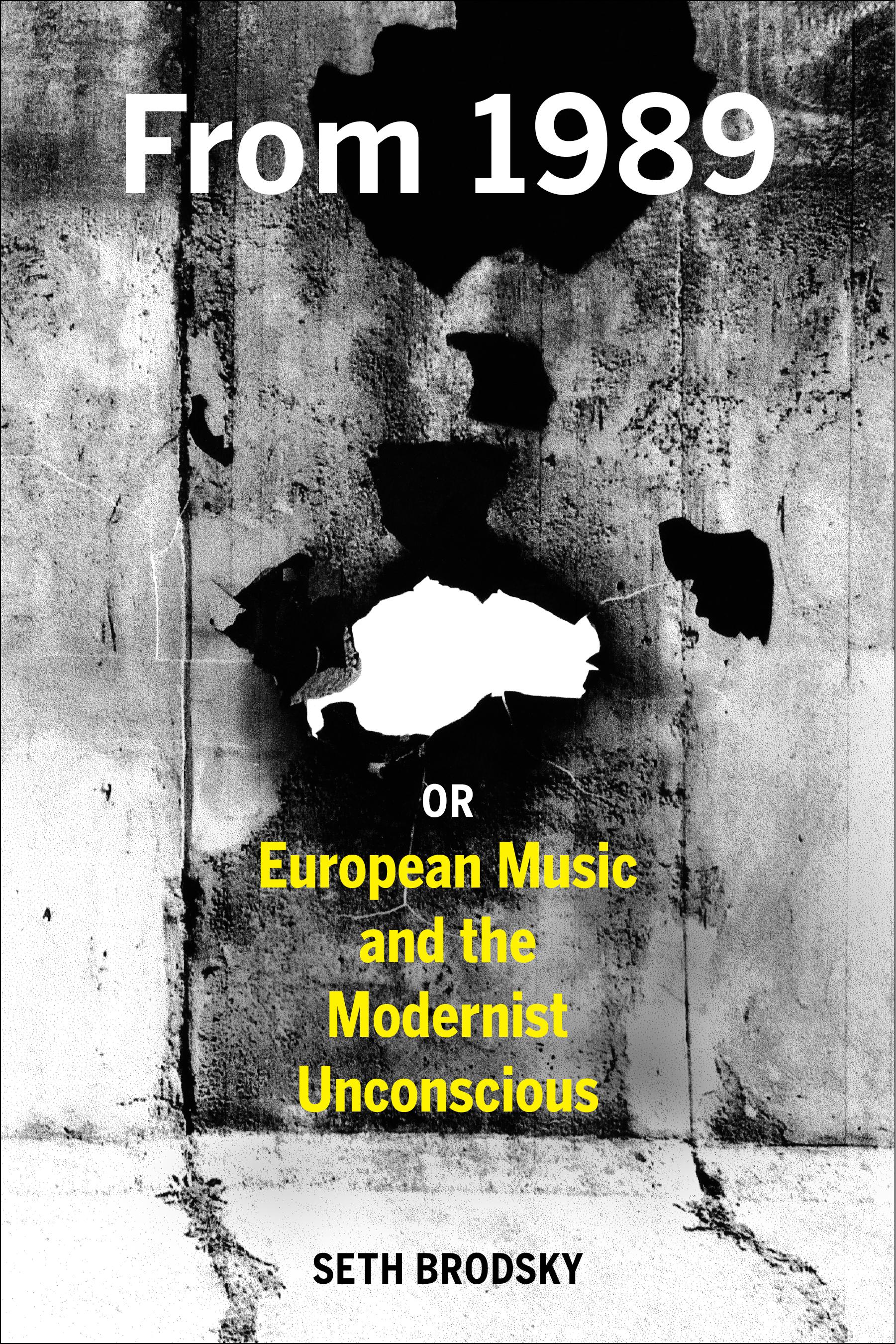
What happened to musical modernism? When did it end? Did it end? In this unorthodox Lacanian account of European New Music, Seth Brodsky focuses on the unlikely year 1989, when New Music hardly takes center stage. Instead one finds Rostropovich playing Bach at Checkpoint Charlie; or Bernstein changing “Joy” to “Freedom” in Beethoven’s Ninth; or David Hasselhoff lip-synching “Looking for Freedom” to thousands on New Year’s Eve. But if such spectacles claim to master their historical moment, New Music unconsciously takes the role of analyst. In so doing, it restages earlier scenes of modernism. As world politics witnesses a turning away from the possibility of revolution, musical modernism revolves in place, performing century-old tasks of losing, failing, and beginning again, in preparation for a revolution to come.
Payez facilement par carte, Klarna, Apple Pay ou Google Pay. Pas satisfait ? Vous avez toujours une garantie de remboursement de 14 jours. En savoir plus dans nos conditions. Si vous avez des questions, envoyez-nous un e-mail à hello@memmo.org.
Memmo facilite tes études, où que tu sois dans le monde. On rassemble tes manuels de cours et des outils d'étude intelligents au même endroit : résumés, quiz, podcasts et flashcards. Et il y a Ted, ton compagnon d'étude qui répond à toutes tes questions. Plus de 50 000 étudiants étudient déjà ici – conçu pour t'aider à apprendre plus vite et à moins stresser.
Tu pourrais aussi aimer
Acheter le livre0