
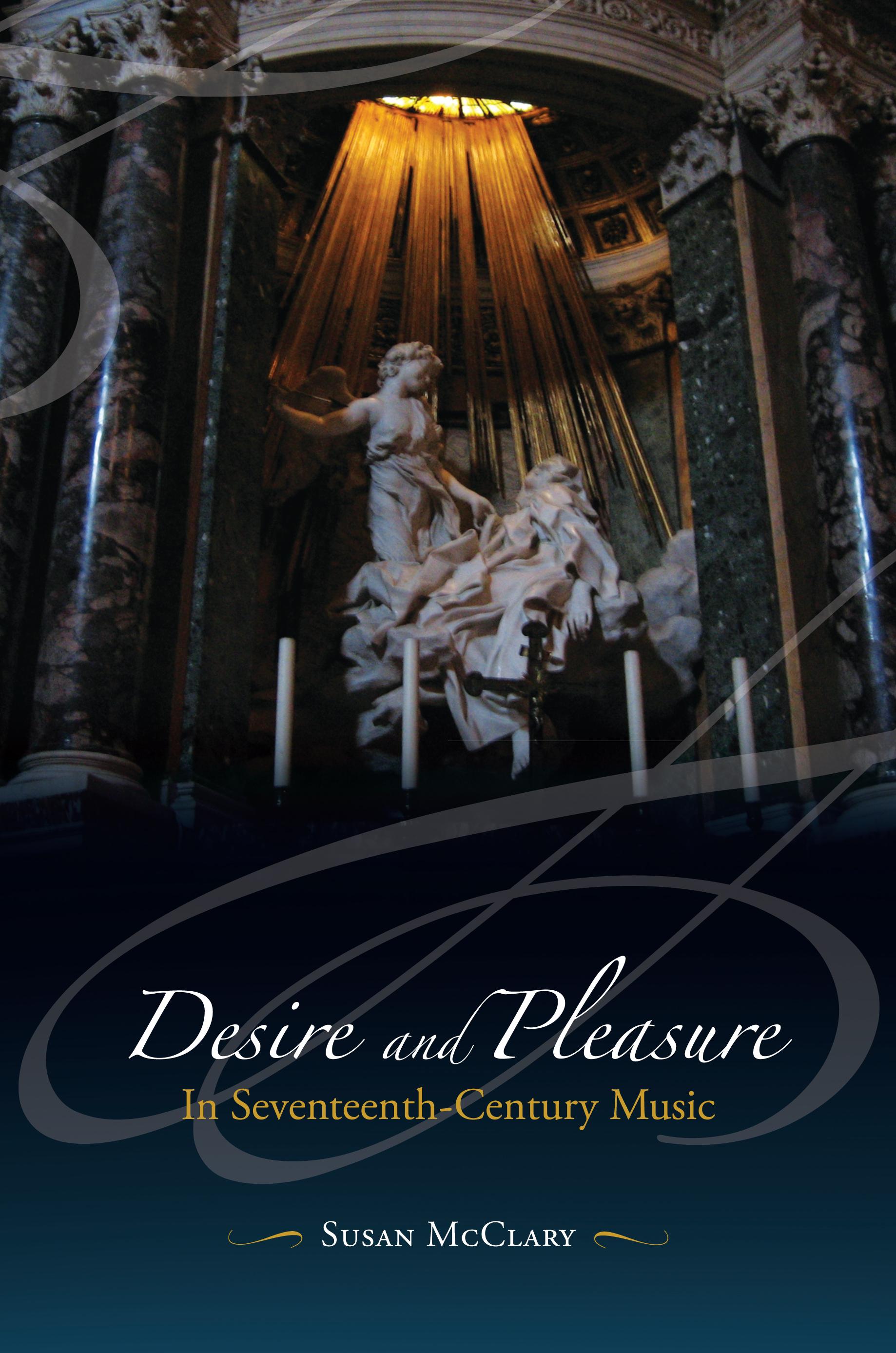
In this book, Susan McClary examines the mechanisms through which seventeenth-century musicians simulated extreme affective states—desire, divine rapture, and ecstatic pleasure. She demonstrates how every major genre of the period, from opera to religious music to instrumental pieces based on dances, was part of this striving for heightened passions by performers and listeners. While she analyzes the social and historical reasons for the high value placed on expressive intensity in both secular and sacred music, and she also links desire and pleasure to the many technical innovations of the period. McClary shows how musicians—whether working within the contexts of the Reformation or Counter-Reformation, Absolutists courts or commercial enterprises in Venice—were able to manipulate known procedures to produce radically new ways of experiencing time and the Self.
Payez facilement par carte, Klarna, Apple Pay ou Google Pay. Pas satisfait ? Vous avez toujours une garantie de remboursement de 14 jours. En savoir plus dans nos conditions. Si vous avez des questions, envoyez-nous un e-mail à hello@memmo.org.
Memmo facilite tes études, où que tu sois dans le monde. On rassemble tes manuels de cours et des outils d'étude intelligents au même endroit : résumés, quiz, podcasts et flashcards. Et il y a Ted, ton compagnon d'étude qui répond à toutes tes questions. Plus de 50 000 étudiants étudient déjà ici – conçu pour t'aider à apprendre plus vite et à moins stresser.
Tu pourrais aussi aimer
Acheter le livre0