
"The possibility of being a victim of a crime is ever present on my mind; thinking about it as natural as breathing."—40-year-old woman
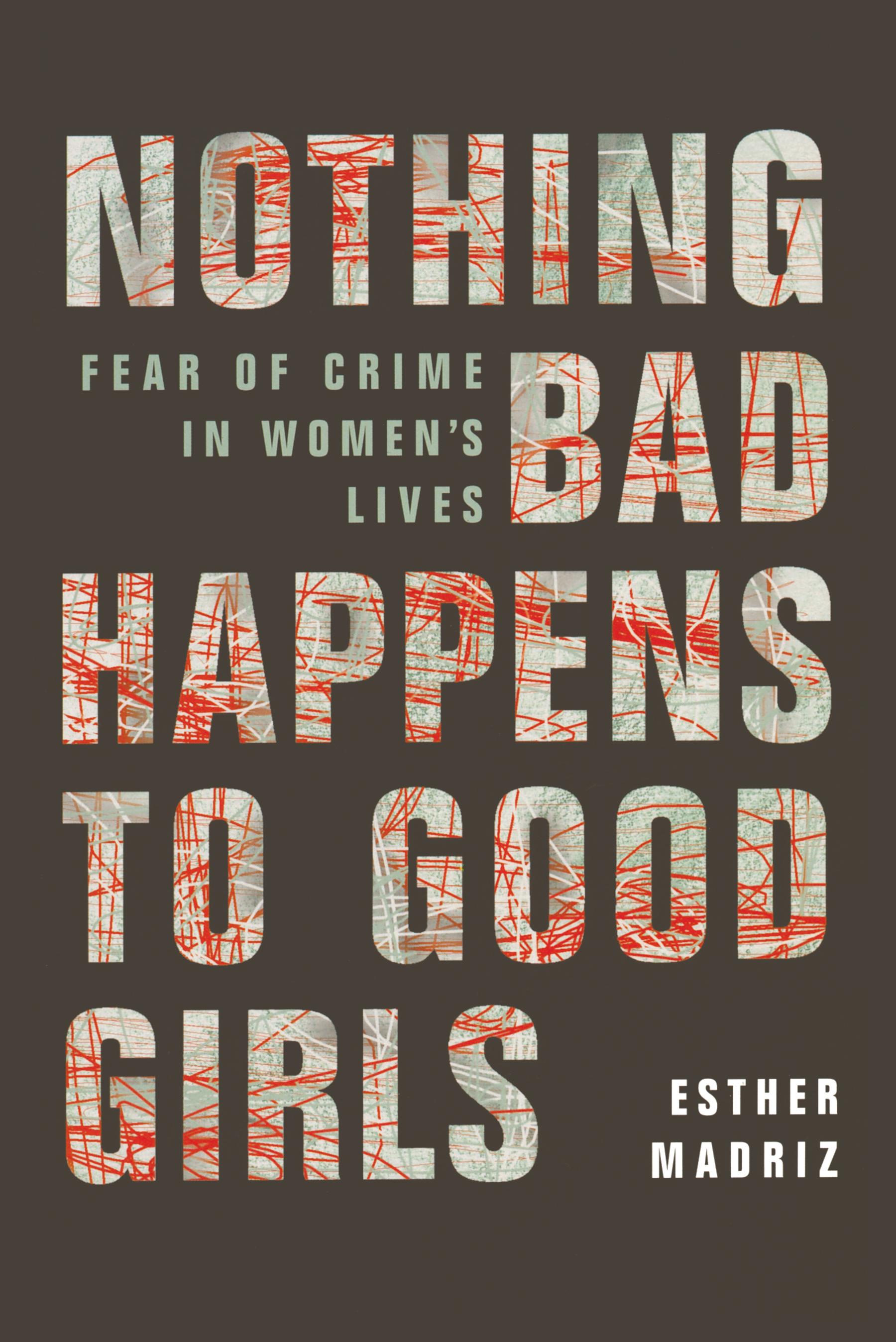
This is a compelling analysis of how women in the United States perceive the threat of crime in their everyday lives and how that perception controls their behavior. Esther Madriz draws on focus groups and in-depth interviews to show the damage that fear can wreak on women of different ages and socioeconomic backgrounds. Although anxiety about crime affects virtually every woman, Madriz shows that race and class position play a role in a woman's sense of vulnerability.
Fear of crime has resulted in public demand for stronger and more repressive policies throughout the country. As funds for social programs are cut, Madriz points out, those for more prisons and police are on the increase. She also illustrates how media images of victims—"good" victims aren't culpable, "bad" victims invite trouble—and a tough political stance toward criminals are linked to a general climate of economic uncertainty and conservatism.
Madriz argues that fear itself is a strong element in keeping women in subservient and self-limiting social positions. "Policing" themselves, they construct a restricted world that leads to positions of even greater subordination: Being a woman means being vulnerable. Considering the enormous attention given to crime today, including victims' rights and use of public funds, Madriz's informative study is especially timely.
"The possibility of being a victim of a crime is ever present on my mind; thinking about it as natural as breathing."—40-year-old woman
This is a compelling analysis of how women in the United States perceive the threat of crime in their everyd
This is a compelling analysis of how women in the United States perceive the threat of crime in their everyday lives and how that perception controls their behavior. Esther Madriz draws on focus groups and in-depth interviews to show the damage that fear can wreak on women of different ages and socioeconomic backgrounds. Although anxiety about crime affects virtually every woman, Madriz shows that race and class position play a role in a woman's sense of vulnerability.
Fear of crime has resulted in public demand for stronger and more repressive policies throughout the country. As funds for social programs are cut, Madriz points out, those for more prisons and police are on the increase. She also illustrates how media images of victims—"good" victims aren't culpable, "bad" victims invite trouble—and a tough political stance toward criminals are linked to a general climate of economic uncertainty and conservatism.
Madriz argues that fear itself is a strong element in keeping women in subservient and self-limiting social positions. "Policing" themselves, they construct a restricted world that leads to positions of even greater subordination: Being a woman means being vulnerable. Considering the enormous attention given to crime today, including victims' rights and use of public funds, Madriz's informative study is especially timely.
"The possibility of being a victim of a crime is ever present on my mind; thinking about it as natural as breathing."—40-year-old woman
This is a compelling analysis of how women in the United States perceive the threat of crime in their everyd
Payez facilement par carte, Klarna, Apple Pay ou Google Pay. Pas satisfait ? Vous avez toujours une garantie de remboursement de 14 jours. En savoir plus dans nos conditions. Si vous avez des questions, envoyez-nous un e-mail à hello@memmo.org.
Memmo facilite tes études, où que tu sois dans le monde. On rassemble tes manuels de cours et des outils d'étude intelligents au même endroit : résumés, quiz, podcasts et flashcards. Et il y a Ted, ton compagnon d'étude qui répond à toutes tes questions. Plus de 50 000 étudiants étudient déjà ici – conçu pour t'aider à apprendre plus vite et à moins stresser.
Tu pourrais aussi aimer
Acheter le livre0