
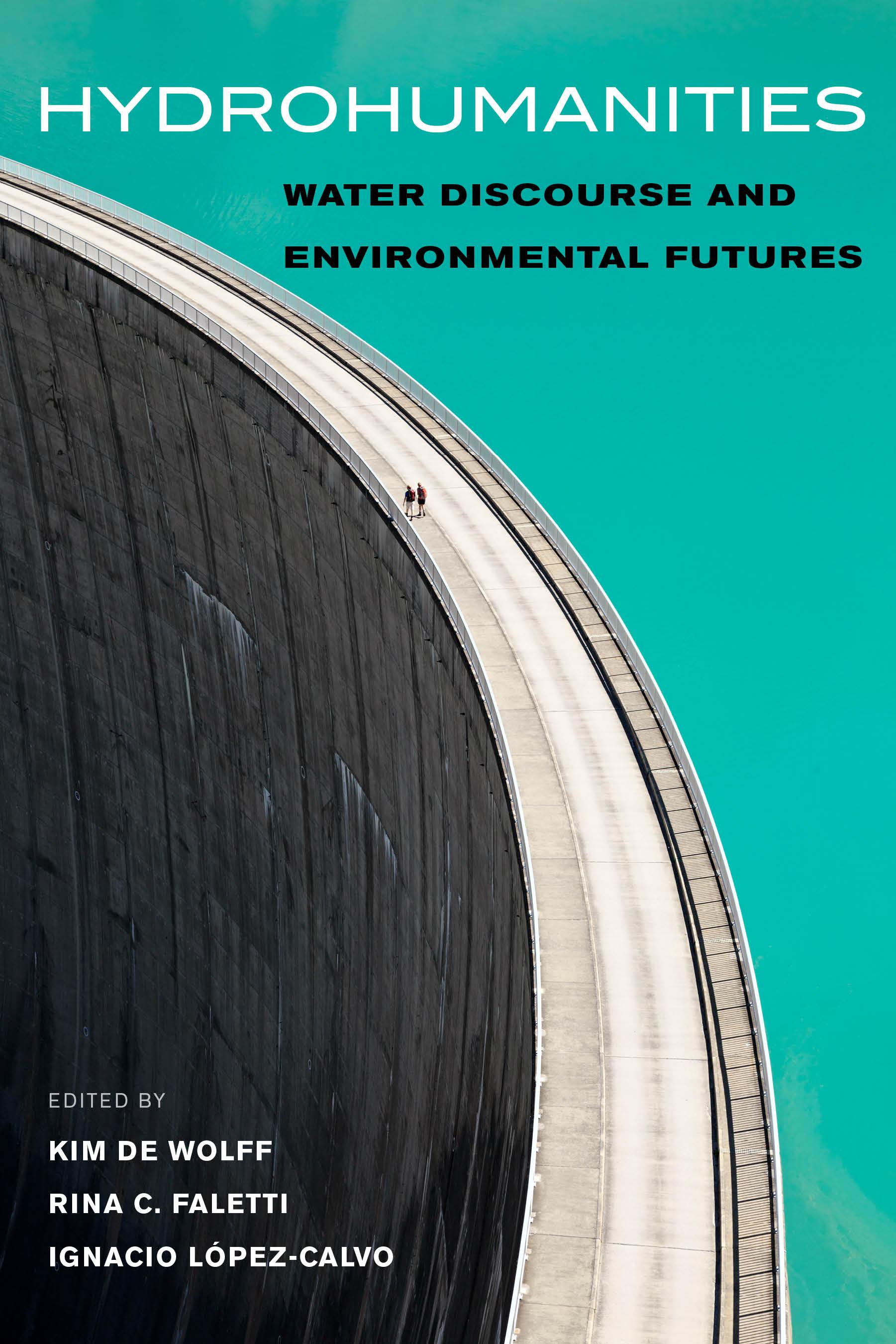
A free open access book is available upon publication. Learn more at www.luminosoa.org.
Discourse about water and power in the modern era have largely focused on human power over water: who gets to own and control a limited resource that has incredible economic potential. As a result, discussion of water, even in the humanities, has traditionally focused on fresh water for human use. Today, climate extremes from drought to flooding are forcing humanities scholars to reimagine water discourse.
This volume exemplifies how interdisciplinary cultural approaches can transform water conversations. The manuscript is organized into three emergent themes in water studies: agency of water, fluid identities, and cultural currencies. The first section deals with the properties of water and the ways in which water challenges human plans for control. The second section explores how water (or lack of it) shapes human collective and individual identities. The third engages notions of value and circulation to think about how water has been managed and employed for local, national, and international gains. Contributions come from preeminent as well as emerging voices across humanities fields including history, art history, philosophy, and science and technology studies. Part of a bigger goal for shaping the environmental humanities, the book broadens the concept of water to include not just water in oceans and rivers but also in pipes, ice floes, marshes, bottles, dams, and more. Each piece shows how humanities scholarship has world-changing potential to achieve more just water futures.
Discourse about water and power in the modern era have largely focused on human power over water: who gets to own and control a limited resource that has incredible economic potential. As a result, discussion of water, even in the humanities, has traditionally focused on fresh water for human use. Today, climate extremes from drought to flooding are forcing humanities scholars to reimagine water discourse.
This volume exemplifies how interdisciplinary cultural approaches can transform water conversations. The manuscript is organized into three emergent themes in water studies: agency of water, fluid identities, and cultural currencies. The first section deals with the properties of water and the ways in which water challenges human plans for control. The second section explores how water (or lack of it) shapes human collective and individual identities. The third engages notions of value and circulation to think about how water has been managed and employed for local, national, and international gains. Contributions come from preeminent as well as emerging voices across humanities fields including history, art history, philosophy, and science and technology studies. Part of a bigger goal for shaping the environmental humanities, the book broadens the concept of water to include not just water in oceans and rivers but also in pipes, ice floes, marshes, bottles, dams, and more. Each piece shows how humanities scholarship has world-changing potential to achieve more just water futures.
Payez facilement par carte, Klarna, Apple Pay ou Google Pay. Pas satisfait ? Vous avez toujours une garantie de remboursement de 14 jours. En savoir plus dans nos conditions. Si vous avez des questions, envoyez-nous un e-mail à hello@memmo.org.
Memmo facilite tes études, où que tu sois dans le monde. On rassemble tes manuels de cours et des outils d'étude intelligents au même endroit : résumés, quiz, podcasts et flashcards. Et il y a Ted, ton compagnon d'étude qui répond à toutes tes questions. Plus de 50 000 étudiants étudient déjà ici – conçu pour t'aider à apprendre plus vite et à moins stresser.
Tu pourrais aussi aimer
Acheter le livre0