
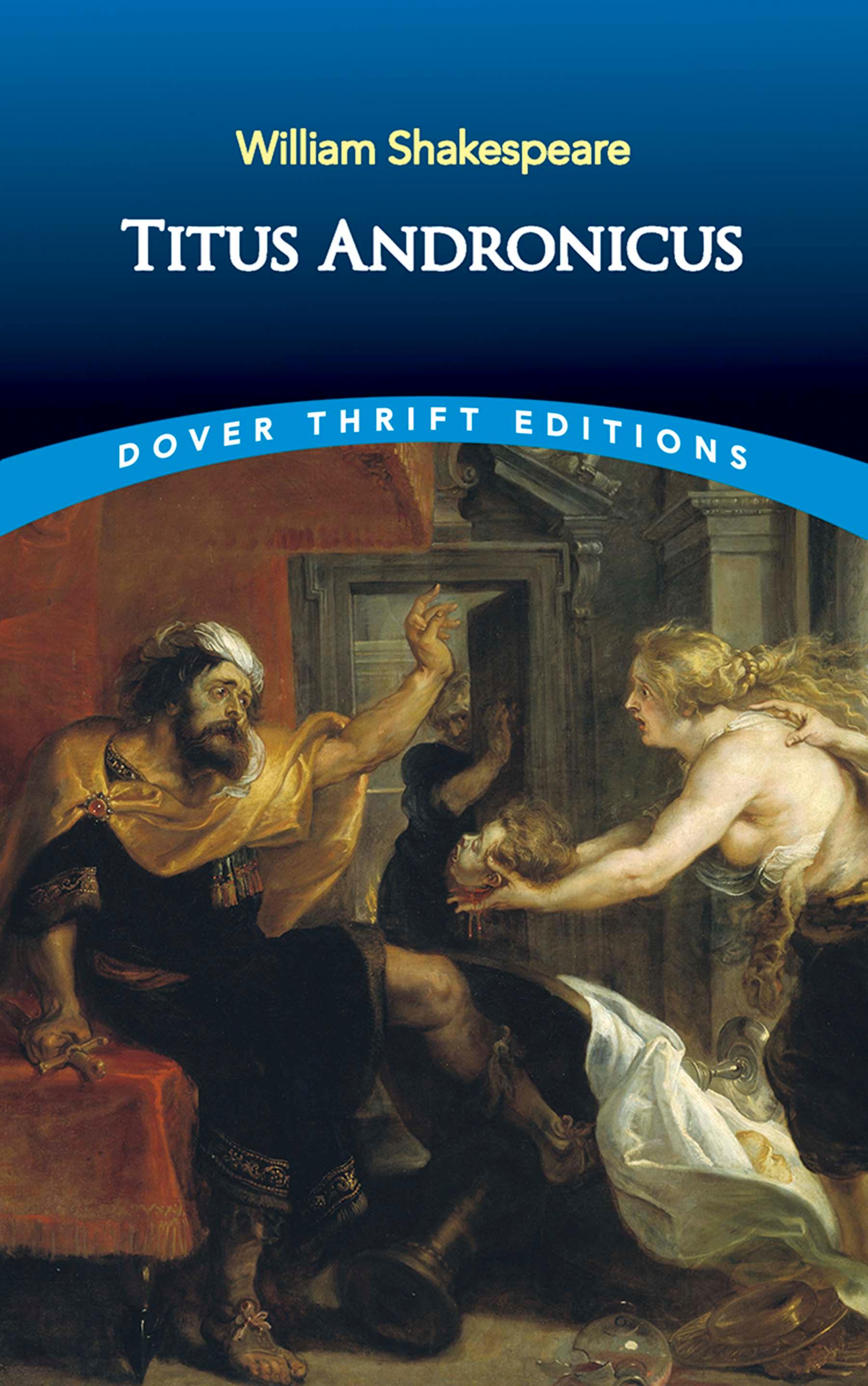
A triumphant general returns to Rome from a war against the Goths and descends into a vicious circle of revenge by refusing to show mercy to his conquered enemy. Blood begets more blood in Titus Andronicus, a fictional drama drawn from a tale by Ovid. Shakespeare styled this early play in the manner of a "revenge tragedy," a genre rooted in classical theater and enormously successful with Elizabethan audiences. Enacting grotesque incidents of rape, murder, and mutilation, this daringly experimental play explores the nature of justice and vengeance.
Critical judgment of the drama ranges from dismissal as a panderer's concession to a bloodthirsty mob to praise as a skillful treatment of theatrical violence that examines suffering through the experience of art. Shakespeare's memorable tragedy questions whether revenge is ever justifiable, and its analysis of moral and political issues ― betrayal, familial loyalties, sexual violence, nationalism, racism―remains ever relevant.
Payez facilement par carte, Klarna, Apple Pay ou Google Pay. Pas satisfait ? Vous avez toujours une garantie de remboursement de 14 jours. En savoir plus dans nos conditions. Si vous avez des questions, envoyez-nous un e-mail à hello@memmo.org.
Memmo facilite tes études, où que tu sois dans le monde. On rassemble tes manuels de cours et des outils d'étude intelligents au même endroit : résumés, quiz, podcasts et flashcards. Et il y a Ted, ton compagnon d'étude qui répond à toutes tes questions. Plus de 50 000 étudiants étudient déjà ici – conçu pour t'aider à apprendre plus vite et à moins stresser.