
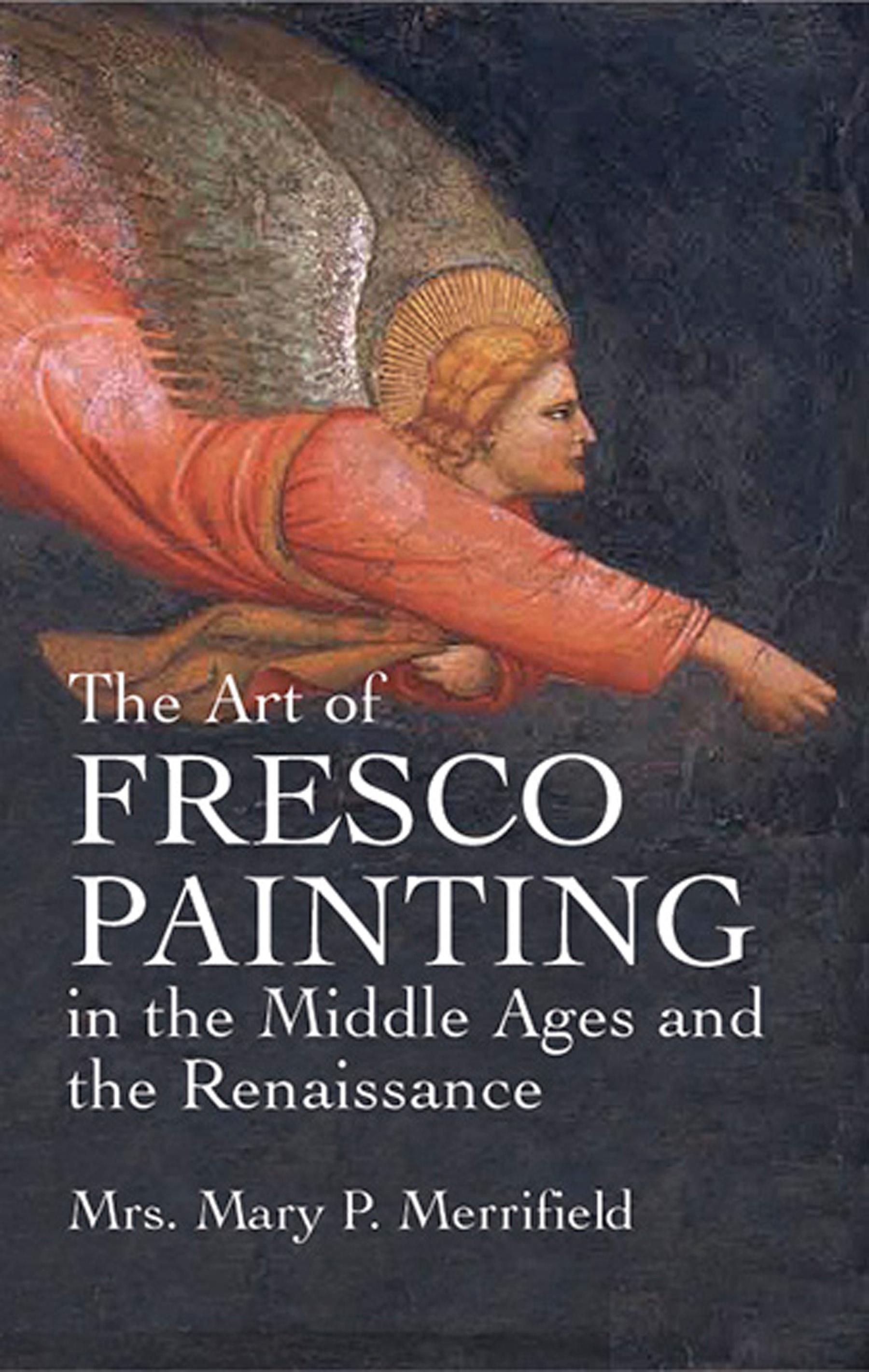
Known for its durability, a fresco painting is created in "sections" on freshly laid wet plaster, allowing the painter to comprehensively portray the subject and execute designs with ease. As both the paint and plaster dry, they become completely fused. Highly popular during the late-thirteenth to the mid-sixteenth centuries, fresco painting was almost a lost art by the time this book was first published in 1846. This volume, by a recognized authority in the field, was highly influential in reintroducing fresco painting to public attention.
In addition to translating descriptions of painting methods used by such masters as Alberti, Cennini, Vasari, Borghini, Pozzo, and Pacheco, the author also interprets passages from rare manuscripts on the causes of fresco destruction and how to retouch, repair, and clean these works of art.
Curators and art historians will find this classic reference work of immense importance and interest.
In addition to translating descriptions of painting methods used by such masters as Alberti, Cennini, Vasari, Borghini, Pozzo, and Pacheco, the author also interprets passages from rare manuscripts on the causes of fresco destruction and how to retouch, repair, and clean these works of art.
Curators and art historians will find this classic reference work of immense importance and interest.
Payez facilement par carte, Klarna, Apple Pay ou Google Pay. Pas satisfait ? Vous avez toujours une garantie de remboursement de 14 jours. En savoir plus dans nos conditions. Si vous avez des questions, envoyez-nous un e-mail à hello@memmo.org.
Memmo facilite tes études, où que tu sois dans le monde. On rassemble tes manuels de cours et des outils d'étude intelligents au même endroit : résumés, quiz, podcasts et flashcards. Et il y a Ted, ton compagnon d'étude qui répond à toutes tes questions. Plus de 50 000 étudiants étudient déjà ici – conçu pour t'aider à apprendre plus vite et à moins stresser.
Tu pourrais aussi aimer
Acheter le livre0