
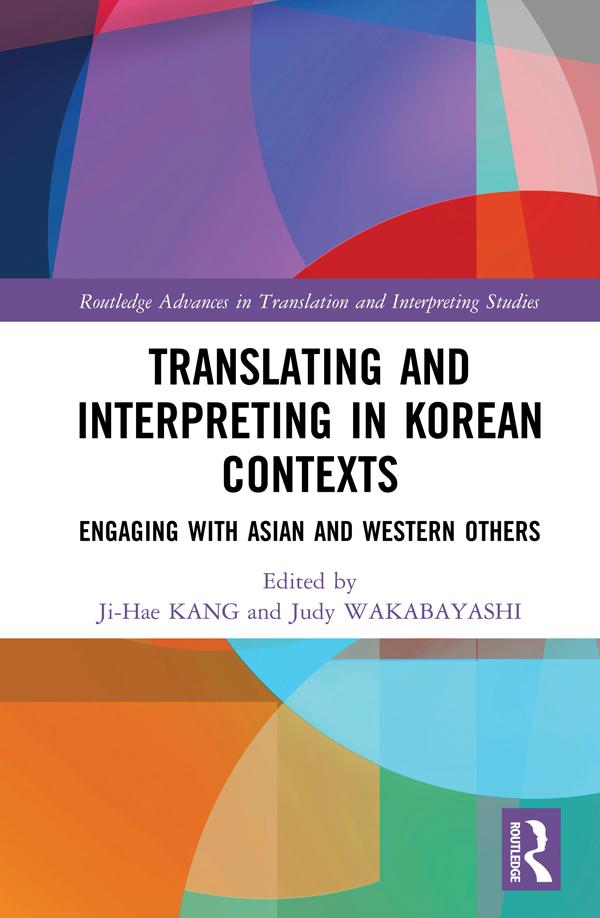
The focus of this volume is on how the people of the Korean Peninsula—historically an important part of the Sinocentric world in East Asia and today a vital economic and strategic site—have negotiated oral and written interactions with their Asian neighbors and Europeans in the past and present through the mediation of translators and interpreters.
These encounters have been shaped by political, social, and cultural factors, including the shared use of the Chinese writing system in East Asia for many centuries, attitudes toward other Asians and Westerners, and perceptions of Korean identity in relation to these Others. After exploring aspects of historical interactions, the volume addresses how the role and practice of translation and interpreting have recently evolved as a result of the development of digital technology, an increase in the number of immigrants, and changes in political and cultural dynamics in the region. It covers a range of historical and contemporary aspects, genres, and venues that extend beyond the common yet restrictive focus on literary translation and includes discussions of translator training and academic studies of translation and interpreting in Korea.
Payez facilement par carte, Klarna, Apple Pay ou Google Pay. Pas satisfait ? Vous avez toujours une garantie de remboursement de 14 jours. En savoir plus dans nos conditions. Si vous avez des questions, envoyez-nous un e-mail à hello@memmo.org.
Memmo facilite tes études, où que tu sois dans le monde. On rassemble tes manuels de cours et des outils d'étude intelligents au même endroit : résumés, quiz, podcasts et flashcards. Et il y a Ted, ton compagnon d'étude qui répond à toutes tes questions. Plus de 50 000 étudiants étudient déjà ici – conçu pour t'aider à apprendre plus vite et à moins stresser.