
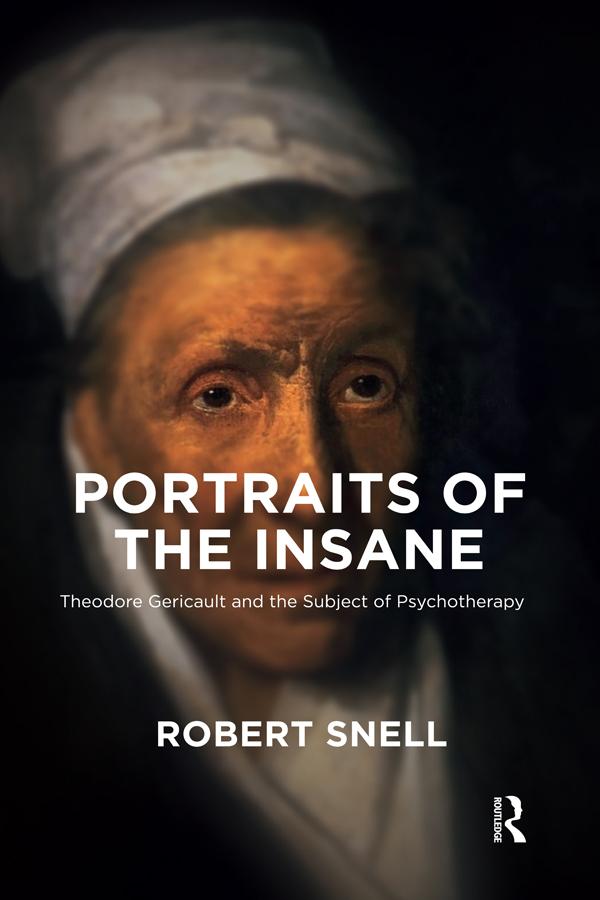
In the early 1820s, in the gloomy aftermath of the 1789 Revolution and the Napoleonic wars, the French Romantic painter Theodore Gericault (1791-1824) made five portraits of patients in an asylum or clinic. No depictions of madness before or since can compare with them for humanity, straightforwardness and immediacy. The portraits challenge us to find responses in ourselves to the face and the embodied mysteries of the other person, and to our own internal (unsconscious, disavowed) otherness: in this sense, Gericault was a "painter-analyst". The challenge could not be more urgent, in our world of suspicion of the stranger, and of the medicalisation of madness. The book sketches the history of this last process, from the Enlightenment through to the Revolution and its public health policies, to the birth of the asylum in its interface with the penal system. But there was also a new medico-philosophical conviction that the mad were never wholly mad, and their suffering and disturbance might best be addressed through relationship and speech.
Payez facilement par carte, Klarna, Apple Pay ou Google Pay. Pas satisfait ? Vous avez toujours une garantie de remboursement de 14 jours. En savoir plus dans nos conditions. Si vous avez des questions, envoyez-nous un e-mail à hello@memmo.org.
Memmo facilite tes études, où que tu sois dans le monde. On rassemble tes manuels de cours et des outils d'étude intelligents au même endroit : résumés, quiz, podcasts et flashcards. Et il y a Ted, ton compagnon d'étude qui répond à toutes tes questions. Plus de 50 000 étudiants étudient déjà ici – conçu pour t'aider à apprendre plus vite et à moins stresser.
Tu pourrais aussi aimer
Acheter le livre0