
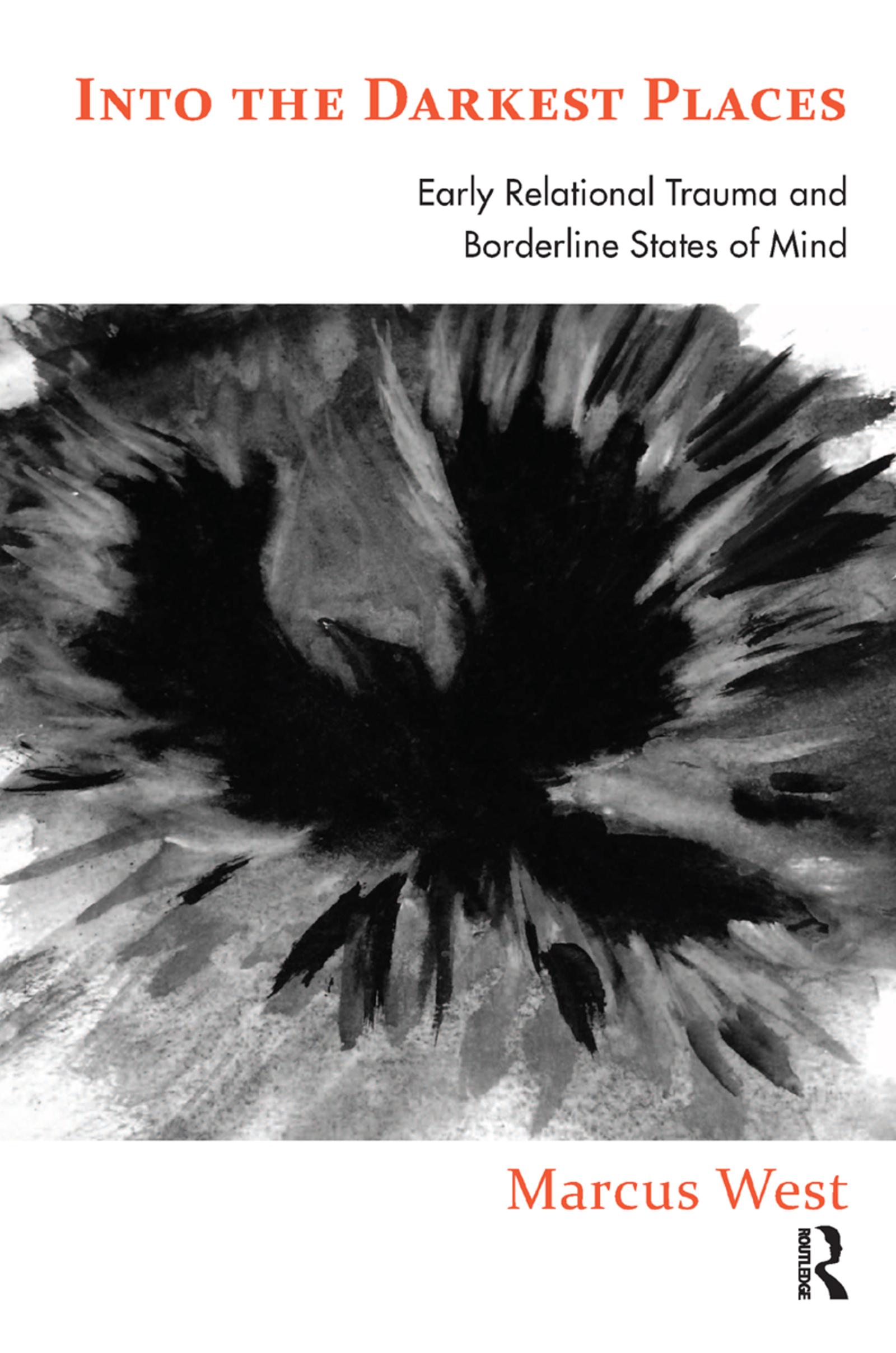
This book explores the roots of borderline states of mind in early relational trauma and shows how it is possible, and necessary, to visit 'the darkest places' in order to work through these traumas. This is despite the fact that re-experiencing such traumas is unbearable for the patient and they naturally want to enlist the analyst in ensuring that they will never be experienced again. This is the backdrop for the extreme pressures and roles that are constellated in the analysis that can lead to impasse or breakdown of the analytic relationship. The author explores how these areas can be negotiated safely and that, whilst drawing heavily on recent developments in attachment, relational, trauma and infant development theory, an analytic attitude needs to be maintained in order to integrate these experiences and allow the individual to feel, finally, accepted and whole. The book builds on Freud's views of repetition compulsion and re-enactment and develops Jung's concept of the traumatic complex.
Payez facilement par carte, Klarna, Apple Pay ou Google Pay. Pas satisfait ? Vous avez toujours une garantie de remboursement de 14 jours. En savoir plus dans nos conditions. Si vous avez des questions, envoyez-nous un e-mail à hello@memmo.org.
Memmo facilite tes études, où que tu sois dans le monde. On rassemble tes manuels de cours et des outils d'étude intelligents au même endroit : résumés, quiz, podcasts et flashcards. Et il y a Ted, ton compagnon d'étude qui répond à toutes tes questions. Plus de 50 000 étudiants étudient déjà ici – conçu pour t'aider à apprendre plus vite et à moins stresser.
Tu pourrais aussi aimer
Acheter le livre0