
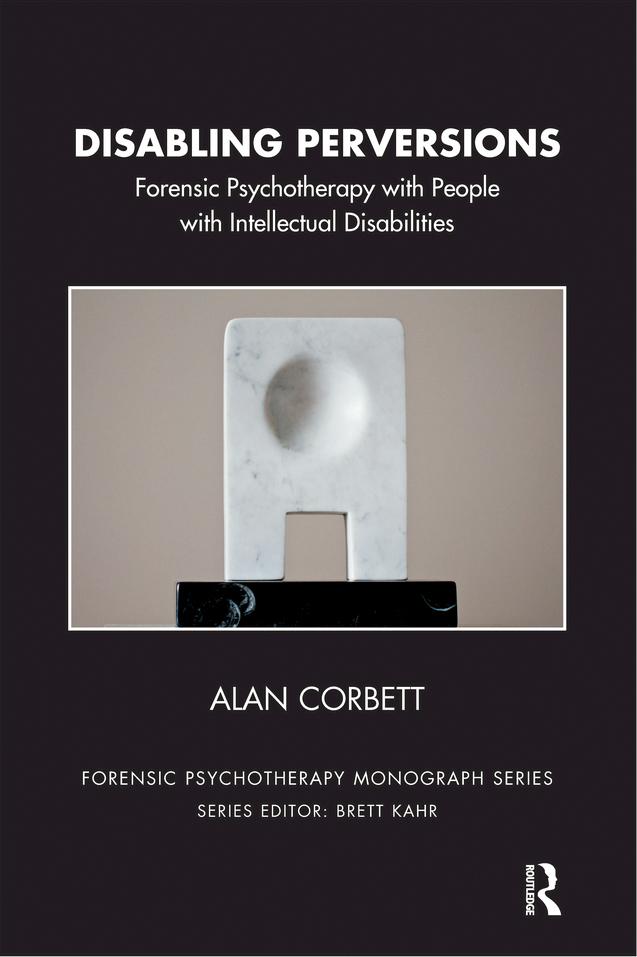
The book offers an overview of how to work with some of the most damaged members of society - children and adults with intellectual disabilities who abuse others. Drawing on insight from two decades of clinical work, the author examines how to assess risk and danger in the forensic disability patient, ways of working therapeutically with patients at all ends of the disability spectrum, and how to support members of the patient's network. Combining psychoanalytic, creative, forensic and systemic thinking, the book provides a template for assessing, managing, containing and treating those who present with multiple diagnoses, including cognitive and physical disabilities, mutism, psychiatric disorders and autism. Both group and individual approaches are examined. As our awareness of the incidence of forensic patients who also have disabilities increases, this work is a timely placing of the forensic disability patient onto the clinical agenda, and has a wide application, being of use to clinicians in the private consulting room, the community, the secure setting and the prison.
Payez facilement par carte, Klarna, Apple Pay ou Google Pay. Pas satisfait ? Vous avez toujours une garantie de remboursement de 14 jours. En savoir plus dans nos conditions. Si vous avez des questions, envoyez-nous un e-mail à hello@memmo.org.
Memmo facilite tes études, où que tu sois dans le monde. On rassemble tes manuels de cours et des outils d'étude intelligents au même endroit : résumés, quiz, podcasts et flashcards. Et il y a Ted, ton compagnon d'étude qui répond à toutes tes questions. Plus de 50 000 étudiants étudient déjà ici – conçu pour t'aider à apprendre plus vite et à moins stresser.
Tu pourrais aussi aimer
Acheter le livre0